
Walking is an extremely simple process, yet each step exerts pressure on the forefoot area. During walking and other activities, including running, the ball of the foot undergoes quite a bit of pressure. The problem may occur when the pressure results in pain in the forefoot area, making normal walking difficult.
The first step towards getting Forefoot Pain Relief is determining what causes the problem before attempting to relieve the pain. Possible causes include unsuitable shoes, physical activity, as well as medical conditions like metatarsalgia, Morton’s neuroma, joint issues or foot biomechanics changes.
What Causes Pain in the Forefoot?
Forefoot pain is a symptom, not a disease. There are a number of conditions that can result in pain, and this is one reason why it is important to know what type of pain is occurring.
- Metatarsalgia: Pressure applied to the joint found at the base of the toe can cause pain or a burning sensation in the ball of the foot.
- Morton’s Neuroma: Swelling or irritation of the nerve, which is mostly the nerve found between the toes, causes a burning sensation or sharp pain.
- Footwear: Shoes that have tight-fitting toe boxes, high-heeled footwear or ill-fitting shoes can lead to increased pressure on the forefoot area.
- Excessive activity: Sudden increase in activities such as walking or running will place additional strain on tissues.
- Joints: Arthritis, deformed toes and any alteration in foot mechanics.
It is much more important to understand the origin of the pain than to treat all pain the same.
How Footwear Affects Forefoot Pressure
Shoes play a part in how the pressure is exerted on the front foot, particularly when one is walking or exercising for long periods.
- Toe Box: Sufficient space will prevent the toes from being squashed.
- Heel Height: The higher the heel, the more pressure goes to the forefoot.
- Shock Absorption: Good shock absorption will lessen the effect of repeated impacts.
- Fit: One’s feet need to fit into shoes.
Good footwear could help in minimising forefoot pressure but will not solve all problems.
Recognising When Pain Needs Attention
The timing and character of symptoms can provide useful clues.
- Pain during walking or running may relate to repetitive loading.
- Burning, tingling or numbness can indicate nerve irritation.
- Localised pain could suggest excessive stress on a certain part of the foot.
- A lasting swelling or pain should be professionally evaluated.
- Pain that persists even after limiting activities causing pain should not be ignored.
For example, a runner who suddenly increases training distance may develop burning beneath the forefoot. The problem may involve training load, footwear or biomechanics rather than one isolated factor.
How Is Forefoot Pain Assessed?
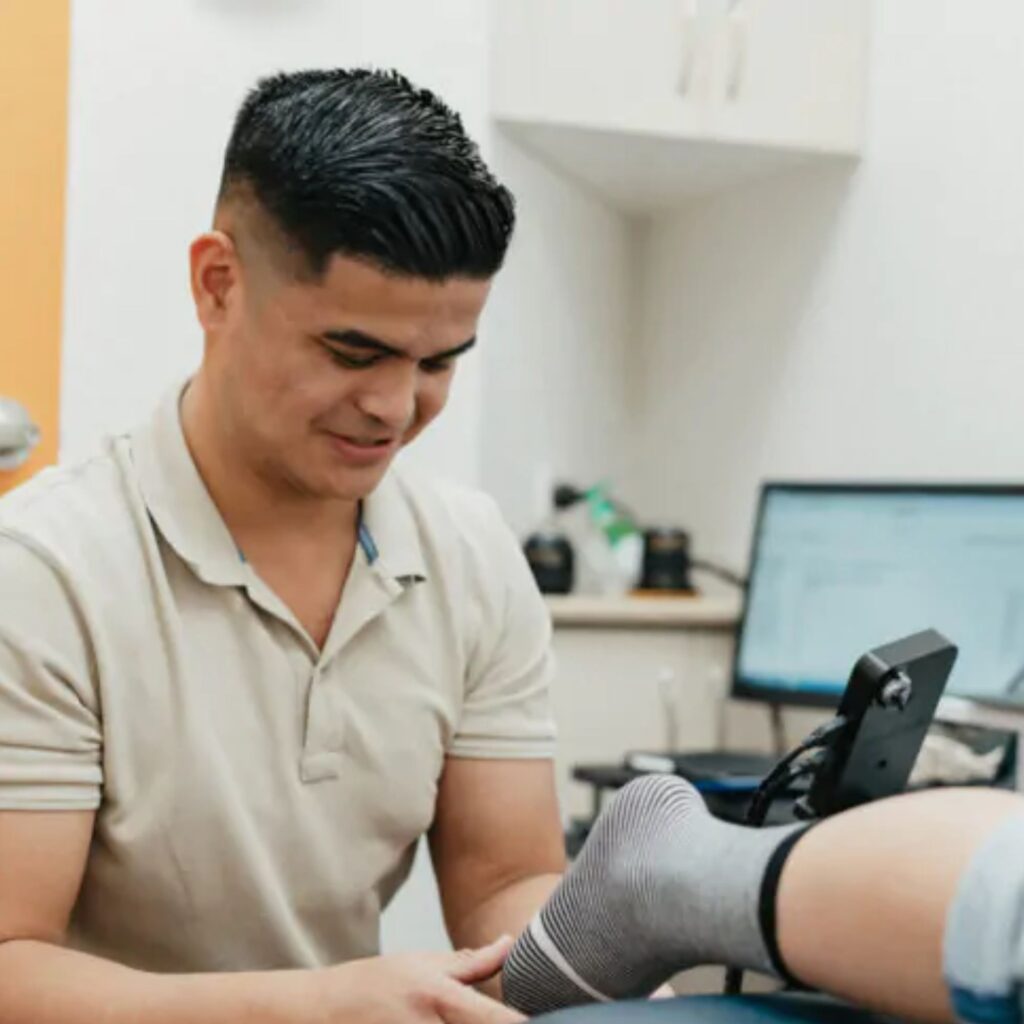
A Podiatrist Castle Hill may assess more than the painful area to understand how the foot functions.
- Medical history: When the symptoms started and what triggers them.
- Physical examination: Tenderness, mobility, swelling and sensitivity.
- Gait analysis: The mechanics of weight distribution in the foot during the gait.
- Footwear assessment: Shoes fitting, wear pattern and toe box space.
- Additional investigations: If necessary, imaging may be ordered.
A broader assessment can help to determine overload from disease.
Treatment Depends on the Cause
The treatment must be based on the cause of the condition as well as the demands made by the foot.
- Activity modifications: Activity restriction temporarily will aid in calming the irritated tissue.
- Footwear changes: Footwear modification to accommodate proper shoe fit and toe room may be helpful in decreasing the pressures.
- Orthotic therapy: When indicated, orthotics may be helpful in redistributing the pressures.
- Condition-specific therapy: Neurological and musculoskeletal conditions, among others, may call for other modalities.
A Podiatry Castle Hill assessment can help determine which combination is appropriate.
Everyday Habits That Support Recovery
Simple changes can complement professional treatment and reduce unnecessary loading.
- Gradually increase your exercise load.
- Wear appropriate shoes for your physical activity.
- Replace shoes if they are very worn out.
- Do not exercise through painful sensations.
Such actions can contribute to recovery without the risk of developing pain again.
When Should You Seek Professional Advice?
Forefoot pain that recurs frequently or persistently needs to be looked into, particularly when it affects movement, employment, or physical activity.
There may be benefit in seeing a Podiatrist Epping for the assessment of symptoms which do not resolve despite sensible modifications of shoes and activity. Similarly, Podiatry Epping may be useful for individuals who suffer from recurrent conditions due to sporting, working, or normal activities.
The examination by a professional does not always imply that the problem is severe but rather helps understand its causes.
Conclusion: Understanding the Cause Comes First
There are many causes of forefoot pain, including pressure, shoes, activity changes, nerves, joint issues, or biomechanical issues. Relief from discomfort that does not take into account what caused the condition will provide temporary relief at best.
Forefoot Pain Relief becomes much easier when treatment is properly aligned with the condition causing it and proper shoes, activities, and treatment are included in the process. This consideration can help ensure comfort and good foot function in the future.