

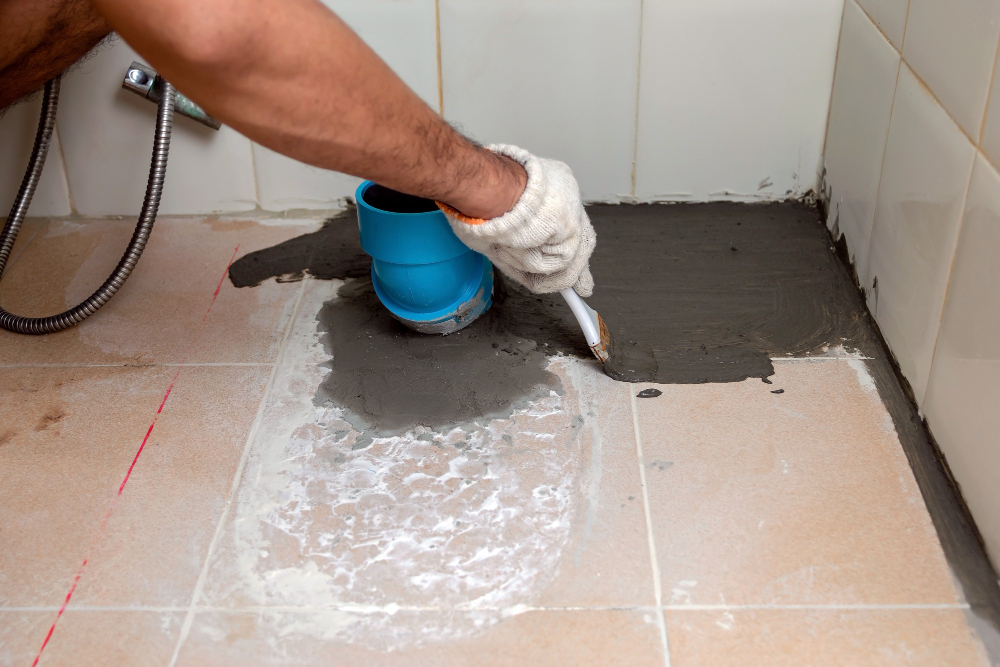
When the rainy days begin to pour, it can cause leakage to many homes across the country. So to help keep the interior of houses dry when the storms hit, waterproofing in the Philippines should always be done. This is the process of adding a special layer to your roof or walls to stop leaks from happening.
What is Waterproofing?
Waterproofing is making a building water-resistant to prevent any damages from seepage or leakage. Most people apply liquid membranes or rubber sheets to parts of the house that face the rain. These materials act like a raincoat for your concrete or wooden structures.
What are the Types of Waterproofing?
One popular type is the cementitious method which uses easy-to-mix powder and liquid. Typically, this is used for wet areas like toilets and water tanks. It’s a very simple way to add protection to your home surfaces.
What is a Liquid Membrane?
The liquid waterproofing membrane goes on like paint using a brush or a roller. This method is flexible and moves with the building as the temperature changes. It’s a favorite for simple protection in local apartments.
What is a Bituminous Coating?
Bituminous coating is a black, sticky substance used for underground surfaces. It works well on concrete foundations to stop water from seeping in from the soil. This material provides a thick layer of protection against constant moisture.
What are Bituminous Membranes?
Bituminous membranes come in big rolls that workers heat with a torch to stick onto your roof. This creates a very durable barrier that lasts for a long time. It’s a common choice for flat concrete roofs in larger buildings.
Why is Waterproofing Necessary?
Water damage can ruin your furniture and electrical wiring very fast. High moisture levels often lead to bad smells and dark spots on your ceiling. Adding a protective layer stops these problems from starting in the first place.
Why Start Before the Rainy Season?
Applying these materials requires dry weather so the chemicals can set properly. Starting early gives the products enough time to dry and harden before the first big typhoon. You can avoid the rush and get a better price by planning ahead.
Why Does Concrete Leak?
Concrete has tiny holes that allow rainwater to travel deep into your structural beams. When water hits the steel bars inside, the metal starts to rust and breaks the concrete. Regular maintenance helps you catch these issues before they become expensive.
How to Prepare Your Roof?
Firstly, clean the surface and remove all dirt or loose paint with a stiff brush. The new coating will not stick if there is dust or debris on the floor. You also need to fill all visible cracks with a sealant before you add the main layer.
How to Apply the Coating?
Start by applying a primer to the entire area to help the main product stick. Wait for the first layer to dry completely before adding a second one in a different direction. This cross-pattern method helps you cover every corner and edge of the space.
How to Check for Success?
You can perform a flood test by plugging the drains and filling the area with water. Let the water sit for a day to see if any leaks appear on the ceiling below. This test proves if your work is truly ready for the heavy rain.
How Much Do Materials Cost?
Prices for these materials usually range from five hundred to two thousand pesos per bucket. High-quality brands offer many options for different budgets in the market. The total cost will depend on the size of your roof area.
How to Fix Wall Seepage?
Wall seepage happens when driving rain hits the side of your home for many hours. You can apply a water-repellent spray to the exterior bricks or paint. This stops the walls from soaking up liquid like a sponge.
How to Protect the Bathroom?
As for bathroom floors, these need a strong seal to prevent water from dripping to the floor below. Apply the coating before the tiles are laid down by the mason. This keeps the subfloor dry and prevents tiles from popping off later.
How to Maintain the Barrier?
Your waterproofing performs best when checked regularly every few months. You should wash the surface yourself to prevent dust from blocking the drainage. Removing debris helps the water flow off the roof much faster.
How to Waterproof a Balcony?
Balconies are open to the sky and need a very durable walking surface. So use a product that can stand up to both rain and people constantly walking on it. Proper sloping towards the drain is also a requirement for these areas.
Key Takeaway
Keeping your home dry requires some effort and the right materials for the job. So if you want to protect your home during the stormy season, you’ll need effective waterproofing in the Philippines. Remember that with this little fix, your family stays safe and comfortable for many years.
