
Key Takeaways
- Because chicken is naturally leaner than beef, moisture control during mixing and cooking has a bigger impact on final texture than it does for other chapli kabob variations.
- Coarsely chopped onions, tomatoes, and green chilies release moisture as the patty cooks, which helps offset chicken’s tendency to dry out.
- Fresh coriander and cracked whole spices, rather than fine powders, contribute both aroma and the speckled texture associated with a properly made patty.
- Ground chicken with some fat content, rather than extra-lean mince, holds together better and produces a juicier result once cooked.
- Cooking over moderate, even heat rather than high heat prevents the exterior from crisping too fast while the center remains undercooked.
Ground chicken dishes often struggle with one consistent problem, which is dryness, and that challenge becomes especially clear in a chicken chapli kabob, where the flat, pan-fried shape leaves little room to hide an overcooked or under-seasoned patty. Unlike beef versions of this dish, chicken requires closer attention to fat content, moisture, and cooking time, since lean meat dries out far more easily under direct heat. Knowing what actually separates a well made version from a rushed one comes down to a handful of preparation details that affect texture and flavor from start to finish.
What Defines This Dish
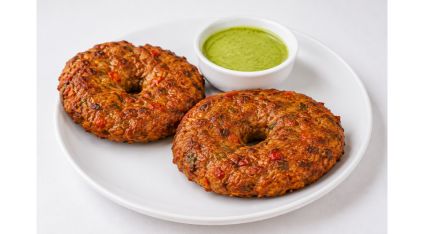
At its core, this is a flat, coarsely textured chicken patty seasoned with a blend of whole and ground spices, then pan-fried until the edges crisp while the center stays tender. Like other chapli kabob styles, the name refers to its broad, flattened shape, which is pressed by hand rather than formed in a mold.
What makes the chicken version distinct is how much preparation depends on managing moisture. Ground chicken has less natural fat than beef, so the mixture relies more heavily on chopped vegetables and controlled cooking time to stay juicy rather than on the meat’s own fat content alone.
Texture as a Defining Feature
Texture remains the clearest marker of quality here, just as it is with beef versions. A patty made from finely processed chicken tends to cook up dense and rubbery, since there’s little fat or vegetable moisture to keep it tender. Coarsely chopped ingredients and a light hand during mixing help preserve the loose, slightly uneven texture that defines the dish.
Ingredients That Shape the Flavor
Coriander seed, cumin, and dried red chili are typically left slightly cracked rather than fully ground, which adds visible texture and releases aroma differently once the patty hits hot oil. Because chicken has a milder base flavor than beef, these spices tend to come through more noticeably, which makes freshness and proportion especially important.
Fresh coriander leaves, green chilies, and finely chopped onion are usually folded in raw. Since chicken doesn’t carry the same richness as beef, these fresh ingredients play a larger role in building flavor rather than just balancing it.
How Fat Content Affects the Final Result
Ground chicken that includes thigh meat rather than only breast tends to produce a noticeably better result, since thigh meat carries more natural fat and stays moist through cooking. A mixture made entirely from lean breast meat is more prone to drying out, even when other ingredients are handled correctly.
Cooking Technique and Serving Style
This kabob is shallow-fried rather than skewered, which allows the signature crisp, uneven crust to form on both sides. Because chicken cooks faster than beef, heat control matters even more here, since high heat can finish the exterior before the center is fully cooked, while heat that’s too low can leave the crust pale and underdeveloped.
It’s usually served hot, straight from the pan, often with rice, salad, or naan. Because chicken cools and firms up faster than beef, timing between cooking and serving has a more noticeable effect on texture.
Expert Insights
Cooks who prepare this dish regularly tend to pay close attention to fat percentage in the ground chicken, since anything too lean risks a dry, crumbly result. Resting time before shaping the patties is also closely watched, since even brief resting allows the spices and vegetable moisture to distribute more evenly through the lean meat.
Pan temperature is another detail experienced cooks monitor closely, since chicken’s shorter cooking time leaves little margin for error compared to beef.
Industry Best Practices
Kitchens that prepare this dish consistently tend to follow a few practical standards. Sourcing ground chicken with a reasonable fat ratio, rather than the leanest option available, supports better texture. Fresh spice grinding helps preserve aroma that chicken’s milder flavor depends on more heavily than beef does. Consistent patty thickness ensures even cooking given chicken’s shorter safe cooking window. Proper food safety practices, including cooking chicken to a safe internal temperature and safe handling of raw ground poultry, are essential given how quickly poultry can harbor bacteria if mishandled.
Common Mistakes
One frequent mistake is using extra-lean ground chicken, which strips away the fat needed to keep the patty moist during cooking. Another is over-mixing the meat, which compacts the texture and removes the looseness that helps offset chicken’s tendency to dry out.
Cooking at too high a temperature is a particularly common issue with this dish, since chicken’s shorter cooking time means the exterior can burn before the interior finishes safely. On the ordering side, some diners expect the chicken version to taste identical to beef chapli kabob, when in practice the milder base flavor of chicken shifts the balance toward the spices and fresh herbs.
Buying Considerations
When deciding where to order this dish, a few factors are worth weighing. Moisture is one of the clearest indicators of preparation quality, since a dry, crumbly patty often signals overly lean meat or overcooking. Visible texture, meaning noticeable bits of onion, tomato, and cracked spice, suggests the mixture wasn’t over-processed. Portion size and accompaniments, such as rice, salad, or naan, can also affect overall value depending on what’s included.
Read More
Readers interested in how fat content affects texture in other ground meat preparations may also find our article on beef chapli kabob preparation useful.
Final Thoughts
Recognizing what makes this dish work comes down to understanding how moisture, fat content, and cooking time interact with lean ground chicken. At Kabob Boys, the dish is prepared with attention to these same details, served hot and made to order. Whether someone prefers chicken over beef or is simply curious about the difference, knowing what affects texture and flavor makes it easier to judge what’s on the plate.
FAQs
How is this different from the beef version?
Chicken is leaner than beef, so moisture control and fat content play a larger role in achieving a tender, juicy result.
Is it usually spicy?
Spice level depends on the amount of green chili and dried red chili used, and it can vary by kitchen.
What is it typically served with?
It’s commonly served with rice, fresh salad, and flatbread such as naan.
Why does chicken chapli kabob sometimes turn out dry?
Using overly lean ground chicken or cooking at too high a temperature are the most common causes of dryness.
Where can this dish be ordered in Frederick, MD?
In Frederick, MD, it’s available at Kabob Boys, prepared fresh and served hot as part of their kabob menu.