
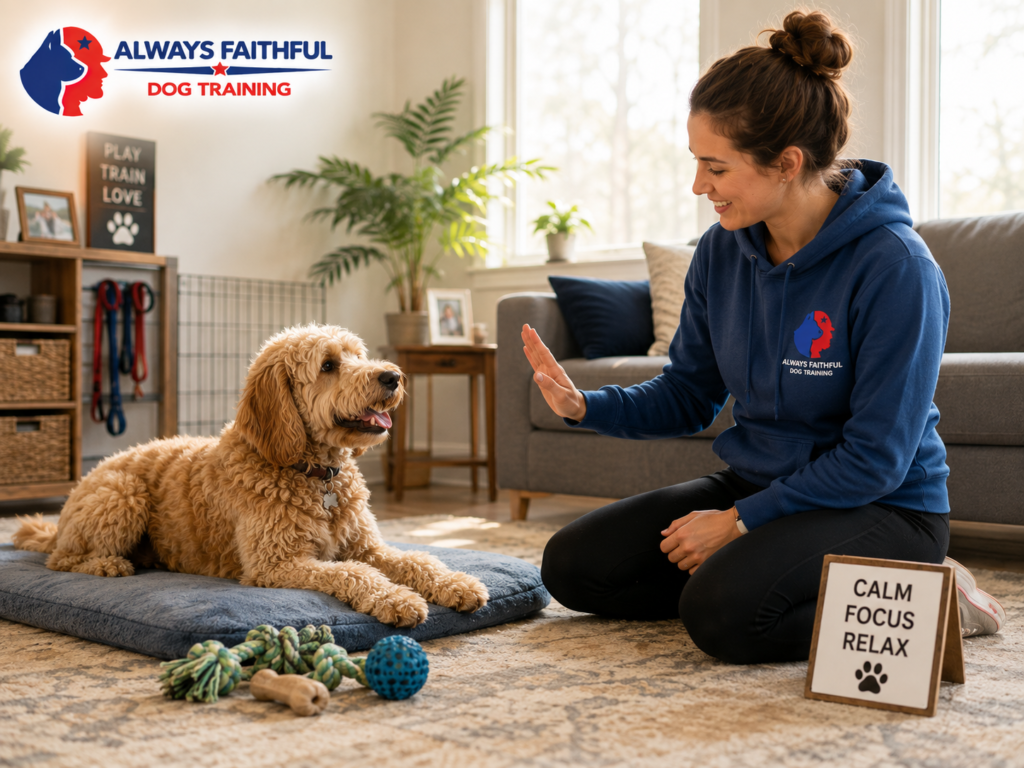
A walk often begins long before a dog reaches the front door. The process of bringing out a leash, putting on a collar or harness, attaching the clip, and preparing to leave can itself create excitement or resistance. A professional Dog Trainer can help owners turn this preparation into a calm routine by teaching dogs to stand still, accept equipment, and wait for the walk to begin. These small habits can make departures more organized while giving dogs a clearer understanding of what happens before outdoor activities.
Why Dogs Become Excited During Leash Preparation
Dogs quickly learn associations between objects and activities. If picking up a leash consistently means an exciting walk is coming, some dogs may immediately begin jumping, spinning, barking, or grabbing the leash.
The equipment becomes a signal that something enjoyable is about to happen.
Other dogs may have the opposite response. A harness may feel uncomfortable, a collar may be unfamiliar, or the sound of a metal clip may make the dog nervous.
Both reactions can create difficulties before the walk has even started.
Start With the Equipment Sitting Nearby
A dog does not need to wear the leash or harness during the first stage of practice.
Place the equipment in an ordinary area where the dog can see it without immediately connecting it with leaving the house. This allows the object to become less exciting or unusual.
The owner can calmly handle the equipment and put it away without starting a walk every time.
This breaks the automatic connection between seeing the leash and immediately becoming highly stimulated.
Teach the Dog to Approach the Equipment Calmly
Once the equipment is no longer an overwhelming novelty, owners can begin introducing a simple preparation routine.
The dog can be encouraged to remain in a controlled position while the owner brings the collar, harness, or leash closer. The objective is not to force the equipment onto the dog as quickly as possible.
Instead, the dog learns that remaining composed is part of the process.
Over time, the preparation itself can become predictable.
Introduce the Harness in Stages
Harnesses can involve several movements that some dogs initially dislike. Straps may pass around the body, buckles can make unfamiliar sounds, and the equipment may touch areas the dog is not accustomed to having handled.
Rather than putting the harness on immediately and expecting the dog to accept it, owners can introduce individual parts gradually.
The dog can first become comfortable seeing the harness. Then it can be brought near the body before eventually being worn for a short period.
Each stage should remain manageable.
Practice the Clip Separately
The sound of a leash clip can surprise a dog, particularly if it has never experienced it before.
Owners can allow the dog to hear the clip from a comfortable distance before attaching it. The process can then become progressively closer as the dog remains relaxed.
This is especially useful for dogs that startle easily.
A calm introduction can help prevent the equipment itself from becoming something the dog anticipates with tension.
Avoid Chasing a Dog With the Leash
Some dogs learn to turn leash preparation into a game of chase. They grab the leash, run away, and wait for the owner to follow.
Repeatedly chasing the dog can accidentally make this behavior rewarding.
Instead, owners can reduce excitement around the equipment and create a consistent preparation routine. The leash should remain a tool for walking rather than becoming a toy.
If the dog repeatedly grabs equipment, the owner may need to revisit basic impulse-control work separately.
Make Standing Still Part of Preparation
A dog does not need to perform a complicated command before every walk, but learning to remain relatively still while equipment is attached can be extremely practical.
Owners can begin with only a few seconds of stationary behavior.
Once the dog becomes comfortable, the duration can gradually increase. The same expectation can eventually apply while adjusting the harness, checking the collar, or attaching the leash.
This creates a smoother transition between indoor activity and outdoor walking.
Separate Equipment From the Door
For highly excited dogs, putting on the leash directly beside the front door may combine several triggers at once.
The leash, the door, outdoor sounds, movement, and anticipation of the walk can all raise the dog’s excitement simultaneously.
Moving the preparation process to a calmer location can make it easier for the dog to focus.
Once the dog becomes reliable, preparation can gradually move closer to the normal departure area.
Wait Before Starting the Walk
One of the most useful parts of the routine is the moment immediately before leaving.
The leash being attached does not have to mean the door opens instantly. A brief pause can give the dog an opportunity to settle before transitioning outside.
This can help create a distinction between preparation and movement.
The walk begins because the owner initiates it, rather than because the dog becomes increasingly frantic as soon as the leash appears.
Consider the Dog’s Individual Equipment Needs
Not every dog is comfortable with the same type of equipment. Size, body shape, coat, movement patterns, and previous experiences can all affect how a dog responds.
An improperly fitted harness can rub against the body or restrict movement. A collar that is too loose or too tight can also create problems.
Owners should make sure equipment is appropriate and correctly fitted rather than assuming resistance is always a behavioral issue.
Use Short Practice Sessions
Leash preparation does not need to be practiced for long periods.
A few minutes of calmly approaching the equipment, standing while it is handled, or wearing the harness indoors may be enough for one session.
Short sessions allow owners to stop before frustration builds.
As the dog becomes more comfortable, the routine can gradually become part of normal daily life.
Practice When You Are Not Going for a Walk
This is an important distinction for dogs that become extremely excited about going outside.
If the leash is only brought out when a walk is about to happen, the object can become an extremely powerful predictor of outdoor activity.
Occasionally practicing the preparation routine without immediately leaving can reduce that intensity.
The dog learns that seeing the equipment does not always mean the next few seconds will involve rushing toward the door.
What to Do if the Dog Refuses the Harness
A dog that backs away, freezes, growls, or repeatedly tries to escape when a harness is introduced should not simply be forced into it.
Resistance can indicate fear, discomfort, poor fit, or a previous unpleasant association.
For owners researching Dog training Near me, this is one situation where individualized professional guidance can be useful. A trainer can observe the dog’s response and help determine whether the problem involves equipment, handling, excitement, or anxiety.
If physical discomfort is suspected, the equipment itself should also be evaluated.
Build a Consistent Departure Sequence
Dogs often benefit from predictable routines. Owners can establish a sequence such as preparing the equipment, calmly fitting it, checking the connection, waiting briefly, and then moving toward the door.
The exact sequence can vary by household.
What matters is that the same general process occurs repeatedly.
Predictability can reduce confusion and help the dog understand that calm preparation is simply part of getting ready for an outing.
Apply the Skill to Different Equipment
Once a dog accepts one type of leash or harness comfortably, owners can gradually introduce other appropriate equipment.
This can be useful because dogs may encounter different collars, harnesses, or leashes throughout their lives.
The dog should not be expected to instantly accept every new item simply because it understands one familiar piece of equipment.
New equipment should be introduced with the same patient process.
Keep Walk Preparation Calm for the Whole Household
Family behavior can strongly influence the dog’s excitement. If everyone becomes loud, rushes toward the door, or repeatedly talks to the dog before leaving, the preparation period can become chaotic.
A calmer household routine can make the dog’s job easier.
Children should also understand that they should not pull on the leash or interfere with the equipment while an adult is preparing the dog.
Clear roles make departures safer and more predictable.
Turning Preparation Into a Reliable Habit
The ultimate goal is not to make leash preparation completely emotionless. Dogs are naturally excited about activities they enjoy.
The goal is to give that excitement structure.
A dog can look forward to a walk while still allowing an owner to put on the equipment without jumping, grabbing, spinning, or running away.
When preparation becomes predictable, the dog has a clearer opportunity to practice patience before the exciting part of the outing begins.
Final Thoughts
Walking skills begin before the first step outside. Teaching a dog to calmly accept a collar or harness, allow the leash to be attached, remain still during preparation, and wait before leaving can create a more organized foundation for everyday outings.
For owners searching Dog training Near me, practical training should include the small routines that influence a dog’s behavior throughout the day, not only what happens during a formal walk. A knowledgeable Dog Trainer can help identify why a dog struggles with leash preparation and develop appropriate steps for improvement, while consistent practice at home can turn the entire process into a calm and predictable part of the dog’s routine.