
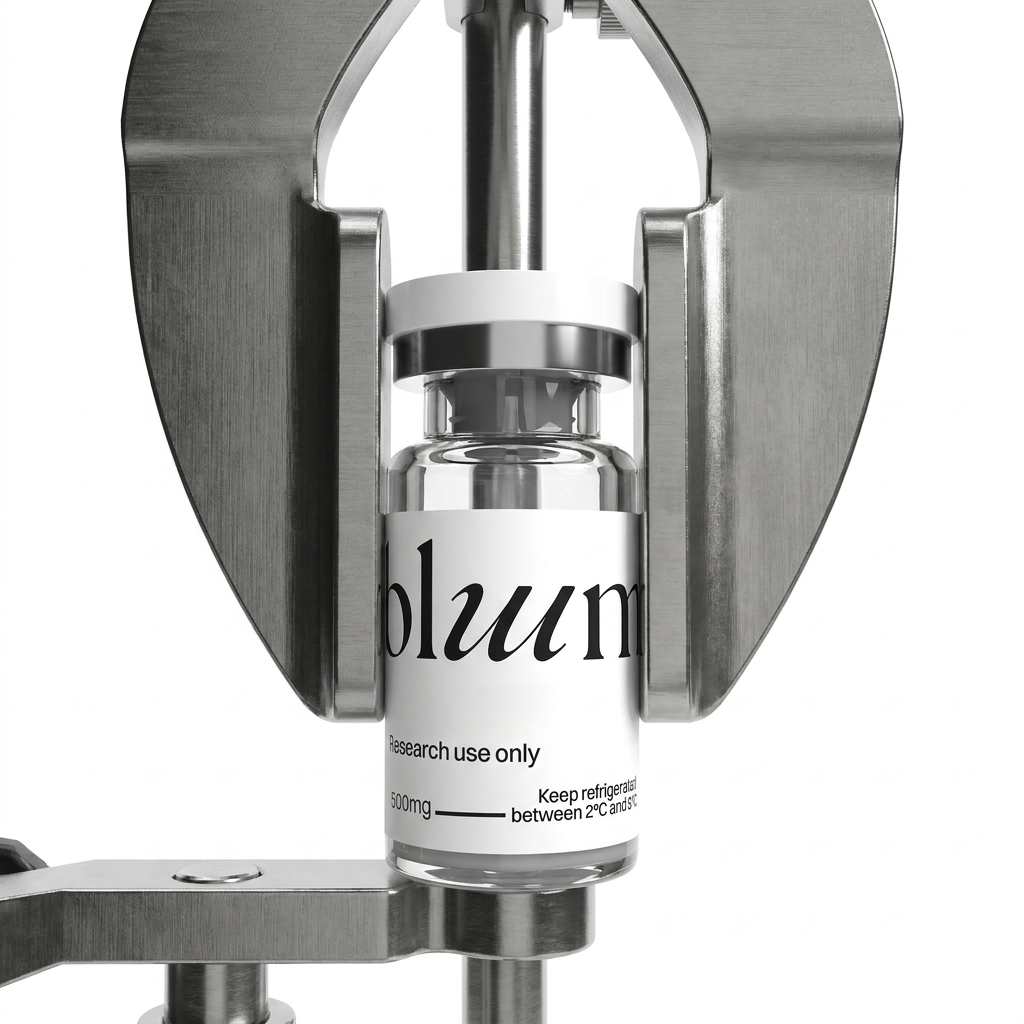
The snap 8 peptide is a synthetic cosmetic peptide that has gained attention for its proposed role in improving the appearance of expression lines and wrinkles. Also known as acetyl octapeptide-3, it is used in some skincare formulations designed to support smoother-looking skin. Interest in this ingredient comes from its relationship to research on cellular signaling and the mechanisms involved in facial expressions. However, understanding what the peptide may offer requires separating scientific evidence from promotional claims and recognizing the limitations of current research.
For beginners exploring peptide-based skincare, it is important to understand the ingredient’s identity, proposed mechanism, potential applications, and quality considerations. SNAP-8 is not the same as every other cosmetic peptide, and its results should not be assumed to match those of medical procedures or better-studied skincare ingredients. The phrase klow peptide may also appear in peptide-related searches, but it refers to a different type of product discussion. Understanding these distinctions helps readers evaluate information more accurately.
What Is the SNAP 8 Peptide?
SNAP-8 is a synthetic peptide made from eight amino acids arranged in a specific sequence. Its cosmetic ingredient name is acetyl octapeptide-3, and it is commonly included in topical skincare products marketed for the appearance of expression lines. Researchers have examined its proposed relationship to the cellular machinery involved in neurotransmitter release. Nevertheless, a scientifically defined structure does not automatically prove that an ingredient produces a measurable cosmetic improvement.
SNAP-8 is often compared with acetyl hexapeptide-8, commonly known as Argireline. Both belong to a category of cosmetic peptides discussed in relation to expression lines, but they are not identical compounds. Snap 8 peptide has a longer amino acid sequence, yet this structural difference does not prove that it is more effective. Reliable comparisons require appropriate studies that evaluate both ingredients under comparable conditions.
It is also important to distinguish a cosmetic ingredient from a medical treatment. SNAP-8 is marketed primarily for topical cosmetic use rather than as an approved medicine for treating a health condition. A skincare product containing this peptide should not be assumed to provide effects equivalent to injectable treatments or other medical procedures. Understanding its intended purpose helps establish realistic expectations before evaluating specific product claims.
How Does the SNAP 8 Peptide Work?
SNAP-8 is designed around a proposed relationship to SNAP-25, a protein involved in the cellular machinery responsible for neurotransmitter release. This process helps nerve cells communicate with other cells, including those involved in muscle activity. The peptide’s design has led to interest in whether it may influence processes associated with expression lines. However, a proposed mechanism does not establish that a topical product reaches the relevant tissues at concentrations sufficient to produce a meaningful effect.
The skin acts as a protective barrier, and the ability of a peptide to penetrate it depends on several factors. These include molecular characteristics, the surrounding formulation, product stability, and the delivery system. Evidence about another cosmetic peptide cannot automatically establish how SNAP-8 behaves when applied to the skin. Research must evaluate the specific ingredient and formulation to determine whether the proposed mechanism translates into a measurable cosmetic outcome.
For beginners, the key distinction is between scientific plausibility and demonstrated effectiveness. A mechanism can provide a reasonable basis for further investigation, but it is not proof that a product will reduce wrinkles. Claims should be assessed according to the quality of the studies supporting them, including whether the research was independently conducted and whether the results have been replicated. This approach helps prevent scientific terminology from being mistaken for a guarantee of results.
Potential Benefits and Cosmetic Uses
The main proposed benefit of SNAP-8 is improving the appearance of expression lines, including those that become more noticeable around the forehead and eyes. Some cosmetic products use the ingredient in serums, creams, or other topical formulations designed for mature-looking skin. However, independent clinical evidence for SNAP-8 on its own remains limited. Results may also depend on the complete formula, so benefits reported for a finished product cannot automatically be attributed to this single peptide.
Another potential application is its inclusion in skincare products formulated to improve the overall appearance and feel of the skin. These products may contain moisturizing agents and other cosmetic ingredients alongside SNAP-8. Hydration can temporarily make fine lines appear less noticeable, but that effect does not prove that SNAP-8 itself caused the improvement. Evaluating a product requires considering its full ingredient list, formulation quality, and the evidence supporting the specific claims made about it.
SNAP-8 is sometimes promoted as a topical alternative to botulinum toxin injections. Such comparisons should be treated cautiously because the products differ in how they are delivered and in the strength of evidence supporting their effects. There is insufficient independent evidence to conclude that topical SNAP-8 provides results equivalent to injectable medical treatments. A more balanced expectation is to view it as a cosmetic ingredient with a proposed mechanism and limited evidence, rather than as a proven substitute for medical procedures.
What Does Scientific Research Say?
Research on SNAP-8 includes discussions of its proposed mechanism and studies of cosmetic formulations containing the ingredient. However, the independent clinical evidence for SNAP-8 used alone is very limited. Some human studies have evaluated multi-ingredient skincare or microneedle products containing SNAP-8 alongside other active ingredients. When several ingredients are tested together, it becomes difficult to determine how much each one contributes to any observed improvement.
Claims about particular wrinkle-reduction percentages should be interpreted according to their source and methodology. Figures circulated in cosmetic marketing may come from supplier testing or technical materials that have not been independently replicated in peer-reviewed research. Such information can provide background about how an ingredient is marketed, but it should not be treated as conclusive evidence. Stronger conclusions require transparent study methods, appropriate controls, and independent confirmation.
A careful reader should also distinguish research on SNAP-8 from research on related peptides such as Argireline. Evidence for one compound may help explain why scientists are interested in the broader category, but it cannot prove that another compound has the same effect. Overall, SNAP-8 remains an ingredient of cosmetic interest, with important questions about its independent effectiveness and skin delivery still unresolved. Clear acknowledgment of these limitations is essential for an evidence-based assessment.
SNAP 8 Peptide and Klow Peptide: Understanding the Difference
The term klow peptide generally refers to a commercially marketed peptide blend, commonly described as containing GHK-Cu, BPC-157, TB-500, and KPV. The exact ingredients and proportions may vary between suppliers, so the name alone does not guarantee a standardized formulation. This differs from SNAP-8, which is a specific synthetic cosmetic peptide associated with topical skincare. The two should not be treated as interchangeable simply because both appear in peptide-related discussions.
Their research contexts also differ. SNAP-8 is primarily marketed for cosmetic applications involving the appearance of expression lines, whereas KLOW products are commonly promoted as multi-ingredient research blends. Evidence concerning one ingredient in a KLOW formula does not establish the effectiveness of the complete mixture, just as research on SNAP-8 cannot establish the effects of a different blend. Each product requires separate evaluation based on its identity, formulation, intended use, and supporting evidence.
Understanding this distinction is useful when reviewing online articles, product descriptions, and scientific discussions. Commercial labels may sound similar or appear within the same search results without representing the same type of substance. Readers should confirm the ingredient names and avoid drawing conclusions from broad terms such as peptide, research-grade, or advanced formula. Accurate identification is the first step toward a meaningful comparison.
Product Quality, Safety, and Choosing Reliable Information
When evaluating SNAP-8 skincare products, review the ingredient list, manufacturer information, and evidence supporting the advertised claims. Reliable product documentation should clearly identify the ingredient and provide relevant quality information. A Certificate of Analysis may offer details about a tested material, but its value depends on the methods used and whether the report corresponds to the relevant batch. A certificate alone cannot prove that a finished skincare product delivers a particular cosmetic result.
Skin tolerance is another consideration. Cosmetic formulations may cause irritation or sensitivity depending on the other ingredients and an individual’s skin characteristics. Follow the product’s intended directions and discontinue use if persistent irritation occurs. People with ongoing skin concerns or a history of significant reactions may benefit from advice from a qualified healthcare professional or dermatologist before trying a new product.
Finally, be cautious about claims that promise dramatic or guaranteed results. Supplier statements and testimonials do not carry the same evidentiary weight as well-designed, independently reviewed research. Research-grade materials should not be assumed suitable for personal use, and cosmetic peptides should not be used as injectable treatments. Responsible product selection involves realistic expectations, transparent documentation, and a clear understanding of what current evidence can and cannot establish.
Conclusion
The snap 8 peptide, also known as acetyl octapeptide-3, is a synthetic cosmetic ingredient marketed for the appearance of expression lines and wrinkles. Its proposed relationship to cellular signaling provides a basis for scientific interest, but independent evidence supporting its effectiveness on its own remains limited. The performance of a finished skincare product depends on its overall formulation, and results from multi-ingredient products cannot automatically be attributed to SNAP-8.
The term klow peptide refers to a different category of product, generally a multi-peptide blend rather than one specific cosmetic ingredient. Keeping these products distinct helps readers interpret claims accurately and avoid confusing their compositions or research applications. For both, product descriptions should be evaluated against reliable documentation and evidence that directly addresses the formulation in question.
Ultimately, the best approach for beginners is to understand the ingredient, question exaggerated promises, and recognize the limits of current research. SNAP-8 may be worth understanding as part of the wider field of cosmetic peptide development, but its proposed benefits should not be treated as guaranteed outcomes. Informed decisions depend on transparent product information, realistic expectations, and a careful distinction between scientific possibilities and established evidence.