
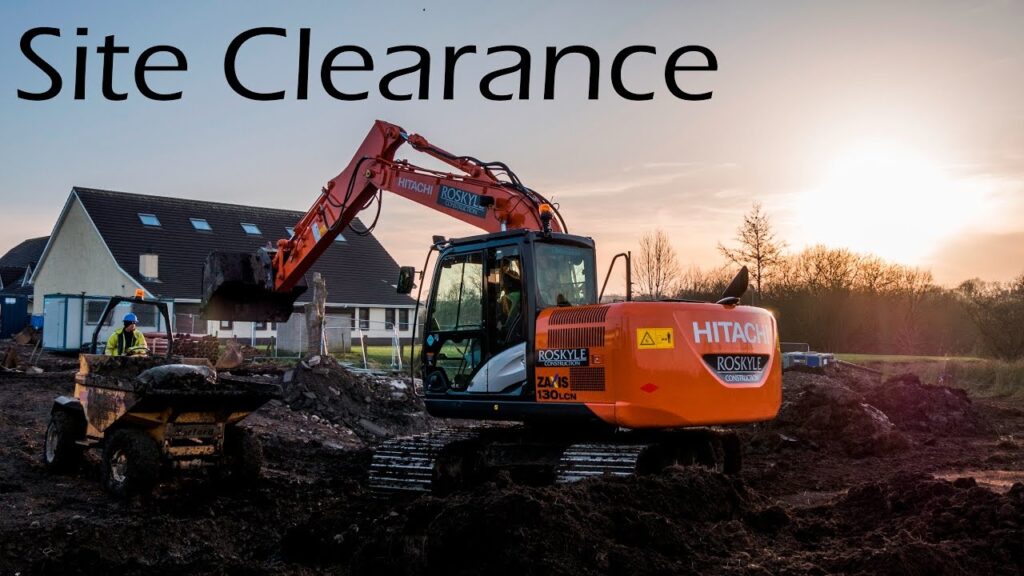
Site clearance is an essential part of preparing land and properties for construction, renovation, landscaping, and redevelopment. Whether a project involves building a new home, extending a commercial property, or transforming unused land into a functional space, proper clearance helps create a safe and organised working environment.
Removing unwanted materials, vegetation, rubble, and general waste allows construction teams to begin their work efficiently and reduces the risk of delays.
For property owners, builders, developers, and contractors, choosing reliable site clearance Leeds services can make a significant difference to project planning and overall productivity. Professional clearance solutions help ensure that sites are prepared according to project requirements while supporting responsible waste management practices. From small residential gardens to large commercial developments, an organised approach to site preparation creates a strong foundation for successful construction.
Understanding the Importance of Site Clearance
Site clearance involves removing unwanted materials and obstacles from a designated area before construction or other development work begins. Depending on the condition of the site, this process may include clearing vegetation, removing rubbish, collecting construction debris, shifting soil, and disposing of unwanted materials.
Without proper clearance, construction workers may face difficulties accessing the site, moving equipment, and carrying out essential tasks. Uneven ground, scattered waste, and hidden obstructions can also increase safety risks and complicate project management.
A well-cleared site provides better access for machinery, creates more working space, and allows contractors to assess the land more accurately. It also helps identify potential issues that may need attention before building work starts.
Investing in professional clearance at the beginning of a project can therefore improve efficiency and support smoother progress throughout the construction process.
Residential Site Clearance Solutions
Residential projects often require careful preparation because they may involve limited access, neighbouring properties, gardens, driveways, and existing structures. Whether homeowners are planning an extension, constructing a new property, or renovating an outdoor space, removing unwanted materials is an important first step.
Residential clearance services can cover several tasks, including the removal of garden waste, old fencing, broken paving, soil, bricks, timber, and general rubbish. Larger projects may also require the collection of demolition debris or the removal of accumulated materials from previously unused land.
Professional site clearance Leeds services can help homeowners prepare their properties without unnecessary disruption. Experienced operators can assess access restrictions, determine suitable equipment, and plan the removal of materials according to the size and condition of the site.
For smaller residential developments, an organised clearance process also helps protect surrounding areas. Appropriate planning can reduce the likelihood of damage to existing landscaping, pathways, boundary walls, and neighbouring properties.
By ensuring that unwanted materials are removed efficiently, homeowners can move forward with their building or landscaping plans more confidently.
Commercial Site Clearance for Construction Projects
Commercial developments typically involve larger working areas, tighter schedules, and more complex logistical requirements than many residential projects. Offices, retail units, industrial buildings, warehouses, and other commercial properties may require extensive clearance before construction, refurbishment, or redevelopment can begin.
Commercial site clearance may involve removing demolition waste, discarded building materials, unwanted equipment, vegetation, and accumulated rubbish. Depending on the project, contractors may also need to coordinate clearance activities with demolition teams, groundworkers, and other construction professionals.
Reliable clearance services help commercial developers maintain organised working environments and prepare sites for the next stage of construction. Clear access routes make it easier for delivery vehicles, workers, and machinery to move around the site.
Efficient waste removal can also help reduce interruptions caused by overflowing waste piles or poorly organised storage areas. This is particularly important when multiple contractors are working within the same development.
By arranging clearance services that match the scale and schedule of the project, commercial property owners can improve coordination and maintain better control over site preparation.
Efficient Removal of Construction Waste
Construction and demolition projects generate a wide variety of waste materials. These may include bricks, concrete, timber, plasterboard, soil, rubble, and mixed building debris. If these materials are not removed regularly, they can occupy valuable space and interfere with ongoing work.
Professional waste removal requires an appropriate plan for collecting, loading, transporting, and disposing of materials. The right approach depends on the type and quantity of waste, site access, and available loading facilities.
Grab hire can be a practical option for projects that generate substantial quantities of loose materials. Grab lorries use a mechanical arm to collect suitable waste, which can reduce the need for manual loading and help clear areas more quickly. They may be particularly useful where there is sufficient vehicle access and space for safe operation.
However, not every site is suitable for the same equipment. Restricted entrances, overhead obstructions, narrow roads, and limited turning space may affect which removal method is appropriate.
A professional assessment helps determine the most suitable solution for the site, ensuring that waste removal is planned around practical requirements rather than relying on a one-size-fits-all approach.
Improving Site Safety and Accessibility
Safety is a major consideration during site preparation. Unwanted debris, sharp materials, unstable waste piles, and obstructed walkways can create hazards for construction workers and visitors.
A properly cleared site helps reduce these risks by creating accessible working areas and allowing potential hazards to be identified more easily. Removing waste also makes it simpler to organise machinery, establish delivery zones, and maintain clear routes around the property.
Contractors should ensure that clearance activities follow relevant health and safety requirements. This includes assessing vehicle movements, controlling access to working areas, and identifying potentially hazardous materials before removal.
Certain materials, including asbestos and other hazardous waste, require specialist assessment and handling. They should not be treated as ordinary construction rubbish or loaded into standard waste collections without appropriate checks.
Careful planning and responsible clearance practices help create a safer environment for everyone involved in the project.
Environmentally Responsible Waste Management
Responsible waste management is another important element of successful site clearance. Rather than sending every material directly to landfill, contractors should identify opportunities to reuse or recycle suitable items wherever practical.
Materials such as clean soil, bricks, concrete, metals, and certain types of timber may be suitable for recovery, depending on their condition and the facilities available. Separating waste streams can help improve recycling opportunities and reduce unnecessary disposal.
Businesses should also ensure that waste is transported and handled through appropriate, authorised channels. In the UK, applicable waste duty-of-care requirements should be followed, and relevant documentation should be maintained where required.
Choosing a provider that takes waste management seriously can help property owners and builders demonstrate a more responsible approach to their projects.
Environmental considerations should be incorporated into the clearance plan from the beginning. Doing so can support better resource management while helping prevent avoidable waste and disruption.
Choosing the Right Site Clearance Provider in Leeds
Selecting a suitable clearance contractor involves more than comparing prices. Property owners and builders should consider the provider’s experience, equipment, service range, availability, and approach to waste disposal.
A reliable contractor should be able to discuss the project’s requirements, explain the proposed clearance process, and identify any access or operational challenges. Clear communication is particularly valuable when work must be completed within a specific construction schedule.
It is also worth confirming whether the quotation covers loading, transportation, disposal, and any additional charges associated with difficult access or specialist materials.
When comparing site clearance Leeds providers, customers should look for a service that balances affordability with reliability, safe working practices, and responsible waste handling.
Providing accurate information about the site, including photographs, estimated waste volumes, and access restrictions, can help contractors prepare a more appropriate quotation.
Why Professional Clearance Supports Better Project Planning
Professional clearance contributes to better organisation throughout the construction process. When waste and unwanted materials are removed at the right time, builders can access the working area more easily and concentrate on their main tasks.
Advance planning also allows contractors to coordinate deliveries, machinery movements, and waste collections more effectively. This can be particularly beneficial for projects operating within restricted spaces or demanding schedules.
Although clearance represents an initial project expense, an efficient process may help reduce avoidable labour, unnecessary handling, and delays caused by poor site organisation.
The most effective approach is to arrange clearance according to the project’s actual requirements, with realistic timescales and appropriate equipment.
About MLJ Grab Hire
MLJ Grab Hire is a brand associated with grab hire and site clearance solutions for construction and property projects. Services of this kind can help builders, homeowners, and commercial developers remove unwanted materials and prepare land for further work.
By considering the amount of waste, site accessibility, and the type of materials involved, customers can identify suitable clearance options for their requirements. When choosing MLJ Grab Hire for a project, customers should confirm the available services, service area, pricing, and waste disposal arrangements in advance.
Clear communication and appropriate planning can help ensure that the selected solution meets the project’s practical needs.
Conclusion
Reliable site clearance is a vital part of successful residential and commercial development. From removing garden waste and household debris to managing construction rubble and preparing larger commercial sites, professional clearance helps create safer, cleaner, and more accessible working environments.
By choosing suitable equipment, planning waste removal carefully, and prioritising responsible disposal, property owners and contractors can improve site organisation and support smoother project progress. Comparing providers, checking service details, and arranging clearance at the right stage can also help avoid unnecessary complications.