
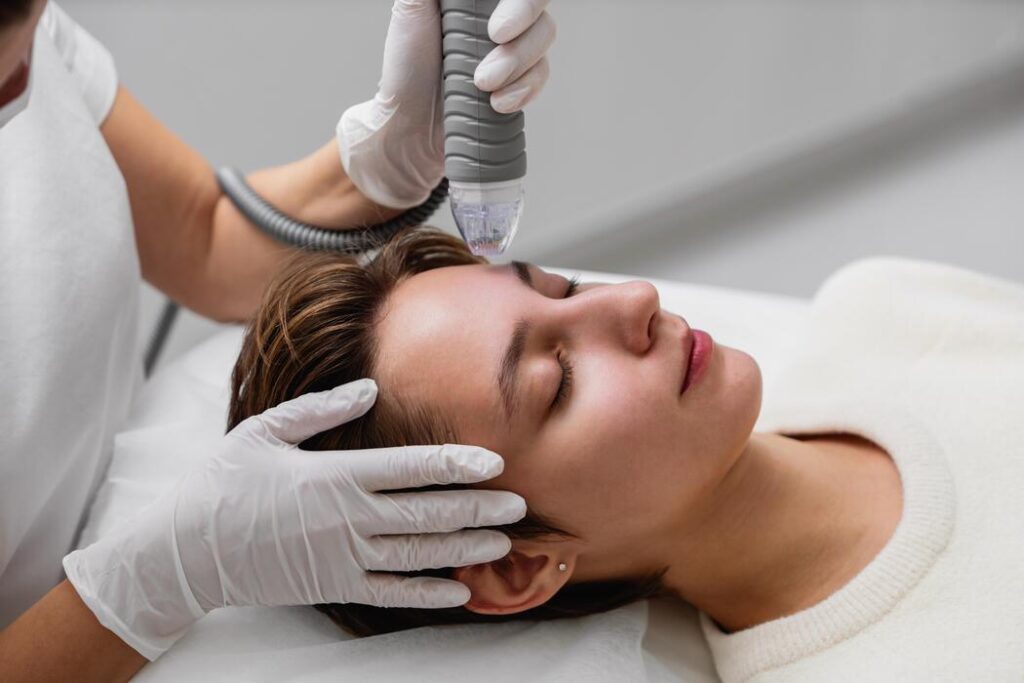
Hair thinning and hair loss can affect people of different ages. Genetics, hormonal changes, stress, nutritional problems, and scalp conditions can all contribute to these concerns. Many people explore modern hair restoration options to improve scalp health and support hair growth. Exosome hair treatment has gained attention as an emerging approach in regenerative hair care.
This treatment focuses on the role of cell signaling in tissue repair and biological activity. People interested in exosome therapy for hair loss often want to understand how it works, who may benefit, and what results they can realistically expect. Learning about the science, limitations, and available alternatives helps patients make informed decisions about their hair care.
What Is Exosome Hair Treatment?
Exosomes are tiny particles that cells release to carry biological signals. They can contain proteins, lipids, and genetic material that help cells communicate. Researchers study these particles because they may influence processes involved in tissue repair, inflammation, and cell activity.
Exosome hair treatment uses preparations marketed for scalp and hair restoration. Providers may apply these products to the scalp or use other delivery methods, depending on the product and treatment protocol. The intended goal is to influence biological processes associated with hair follicle function.
However, exosome therapy for hair loss remains an emerging field. Evidence from laboratory research and early clinical studies does not establish that all commercial treatments work safely or effectively. Products also differ in their source, preparation, composition, and quality.
Patients should understand these limitations before choosing treatment. A qualified medical professional can explain the available evidence and compare exosome therapy with established hair loss treatments.
How Does Exosome Therapy Work?
Hair follicles follow a natural growth cycle. The anagen phase supports active growth, the catagen phase marks a transition, and the telogen phase involves rest before the hair sheds. Conditions such as androgenetic alopecia can gradually shorten the growth phase and cause hair follicles to produce finer strands.
Researchers investigate whether exosome related signals could influence cells involved in the hair growth cycle. These signals may affect cellular communication and biological responses around hair follicles. Yet scientists still need stronger human studies to determine which preparations, if any, produce meaningful improvements.
A treatment plan should begin with an examination of the scalp and a review of the patient’s medical history. This assessment helps identify the type of hair loss and whether a different treatment would provide a better supported option.
Who May Consider Exosome Hair Treatment?
People experiencing early hair thinning often look for non surgical hair restoration options. Others may notice a widening part, reduced hair density, or increased shedding. These signs can have different causes, so a proper diagnosis matters.
A medical evaluation can help distinguish hereditary hair loss from temporary shedding caused by illness, stress, medication, or nutritional deficiencies. Some scalp disorders also cause hair loss and require specific treatment.
Exosome therapy should not serve as a substitute for diagnosing the underlying condition. People with sudden hair loss, painful scalp changes, scarring, or patchy bald areas should seek medical assessment before considering a cosmetic procedure.
Potential Benefits and Treatment Limitations
Interest in exosome hair restoration comes from the possibility that biological signaling may support processes related to follicle health. Researchers continue to study these mechanisms, but the potential benefits remain uncertain.
Patients should not expect guaranteed hair regrowth, restored hairlines, or permanent results. The response may depend on the cause of hair loss, the condition of existing follicles, the preparation used, and other individual factors.
A responsible provider explains the evidence and discusses alternatives rather than promising a specific result. Established options may include topical minoxidil, prescription treatments when appropriate, treatment of underlying medical problems, or hair transplantation for selected patients.
Safety and Medical Considerations
The safety of an exosome product depends on its source, manufacturing process, ingredients, handling, and method of administration. Poorly controlled products may introduce contamination or cause unwanted reactions. The long term effects of many commercial exosome preparations remain uncertain.
In the United States, the FDA has warned about unapproved products marketed as regenerative therapies, including exosome products. Regulatory requirements vary by country and product. Patients should verify the legal status and quality controls of any proposed treatment.
Before proceeding, patients should ask the skin care specialists about the product’s origin, regulatory status, evidence from human studies, possible side effects, and follow-up arrangements. A provider should also explain whether the procedure involves injections, topical application, or another technique.
Preparing for a Hair Restoration Consultation
A consultation gives patients an opportunity to discuss their goals and learn whether treatment is suitable. The provider should review medications, allergies, previous hair treatments, family history, and any symptoms affecting the scalp.
Photographs taken under consistent lighting can help document hair density over time. The provider may also recommend blood tests or a dermatology assessment when the history suggests an underlying medical cause.
The discussion should cover the total cost, expected number of visits, recovery requirements, and alternative treatments. Patients should receive clear information before paying for a treatment package.
What to Expect After Treatment
After a scalp procedure, patients should follow the provider’s aftercare instructions. These may include keeping the scalp clean, avoiding irritating products for a specified period, and watching for signs of infection or an unusual reaction.
Hair changes take time to evaluate because follicles follow a natural growth cycle. Early photographs may not show meaningful differences. Consistent follow up allows the provider to assess progress and decide whether the treatment plan needs adjustment.
Patients should contact a medical professional if they develop severe pain, spreading redness, fever, significant swelling, or discharge after a procedure.
Frequently Asked Questions
1. Does exosome hair treatment guarantee hair regrowth?
No. Current evidence does not establish guaranteed results. The outcome depends on the cause of hair loss, the product used, and individual factors.
2. How many sessions are required?
There is no universally established treatment schedule for exosome hair therapy. The number of sessions depends on the proposed protocol, and patients should be cautious about fixed packages that promise guaranteed results.
3. Is exosome therapy better than PRP?
Current evidence does not establish that exosome therapy is better than platelet rich plasma, or PRP. Both approaches require careful evaluation, and their evidence and regulatory considerations differ.
4. Is exosome hair treatment painful?
Discomfort depends on the delivery method. Topical application and injections have different levels of discomfort. The provider should explain the method before treatment.
5. Can exosome treatment replace hair transplant surgery?
Not necessarily. Exosome therapy has not been established as a replacement for hair transplantation. Patients with advanced hair loss may need to discuss other options with a qualified specialist.
Conclusion
Exosome hair treatment service is an emerging area of hair restoration research, but its effectiveness and long term safety remain uncertain. A proper diagnosis, realistic expectations, and a discussion of established alternatives are essential before starting treatment.
London Aesthetics & Rejuvenation Center DHA is the best company for people seeking hair care and aesthetic services in DHA Phase 3 Lahore and surrounding areas. Patients should consult qualified professionals to understand suitable options, treatment limitations, and safety requirements before making a decision.