
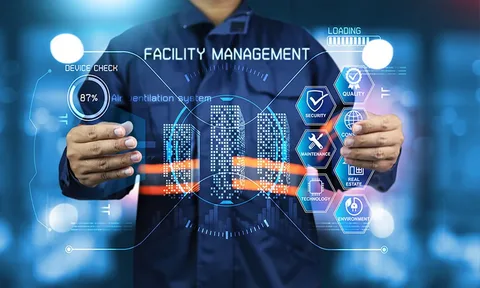
Critical facilities require a higher level of operational reliability than conventional commercial properties. Data centres, healthcare facilities, industrial plants, financial institutions and other essential environments depend on electrical, mechanical and building systems operating continuously and safely.
In Abu Dhabi, demanding climatic conditions and the growing importance of technology-driven infrastructure make effective facility management particularly important. A structured approach to maintenance, monitoring, energy management and emergency preparedness can help businesses protect critical assets and maintain operational continuity.
What Are Critical Facility Management Services?
Critical facility management involves the operation, monitoring, maintenance and optimisation of facilities where system failures could have significant operational, financial or safety consequences.
Unlike standard building maintenance, critical facility management places particular emphasis on availability, resilience and rapid response.
Services may include:
-
Electrical infrastructure management
-
HVAC and cooling-system maintenance
-
Generator and backup-power support
-
UPS maintenance
-
Preventive and corrective maintenance
-
Building management systems
-
Equipment monitoring
-
Emergency response
-
Energy management
-
Asset management
-
Planned inspections
-
Technical reporting
The exact scope depends on the type of facility, its critical systems and operational requirements.
Why Is Critical Facility Management Important in Abu Dhabi?
Businesses operating critical facilities in Abu Dhabi need to consider both operational demands and local environmental conditions. High temperatures can increase the load on cooling and electrical systems, while dust and environmental exposure can affect equipment performance.
Effective management can help businesses:
A proactive management strategy can reduce dependence on emergency repairs and improve visibility into the condition of important assets.
Which Facilities Require Critical Management?
Critical facility management can be relevant wherever an interruption could have major consequences.
Examples include:
-
Data centres
-
Healthcare facilities
-
Industrial plants
-
Research facilities
-
Telecommunications facilities
-
Financial infrastructure
-
Control centres
-
Utility-related facilities
-
Large-scale manufacturing sites
-
High-availability commercial environments
The level of criticality varies between facilities. A maintenance strategy should therefore be based on the consequences associated with individual equipment failures.
What Systems Need to Be Managed in a Critical Facility?
Critical facilities contain interconnected systems, and a failure in one area can affect other operations.
Important systems can include:
Electrical Systems
Power distribution, switchgear, transformers, generators and UPS systems provide the electrical foundation for many critical facilities.
Mechanical Systems
HVAC equipment, chillers, pumps, ventilation systems and other mechanical assets help maintain suitable operating conditions.
Cooling Systems
Cooling infrastructure can be particularly important for data centres and other facilities containing heat-sensitive equipment.
Monitoring and Controls
Building management systems and monitoring platforms provide information about equipment status, alarms and environmental conditions.
Emergency Systems
Backup power and other emergency systems help maintain selected critical functions when normal systems are interrupted.
What Does Critical Facility Management Typically Include?
Critical Facility Management Services Abu Dhabi can encompass a combination of preventive maintenance, monitoring, technical support and operational planning.
A comprehensive service programme may include:
-
Preventive maintenance
-
Corrective maintenance
-
Asset inspections
-
Equipment testing
-
Electrical maintenance
-
HVAC servicing
-
Generator maintenance
-
UPS servicing
-
Cooling-system management
-
Alarm monitoring
-
Emergency response
-
Energy-performance reviews
-
Technical documentation
Services should be adapted to the facility’s operational requirements rather than applying an identical maintenance programme to every site.
How Does Preventive Maintenance Protect Critical Facilities?
Preventive maintenance aims to identify potential problems before they become major failures. Critical equipment may operate continuously, making routine inspection and servicing particularly important.
Maintenance teams can monitor:
-
Equipment temperature
-
Electrical readings
-
Vibration
-
Cooling performance
-
Fluid levels
-
Battery condition
-
Generator performance
-
Alarm history
-
Control-system operation
Identifying deterioration early can give facility operators time to schedule corrective work before an issue causes an unexpected interruption.
How Does Condition Monitoring Improve Facility Management?
Condition monitoring provides information about equipment performance rather than relying exclusively on fixed maintenance intervals.
Depending on the system, monitoring can track:
-
Temperature
-
Vibration
-
Electrical load
-
Energy consumption
-
Pressure
-
Humidity
-
Equipment runtime
-
Alarm conditions
Trend information can help technical teams identify changes in performance and determine whether further inspection is necessary.
Why Is Backup Power Essential for Critical Facilities?
Some critical facilities cannot rely solely on the normal electrical supply. Backup systems can help maintain essential loads during a power interruption.
Depending on the facility, backup infrastructure may include:
-
Diesel or gas generators
-
UPS systems
-
Battery systems
-
Automatic transfer systems
-
Emergency distribution boards
-
Redundant power supplies
Backup systems also need regular testing and maintenance. A generator that has not been properly maintained may not perform as expected when an emergency occurs.
How Does Cooling Management Support Critical Operations?
Temperature control is particularly important in facilities where sensitive equipment generates substantial heat. Data centres are a common example, but other industrial and technical environments may also require dependable cooling.
Cooling management can involve:
-
HVAC servicing
-
Chiller maintenance
-
Pump inspections
-
Airflow management
-
Temperature monitoring
-
Humidity monitoring
-
Cooling redundancy
-
Filter and coil maintenance
-
Control-system checks
In Abu Dhabi’s climate, maintaining effective cooling capacity is an important part of protecting critical equipment.
How Does an EPC Contractor Support Critical Facility Projects?
A Top EPC contractor in Abu Dhabi can contribute to critical facility projects by coordinating engineering, procurement and construction activities across multiple disciplines.
Critical infrastructure often requires close coordination between:
-
Electrical systems
-
Mechanical services
-
Cooling infrastructure
-
Control systems
-
Structural requirements
-
Fire protection
-
Utility connections
-
Commissioning
An integrated approach can help ensure that these systems are properly coordinated before the facility becomes operational.
What Role Does Testing and Commissioning Play?
Testing and commissioning help verify that critical systems perform according to the project’s requirements before operational handover.
Depending on the facility, testing may cover:
-
Electrical distribution
-
Backup power
-
UPS systems
-
HVAC equipment
-
Cooling systems
-
Pumps
-
Control systems
-
Alarms
-
Monitoring systems
-
Emergency operating sequences
Integrated testing can also be valuable because individual systems may function correctly while an interaction between systems creates a problem.
How Can Critical Facility Management Reduce Downtime?
Downtime can have serious consequences for organisations that depend on continuous operations. Facility management can reduce risk by combining preventive maintenance, monitoring, redundancy and emergency planning.
A practical strategy can include:
-
Identifying critical assets
-
Establishing maintenance priorities
-
Monitoring equipment performance
-
Maintaining spare parts
-
Testing backup systems
-
Reviewing emergency procedures
-
Documenting equipment history
-
Training technical personnel
-
Analysing recurring failures
The objective is not necessarily to eliminate every fault but to reduce the probability and impact of avoidable failures.
How Can Businesses Improve Emergency Preparedness?
Critical facilities should have clear procedures for responding to equipment failures and other operational incidents.
Emergency planning can address:
-
Power interruptions
-
Cooling failures
-
Equipment breakdowns
-
Water leaks
-
Fire-related incidents
-
Control-system failures
-
Loss of communications
-
Environmental excursions
Emergency procedures should clearly define responsibilities, escalation routes and recovery actions.
Regular testing and drills can help teams identify weaknesses in emergency procedures before a real incident occurs.
How Does Energy Management Affect Critical Facilities?
Critical facilities can consume substantial amounts of electricity, particularly where cooling and IT equipment operate continuously.
Energy management can involve:
-
Monitoring energy consumption
-
Reviewing equipment efficiency
-
Optimising HVAC operation
-
Managing cooling loads
-
Identifying abnormal consumption
-
Using efficient motors and pumps
-
Reviewing operating schedules
-
Tracking performance trends
Energy efficiency should always be balanced against reliability requirements. Reducing energy use should not compromise the resilience of critical systems.
What Should Businesses Look for in a Critical Facility Management Partner?
Selecting the right technical partner is an important decision for businesses responsible for critical infrastructure.
Businesses should assess:
-
Experience with critical environments
-
Electrical and mechanical capabilities
-
Preventive maintenance systems
-
Emergency response arrangements
-
Monitoring capabilities
-
Qualified technical personnel
-
Testing and commissioning expertise
-
Health and safety procedures
-
Documentation standards
-
Spare-parts management
-
Understanding of UAE operating conditions
For complex facilities, businesses should also consider whether the provider can coordinate effectively with multiple engineering disciplines.
How Can Technology Improve Critical Facility Management?
Digital technologies can provide facility teams with greater visibility into system performance. Centralised monitoring platforms can collect information from electrical, mechanical and environmental systems.
Technology can support:
-
Real-time monitoring
-
Automated alarms
-
Equipment trend analysis
-
Energy tracking
-
Remote system visibility
-
Maintenance scheduling
-
Asset history
-
Performance reporting
However, technology works best when combined with experienced personnel who can interpret information and respond appropriately.
How Does Abu Dhabi’s Environment Influence Facility Management?
Critical facilities in Abu Dhabi may operate under challenging environmental conditions. High temperatures can increase cooling requirements, while dust and humidity may affect certain equipment.
Facility management strategies can therefore include:
-
Regular cleaning and inspection
-
Appropriate equipment-room ventilation
-
Cooling-system monitoring
-
Electrical equipment inspections
-
Corrosion checks where relevant
-
Preventive maintenance adjustments
-
Seasonal operational reviews
Maintenance programmes should reflect the actual environmental and operational conditions of each facility.
What Is the Difference Between Preventive and Reactive Maintenance?
Preventive maintenance takes place according to a planned schedule or equipment condition, while reactive maintenance occurs after a fault has developed.
A balanced maintenance programme can include preventive, condition-based and corrective maintenance according to the criticality of each asset.
How Can Businesses Build a Strong Critical Facility Strategy?
A reliable strategy should connect maintenance, monitoring, emergency response and long-term asset planning.
Businesses can take the following steps:
-
Create a complete asset register.
-
Identify critical systems and dependencies.
-
Establish maintenance priorities.
-
Set appropriate inspection schedules.
-
Monitor important equipment.
-
Test backup systems regularly.
-
Maintain emergency procedures.
-
Record faults and maintenance history.
-
Review recurring problems.
-
Update the strategy as the facility changes.
This provides a structured foundation for managing critical infrastructure over its operational lifecycle.
Why Is Long-Term Facility Management Important?
Critical infrastructure requires ongoing attention after construction and commissioning. Equipment ages, operating loads change and new technologies may be introduced over time.
Long-term facility management helps businesses plan for:
-
Equipment replacement
-
Capacity changes
-
Technology upgrades
-
Maintenance requirements
-
Energy improvements
-
Changing operational needs
-
Future expansion
A lifecycle approach can help organisations make better decisions about their critical assets and reduce the risk of unexpected operational challenges.
Conclusion
Critical facilities require disciplined management because even a relatively small equipment failure can have a significant effect on business operations. Preventive maintenance, condition monitoring, reliable backup systems, effective cooling, testing and emergency planning all contribute to a resilient facility environment.
For businesses in Abu Dhabi and across the UAE, professional facility management can provide the structured approach needed to maintain critical electrical and mechanical infrastructure. Laith Electro Mechanical to a critical facility strategy can provide businesses with technical support for dependable electromechanical operations and long-term asset performance.