
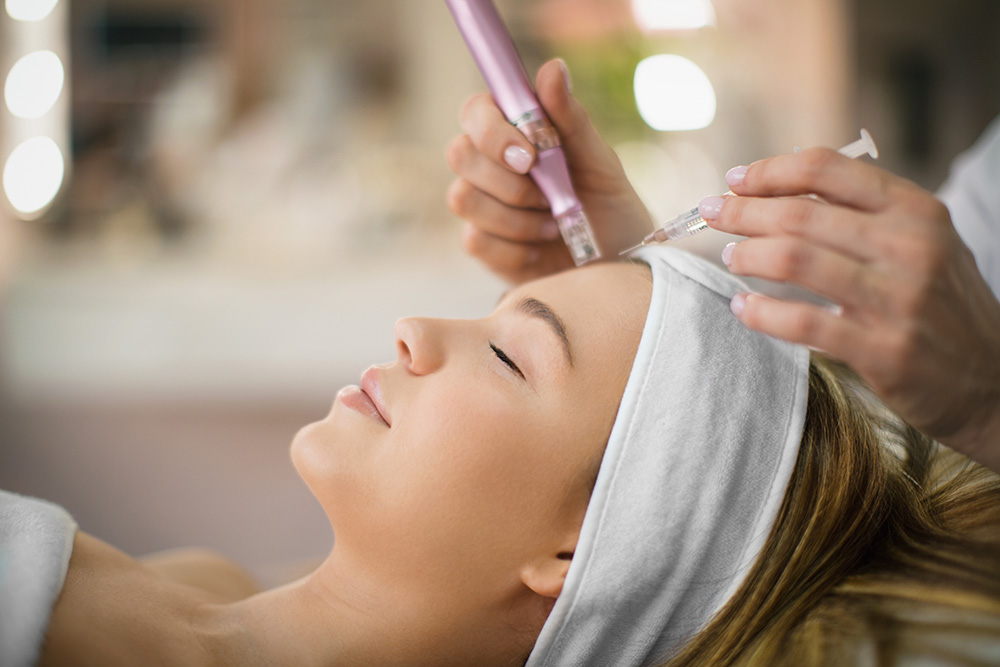
Healthy-looking skin can improve comfort, confidence, and daily well-being. However, skin concerns such as acne, dark spots, uneven tone, fine lines, and dryness often need more than a basic skin care routine. A cosmetic skin clinic offers professional services that address these concerns through personalized skin assessments, suitable treatments, and practical advice.
Every person’s skin has different needs. Age, sun exposure, daily habits, genetics, and environmental conditions can affect its appearance. A professional skin care provider considers these factors before recommending a treatment. This approach helps clients understand their skin and choose options that fit their goals.
What Is a Cosmetic Skin Clinic?
A cosmetic skin clinic provides treatments that improve the appearance and texture of the skin. Depending on the clinic’s services and the qualifications of its staff, these treatments may include facials, chemical peels, acne care, skin rejuvenation, pigmentation treatments, and other non surgical procedures.
Some clinics also offer medical skin care under the supervision of qualified health professionals. These services can help address specific skin conditions that require medical assessment.
A cosmetic skin clinic should begin with a consultation rather than recommending the same procedure to everyone. The provider needs to understand the client’s concerns, skin type, medical history, current products, and treatment expectations. This information helps guide a suitable care plan.
Clients should also understand the difference between cosmetic care and medical treatment. Persistent acne, unusual skin growths, painful rashes, and sudden changes in skin color may require assessment by a dermatologist.
Common Skin Concerns Addressed by Cosmetic Treatments
Many people visit a skin clinic because they want to improve a specific concern. Some want a smoother texture, while others want to reduce the appearance of dark spots or manage recurring breakouts.
Acne and Blemishes
Acne can cause pimples, blackheads, whiteheads, and inflamed spots. Some people also develop dark marks or scars after breakouts. A suitable treatment plan depends on the type and severity of acne.
A skin care professional may recommend gentle cleansing, noncomedogenic products, or selected cosmetic treatments. More severe acne may require prescription medication from a qualified medical professional.
Clients should avoid picking pimples because this can increase inflammation and the risk of scarring. Consistent care usually provides better results than frequently changing products.
Uneven Skin Tone and Dark Spots
Sun exposure, hormonal changes, inflammation, and aging can contribute to uneven pigmentation. Cosmetic treatments may help reduce the appearance of certain dark spots, but the correct approach depends on their cause.
A provider may discuss topical ingredients, chemical peels, or other suitable procedures. Some pigmentation problems need medical assessment before treatment.
Daily sun protection remains essential. A broad spectrum sunscreen with SPF 30 or higher helps protect the skin from ultraviolet radiation and supports many pigmentation treatment plans.
Fine Lines and Rough Texture
Fine lines and rough skin texture can develop with age, sun exposure, dryness, and reduced collagen production. Some cosmetic treatments aim to improve surface texture and soften the appearance of early lines.
Options may include moisturizers, retinoid products, selected chemical peels, and other professionally supervised procedures. The right choice depends on the client’s skin condition and tolerance.
Popular Services at a Cosmetic Skin Clinic
A cosmetic skin clinic may offer several treatments, but each procedure serves a different purpose.
Professional Facials
Professional facials focus on cleansing, exfoliation, hydration, and general skin care. A skin care specialist may select products based on dryness, oiliness, sensitivity, or congestion.
A facial can leave the skin feeling smoother and more comfortable. However, it does not replace medical acne treatment or guarantee permanent changes in pigmentation.
Chemical Peels
Chemical peels use selected acids to remove some surface skin cells and encourage skin renewal. Providers choose the strength and ingredients according to the treatment goal and skin condition.
Mild peels may help improve dullness, uneven texture, and certain forms of discoloration. Stronger peels involve greater risks and require appropriate medical expertise.
Clients should follow preparation and aftercare instructions carefully. Peels can cause irritation, and unsuitable treatments can lead to burns, infection, or changes in skin color.
Skin Rejuvenation
Skin rejuvenation includes procedures designed to improve texture, tone, and visible signs of aging. Depending on the clinic, options may include microneedling, selected light based treatments, or other procedures performed by qualified providers.
Each method has different benefits, risks, and recovery needs. A consultation helps determine whether a procedure suits the client’s skin and expectations.
Acne Scar Treatments
Acne scars may appear as depressions, raised areas, or changes in skin color. Different scar types respond to different treatments.
A qualified provider may discuss microneedling, selected laser procedures, chemical treatments, or other approaches. Deep scars may need a combination of methods. No single treatment works equally well for every person.
Why a Personalized Skin Care Plan Matters
A personalized plan helps prevent unsuitable treatments and unnecessary spending. It also gives clients a clear understanding of what they can realistically expect.
During a consultation, the provider should examine the skin, ask about previous reactions, review current products, and discuss any relevant medical conditions. The provider should explain expected benefits, possible side effects, recovery time, and the number of sessions that a treatment may require.
A good plan also includes home care. Gentle cleansing, regular moisturizing, sunscreen, and appropriate active ingredients can support professional treatments.
Clients should tell their provider about pregnancy, allergies, prescription medications, cold sore history, and previous cosmetic procedures when relevant. These details can affect treatment safety.
How to Choose the Right Cosmetic Skin Clinic
Choosing a clinic requires more than comparing prices or promotional offers. Clients should check the qualifications of the person performing each procedure and confirm that the clinic follows suitable hygiene practices.
Important points to discuss include:
- The provider’s training, experience, and qualifications for the proposed treatment.
- The expected results, possible risks, total cost, and aftercare requirements.
Clients should also ask whether the clinic uses appropriate equipment, explains consent clearly, and provides instructions for handling side effects. A professional provider welcomes questions and does not promise flawless or permanent results.
Maintaining Results After Treatment
Skin care does not end when a clinic visit finishes. Home habits can influence how the skin responds and how long improvements last.
A gentle cleanser helps remove dirt, sweat, and excess oil without stripping the skin. Moisturizer supports the skin barrier, while sunscreen reduces ongoing sun damage. Clients should introduce active ingredients gradually and avoid combining irritating products without professional guidance.
After a peel, microneedling session, or another procedure, the provider may recommend a temporary break from exfoliating products, retinoids, or intense exercise. Clients should follow the specific instructions they receive.
Persistent swelling, severe pain, spreading redness, blisters, or signs of infection require prompt medical advice.
Conclusion
A cosmetic skin clinic can help people understand their skin concerns and explore treatments that match their needs. Professional assessment, suitable procedures, and consistent home care form the foundation of a practical skin care plan.
London Aesthetics & Rejuvenation Centre in Kohinoor City, Faisalabad, and its surrounding areas is a leading choice for people seeking cosmetic skin care services. The center can be considered by clients who want to discuss their skin care goals, explore available treatments, and learn about suitable options. Contact the center to ask about its services, provider qualifications, consultation process, and aftercare guidance before selecting a procedure.
Frequently Asked Questions
1. What does a cosmetic skin clinic treat?
A cosmetic skin clinic may offer services for acne, uneven skin tone, dryness, fine lines, rough texture, and certain acne scars. The available treatments depend on the clinic and the qualifications of its staff.
2. How often should I visit a skin clinic?
The schedule depends on the treatment and the condition being addressed. Some clients benefit from occasional facials, while others need a planned series of treatments or medical follow up.
3. Are cosmetic skin treatments suitable for sensitive skin?
Some treatments may suit sensitive skin, but providers must assess the skin and select appropriate products or procedures. Certain peels and active ingredients can cause irritation.
4. Can a cosmetic skin clinic remove acne scars?
Selected treatments can improve the appearance of some acne scars. Results depend on scar type, skin condition, and treatment choice. Complete removal is not guaranteed.
5. Do I need sunscreen after a cosmetic treatment?
Yes. Sun protection helps reduce additional skin damage and lowers the risk of worsening pigmentation, especially after treatments that make the skin more sensitive.