
For industries that depend on boilers, furnaces, and thermal heating systems, fuel availability is closely connected to daily production. A delay in fuel delivery can interrupt operations, affect manufacturing schedules, and increase operating costs. This is why businesses need to consider not only fuel quality and price but also the reliability of their supply arrangements.
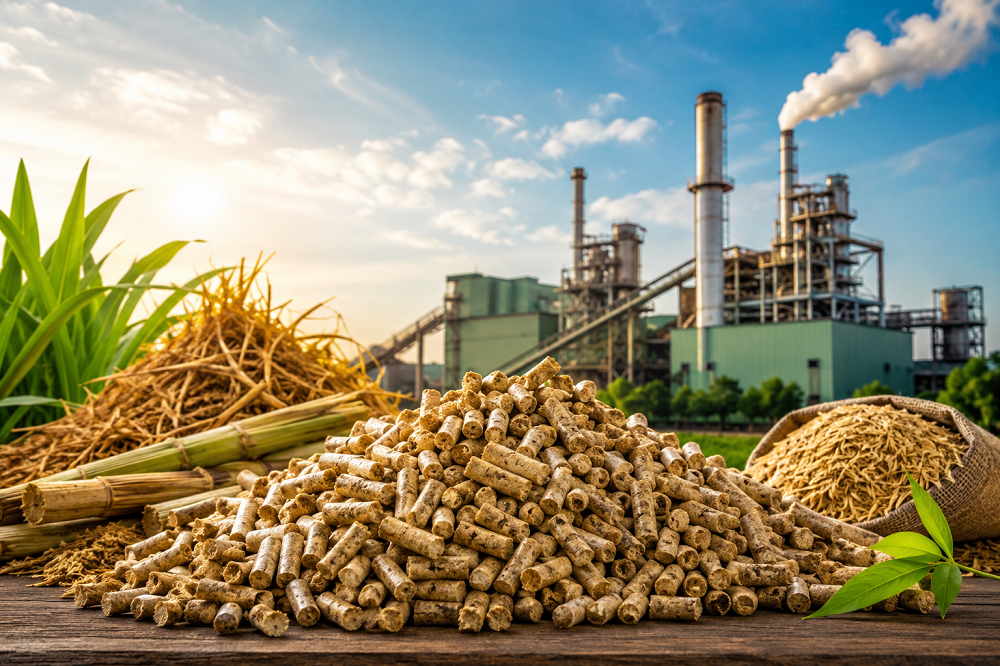
Biomass pellets have become an option for industries exploring renewable alternatives to conventional solid fuels. Produced from suitable agricultural residues, wood waste, and other biomass materials, these compact fuel products can support various industrial heating applications when matched with compatible equipment. Choosing the right Biomass Pellet Supplier can help businesses plan fuel purchases, maintain inventory, and manage production schedules more effectively.
Why Consistent Fuel Supply Matters in Manufacturing
Manufacturing facilities often operate according to planned production targets. Whether a business produces bricks, processes materials, or operates an industrial boiler, its heating requirements may remain relatively steady throughout the working week. An unexpected fuel shortage can disrupt this routine.
When fuel deliveries arrive as scheduled, businesses can maintain appropriate inventory levels and organise production with greater confidence. Purchasing teams can plan orders in advance, warehouse staff can manage storage space, and production managers can coordinate fuel consumption with operating schedules.
Inconsistent supply, on the other hand, may require urgent purchases or changes to production plans. These situations can create additional transportation expenses and place pressure on staff. Developing a dependable fuel procurement process helps reduce such challenges and makes day-to-day operations easier to manage.
1. Understand Your Actual Fuel Requirements
Before selecting a supplier, businesses should calculate how much fuel they use during normal operations. Consumption depends on several factors, including equipment capacity, operating hours, production volume, fuel quality, and heating requirements.
Reviewing previous consumption records can help estimate weekly and monthly demand. Businesses should also consider seasonal changes, planned maintenance, and periods when production is expected to increase.
A clear estimate allows purchasing teams to determine suitable order quantities and delivery intervals. Instead of placing orders at the last minute, they can create a schedule that balances storage capacity with operational needs.
It is equally important to confirm whether biomass pellets are suitable for the existing boiler or heating system. Consulting the equipment manufacturer or technical team can help establish the required fuel specifications before a purchasing decision is made.
2. Evaluate Pellet Quality Before Placing an Order
Reliable delivery is useful only when the supplied fuel meets the industry’s requirements. Biomass pellet quality can influence combustion performance, heat output, storage stability, and the amount of residue left after use.
Important specifications to review include:
- Calorific value: Indicates the energy released during combustion.
- Moisture content: Excess moisture can reduce useful heat output and affect combustion.
- Ash content: Influences residue management and cleaning requirements.
- Pellet durability: Helps determine how well pellets withstand transportation and handling.
- Size and density: Must be suitable for the intended fuel-feeding and combustion equipment.
Ask suppliers for product specifications and available test reports. Where practical, conduct a trial before committing to a large order. Consistent fuel characteristics make it easier to estimate consumption and plan production requirements.
3. Check Production Capacity and Order Fulfilment
A supplier may offer suitable pellets but may not always have the capacity to fulfil large or recurring orders. Industrial buyers should therefore understand how much product can be supplied within the required timeframe.
Discuss expected monthly quantities, minimum order sizes, lead times, and the process for arranging repeat deliveries. If your business experiences seasonal demand or sudden increases in production, explain these requirements before finalising the supply arrangement.
It is also helpful to ask how the supplier manages periods of high demand and communicates potential delays. Clear expectations can prevent misunderstandings and help both parties coordinate their schedules.
Ecostan Biofuel offers biomass fuel solutions, including biomass pellets and briquettes, for industrial applications. As with any potential supplier, buyers should review the relevant product specifications, confirm availability, and establish delivery expectations according to their own operational requirements.
4. Plan Inventory and Storage Properly
Even businesses with dependable suppliers need an appropriate inventory plan. Keeping too little fuel can increase the risk of production interruptions, while storing excessive quantities can occupy valuable space and tie up working capital.
An effective inventory plan should consider average daily consumption, delivery lead times, available storage capacity, and the consequences of a delayed shipment. Maintaining a reasonable reserve may provide additional flexibility when deliveries are affected by transportation or production issues.
Storage conditions also matter. Biomass pellets should generally be protected from rain, damp floors, excessive humidity, and other sources of moisture. Poor storage can affect pellet durability and fuel performance.
Businesses should establish clear procedures for receiving, inspecting, storing, and issuing fuel. These practices help maintain product condition and provide better visibility into current stock levels.
5. Compare Total Fuel Costs, Not Just the Price Per Tonne
Price is an important part of purchasing decisions, but the lowest quotation does not automatically represent the best value. Product specifications, transportation expenses, handling requirements, and actual fuel performance all contribute to the overall cost.
For example, differences in moisture content or calorific value may affect the quantity of fuel needed to meet a heating requirement. Delivery delays can also create additional expenses if a business has to arrange urgent transportation or purchase replacement fuel.
When comparing offers, request clear quotations that specify product quality, order quantity, freight charges, delivery timelines, and payment terms. Where possible, compare suppliers using similar product specifications so the evaluation remains fair.
A practical cost comparison helps businesses understand the relationship between fuel price, performance, and supply reliability.
6. Establish a Clear Delivery Schedule
Delivery planning connects fuel purchasing with production planning. Businesses should agree on expected dispatch dates, delivery frequency, transportation responsibilities, and procedures for handling changes to an order.
For regular fuel users, scheduled deliveries can make inventory management more predictable. Purchasing teams can place orders before stocks become critically low, while warehouse staff can prepare unloading areas and storage space in advance.
It is also useful to maintain communication between the supplier, purchasing department, warehouse team, and production manager. Sharing updated consumption forecasts can help everyone respond more effectively when requirements change.
When evaluating a Biomass Pellet Supplier, consider how clearly the company communicates about availability, dispatches, and potential delays. Reliable communication is an important part of building a workable long-term supply arrangement.
7. Build a Long-Term Supplier Relationship
A long-term relationship can make fuel procurement easier when expectations are clear on both sides. Regular communication helps suppliers understand changing requirements, while buyers gain a better understanding of product specifications and ordering procedures.
Businesses should review supplier performance periodically. Useful measures include delivery punctuality, consistency of product quality, order accuracy, responsiveness, and the ability to meet agreed quantities.
Keep records of fuel consumption, delivery dates, product batches, and any quality concerns. This information helps identify patterns and supports more informed purchasing decisions.
A dependable supply relationship should be based on transparent terms and measurable performance rather than assumptions alone. Reviewing results regularly allows businesses to address problems early and improve their procurement process over time.
8. Use Forecasting to Improve Production Planning
Fuel forecasting helps businesses connect purchasing decisions with their production targets. By tracking historical consumption and planned output, managers can estimate upcoming fuel requirements and place orders accordingly.
For example, if production is expected to increase next month, the purchasing team can adjust its forecast, confirm availability, and arrange deliveries before demand rises. If maintenance will temporarily reduce production, orders may be adjusted to avoid unnecessary inventory.
Forecasting does not eliminate every supply risk, but it provides a structured way to prepare for changing requirements. Combined with quality checks, suitable storage, and regular supplier communication, it can improve operational planning.
Conclusion
Consistent fuel availability plays an important role in maintaining production schedules, managing inventory, and controlling industrial operating costs. Businesses can improve their fuel planning by understanding consumption requirements, checking pellet quality, comparing total costs, establishing delivery schedules, and monitoring supplier performance.
Ecostan Biofuel provides biomass fuel solutions for industrial applications, including biomass pellets and briquettes. Before choosing a supplier, businesses should confirm product suitability, supply capacity, and delivery terms. A well-planned purchasing strategy and a reliable Biomass Pellet Supplier can help industries manage fuel requirements more effectively and explore renewable alternatives to conventional fuels.