

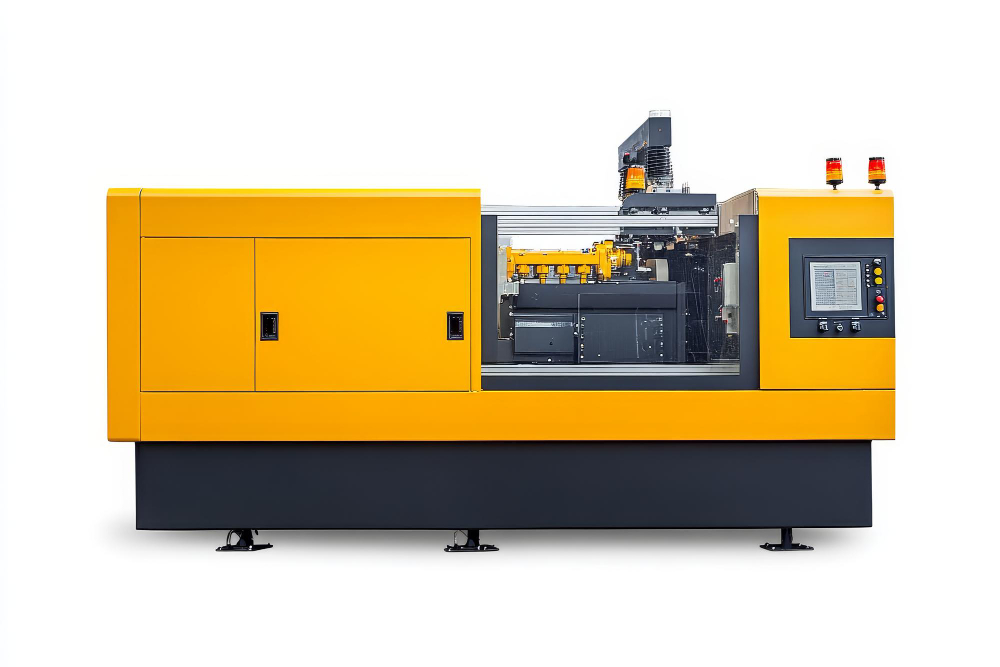
In the production of high-precision tools for injection molding, companies need a combination of advanced machinery and skilled engineering. Facilities that can convert digital designs into hardened steel cavities for millions of identical parts. This is the reason global companies mostly partner up with plastic mold makers in China. It’s a way for them to benefit from a highly developed supply chain and efficient turnaround times.
Why Is Steel Quality the First Priority?
The type of steel used in the construction of a mold determines how long the tool will remain functional. High-grade stainless steel or hardened tool steel prevents the internal surfaces from wearing down after repeated cycles of heat and pressure. Using premium metal avoids the need for frequent repairs and maintains the accuracy of the finished plastic pieces.
How Do Labor Rates Impact Total Cost?
Labor remains a significant factor in the total price of a new injection tool because of the manual polishing and assembly required. Skilled technicians in these regions often provide the same level of precision as those in other countries for a lower hourly rate. This difference allows for a more competitive initial investment when starting a new product line.
What Are the Hidden Costs of Tooling?
Beyond the initial price of the metal, companies must account for the cost of testing and modifying the mold after the first samples are made. These trial runs involve adjusting the temperature and pressure settings to verify that the part meets all requirements. Proper budgeting for these steps prevents financial surprises before the mass production phase begins.
How Is Precision Measured in the Factory?
Factories use coordinate measuring machines to verify that every dimension of the mold matches the original CAD file exactly. Even a deviation of a few microns can lead to assembly issues when the plastic parts reach the final customer. Automated sensors and laser scanners provide the data needed to make these fine adjustments during the machining process.
Why Does Surface Finish Matter for Aesthetics?
The internal texture of a mold is mirrored directly onto the surface of every plastic part produced. Options range from a high-gloss mirror polish to a rougher, matte texture that hides scratches and fingerprints. Specifying the correct finish at the start helps avoid the need for secondary painting or coating steps later.
What Is the Advantage of Multi-Cavity Molds?
A multi-cavity tool produces several parts during a single machine cycle, which lowers the cost of each individual item. While the initial price of the mold is higher, the efficiency gains make it the best option for high-volume production needs. This approach is common for small components like bottle caps or electronic housings.
How to Evaluate a Potential Factory Partner?
A thorough review of a factory should include an inspection of their current machinery and a look at their past projects. Seeing the types of products they have manufactured before provides proof of their technical abilities and quality standards. Requesting a list of current equipment helps verify that they have the capacity to handle your specific design.
Why Are Communication Standards Important?
Clear communication between the design team and the tool factory prevents errors that are expensive to fix once the metal is cut. Professional managers often provide weekly progress reports with photos or videos of the mold-making process. This transparency allows for quick adjustments if any technical challenges arise during the build.
How Does Heat Treatment Affect Durability?
Heating the steel to extreme temperatures and then cooling it quickly increases the hardness of the mold surface. This process makes the tool resistant to the abrasive nature of certain plastic resins that contain glass fibers. A heat-treated mold is a requirement for any project intended for long-term use in a factory setting.
What Is a Mold Flow Analysis?
A mold flow analysis is a computer simulation that shows how the liquid plastic will travel through the tool. This study helps identify potential air pockets or weak spots where the plastic might not fill correctly. Running this simulation before the mold is built saves time and prevents the need for major metal changes later.
What Are the Typical Lead Times for Tooling?
The time needed to build a professional mold ranges from four to twelve weeks depending on the complexity of the part. Simpler designs can be finished quickly, while those with moving parts or complex textures require more machining time. Accurate scheduling helps align the arrival of the mold with the launch of the new product.
Key Takeaway
Success with new plastic components requires a balance of material science and mechanical engineering. And working with plastic mold makers in China provides the technical support needed for high-volume manufacturing. This way, you’re guaranteed your project moves from design to reality without technical delays.
