

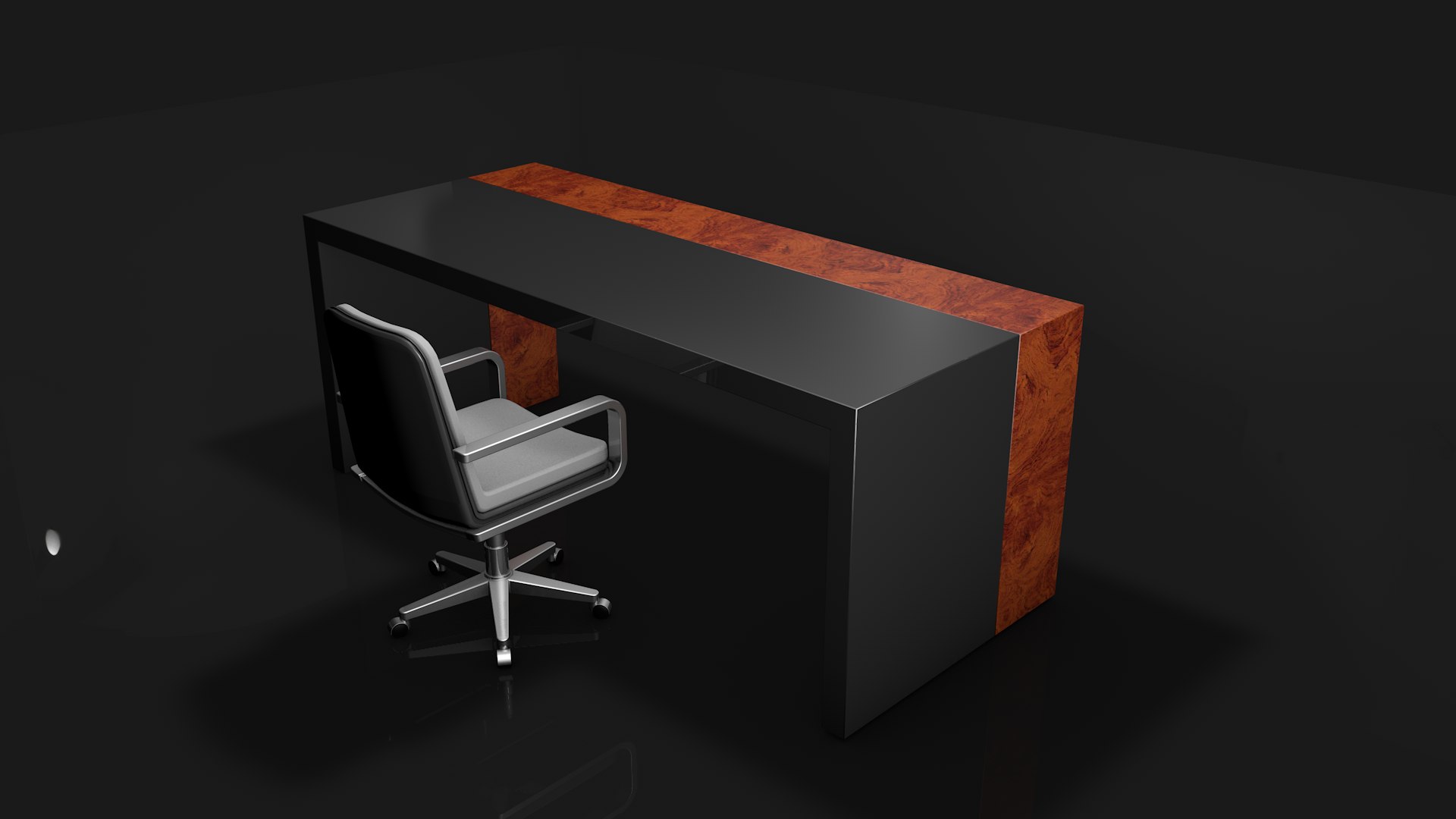
When it comes to creating a productive and visually appealing office environment, office table design plays a crucial role. The right table can define the flow of a workspace, influence employee comfort, and even enhance creativity. Whether you are designing a home office, a corporate space, or a co-working environment, understanding the core principles of office table layouts is essential. From ergonomic considerations to style choices, every detail contributes to a functional and aesthetic workplace. Many modern offices now prioritize modular designs that not only optimize space but also adapt to evolving work styles.
A well-thought-out office table design considers the type of work performed, the number of people using the space, and the desired atmosphere. For instance, collaborative environments benefit from larger tables with shared surfaces, whereas private offices may require smaller, more personal setups. Materials and finishes also significantly affect the ambiance and durability of the office furniture. Wood, glass, and metal combinations are currently popular, offering both elegance and robustness. Additionally, designers often integrate cable management systems, adjustable heights, and storage solutions to ensure the workspace remains clutter-free and efficient.
Maximizing Efficiency with the Right Office Table
Selecting the right office table involves more than picking a piece that looks good. Functionality is just as critical as aesthetics. An effective office table can improve posture, reduce strain during long hours, and enhance overall productivity. Ergonomic designs, such as adjustable heights and sufficient legroom, are now becoming standard requirements in modern office setups. Companies are increasingly investing in office tables that encourage movement and comfort, recognizing that employee well-being directly impacts output.
Another factor to consider in choosing an office table is space optimization. Open-plan offices often require tables that can be arranged flexibly, allowing teams to collaborate or work independently as needed. Conversely, executive offices may require premium tables with additional features like built-in storage, cable channels, and integrated power outlets. By balancing form and function, you can ensure that the office table not only looks sophisticated but also supports the practical demands of the work environment.
Design Trends for Contemporary Office Table Design
Current trends in office table design emphasize simplicity, versatility, and sustainability. Minimalist tables with clean lines, neutral tones, and high-quality materials are increasingly popular. These designs reduce visual clutter, making the office space appear more spacious and organized. Sustainability is also a key consideration, with many businesses opting for eco-friendly materials like reclaimed wood or recycled metal. These choices not only support environmental responsibility but also convey a progressive corporate image.
Technology integration is another trend reshaping office tables. Tables with built-in charging ports, wireless charging pads, and smart storage solutions are designed to support the demands of a digital workforce. Adjustable desks that allow users to switch between sitting and standing positions are also gaining popularity, contributing to healthier work habits. By keeping up with these trends, businesses can ensure their office spaces are both contemporary and practical, attracting talent and enhancing employee satisfaction.
Customizing Your Office Table for Unique Needs
Every workspace is different, and a one-size-fits-all approach rarely works. Customizing an office table allows you to address specific needs while maintaining aesthetic appeal. For example, creative agencies may prefer modular tables that can be reconfigured for team brainstorming sessions. Meanwhile, law firms or accounting offices might prioritize large desks with ample storage to accommodate paperwork and files. Customization also extends to finishes, color schemes, and materials, enabling the table to complement the overall interior design of the office.
In addition to functionality, customization can improve employee engagement. Providing options for personal workspace personalization, such as adjustable desks or modular attachments, empowers employees to create environments that suit their workflow. This flexibility can lead to higher job satisfaction, lower absenteeism, and increased productivity. Ultimately, investing in a customized office table design ensures that the workspace meets both practical requirements and aesthetic aspirations.
Balancing Style and Practicality in Office Table Design
While functionality is paramount, style should not be overlooked when selecting an office table design. A visually appealing table can enhance the overall office environment, leaving a lasting impression on clients, partners, and employees. Contemporary styles often incorporate sleek lines, mixed materials, and innovative storage solutions. However, even traditional designs with rich wooden finishes and classic detailing can create a sense of professionalism and stability.
Storage solutions are an essential part of modern office table design. Drawers, shelves, and hidden compartments help maintain a clutter-free workspace, improving efficiency and focus. Cable management features, integrated charging stations, and ergonomic layouts ensure that technology does not disrupt productivity. By balancing style and practicality, businesses can create office environments that are both elegant and highly functional.
Choosing the Right Materials for Durability and Aesthetics
Material selection is another critical aspect of office table design. Wood, metal, glass, and composite materials all have unique properties that affect durability, appearance, and maintenance. Wooden tables exude warmth and sophistication but may require regular upkeep. Metal frames offer stability and longevity, while glass tops provide a modern, clean look that complements minimalist interiors. By understanding the strengths and limitations of each material, you can choose an office table that aligns with both aesthetic goals and practical needs.
In addition to durability, materials impact comfort. Smooth surfaces, rounded edges, and high-quality finishes contribute to a more pleasant working experience. For collaborative spaces, materials that resist scratches and stains are ideal, as they endure heavy use without compromising appearance. High-quality materials also enhance the overall impression of the office, demonstrating a commitment to excellence and attention to detail.
Conclusion: Modern Office Table Designs for Every Workspace
Investing in the right office table design is a strategic decision that affects productivity, comfort, and workplace aesthetics. By considering ergonomic principles, current trends, material choices, and customization options, businesses can create spaces that inspire and support their teams. The perfect office table blends style with function, providing a workspace that enhances efficiency while reflecting the organization’s values.
For companies and home offices alike, exploring diverse layouts and designs ensures that every space reaches its full potential. Whether it’s a minimalist table for a small home office or a modular design for a dynamic corporate environment, thoughtful planning pays off. Trust Modern office table designs to guide you in selecting tables that are not only visually appealing but also built to support productivity and long-term comfort.
