


In today’s highly competitive manufacturing landscape, precision, speed, and safety are no longer optional—they are essential. As industries move toward automation, CNC machining, and high-performance production systems, clamping technology has evolved significantly. Among the most reliable solutions, the hydraulic clamping unit stands out for its ability to deliver consistent force, repeatable accuracy, and operational efficiency. Widely used across machining, tooling, and automation environments, hydraulic clamping devices have become a backbone of modern industrial operations.
This guide explores how hydraulic clamping systems work, their advantages, applications, and why engineers and machinists increasingly prefer them over conventional mechanical solutions.
Understanding the Hydraulic Clamping Unit
A hydraulic clamping unit is a system that uses pressurized hydraulic fluid to generate a controlled clamping force. Instead of relying on manual tightening or mechanical leverage, hydraulic pressure ensures uniform and powerful clamping with minimal effort. This approach dramatically improves repeatability and reduces human error.
The core principle behind hydraulic clamping is simple: fluid pressure applied within a sealed system translates into linear force. This force is then used to clamp, lock, or secure components during machining, assembly, or positioning processes.
Unlike traditional clamps, hydraulic clamping devices maintain constant force throughout the operation, even under vibration, thermal expansion, or dynamic loads.
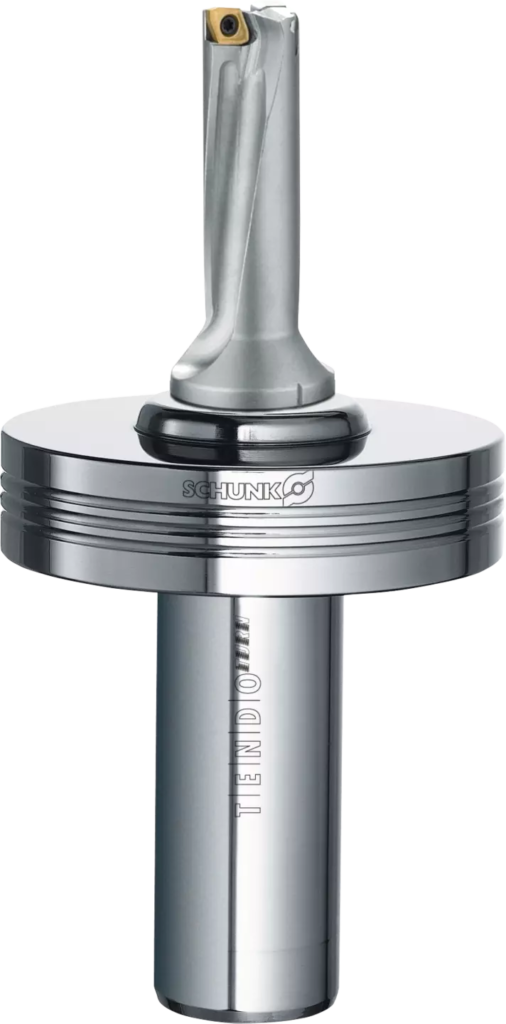
Key Components of Hydraulic Clamping Devices
To understand their reliability, it is important to look at the essential elements of hydraulic clamping devices:
- Hydraulic Cylinder
Converts fluid pressure into linear motion and clamping force.
- Pressure Source
Usually, a hydraulic pump or centralized hydraulic system supplies pressurized fluid.
- Clamping Mechanism
The physical element that grips or holds the workpiece, such as swing clamps, block clamps, or pull-down clamps.
- Control Valves
Regulate pressure, flow, and release of hydraulic fluid.
- Sealing System
Ensures leak-free performance and long service life.
Each component works together to provide precise, repeatable, and safe clamping performance.
How a Hydraulic Clamping Unit Works
The operation of a hydraulic clamping unit follows a straightforward cycle:
- Hydraulic pressure is applied through the system
- The cylinder extends or retracts based on the pressure direction
- Clamping force is applied evenly to the workpiece
- Pressure is maintained during operation
- The system releases pressure when unclamping is required
This controlled process ensures that workpieces remain securely positioned throughout machining or assembly, even during high-speed or heavy-load operations.
Advantages of Hydraulic Clamping Devices
The shift toward hydraulic clamping devices is driven by several performance advantages that directly impact productivity and quality.
Consistent and Repeatable Clamping Force
Unlike manual clamping, hydraulic systems apply the same force every cycle. This consistency improves machining accuracy and reduces scrap rates.
Faster Setup and Changeovers
A hydraulic clamping unit significantly reduces setup time. Multiple clamps can be actuated simultaneously, enabling rapid workpiece loading and unloading.
Improved Operator Safety
Hydraulic clamping minimizes manual intervention, reducing the risk of hand injuries and operator fatigue.
Compact and Space-Efficient Design
Hydraulic clamps provide high force in compact sizes, making them ideal for space-constrained fixtures and tooling setups.
Reduced Vibration and Movement
Stable clamping reduces micro-movements during machining, improving surface finish and tool life.
Types of Hydraulic Clamping Units
There are various types of hydraulic clamping units, each designed for specific industrial needs:
Swing Clamps
Used where unobstructed loading is required. The clamp swings into position and then applies downward force.
Block Clamps
Ideal for modular fixtures, offering strong side or top clamping.
Pull-Down Clamps
Secure workpieces by pulling them down onto a reference surface, ensuring high positional accuracy.
Power Clamps
Common in automotive and welding applications for fast and secure holding.
Each type of hydraulic clamping device serves a distinct purpose, allowing engineers to customize clamping solutions based on application requirements.
Read also: Benefits of CNC Workholding with a Vacuum Clamping System CNC Machine
Industrial Applications of Hydraulic Clamping Devices
The versatility of hydraulic clamping devices makes them indispensable across multiple industries.
CNC Machining and Tooling
In CNC milling, turning, and grinding operations, a hydraulic clamping unit ensures repeatable positioning and stability, enabling tighter tolerances and higher cutting speeds.
Automotive Manufacturing
Hydraulic clamping is widely used in body-in-white assembly, welding fixtures, and engine component machining, where speed and accuracy are critical.
Aerospace Industry
Aerospace components require extreme precision and reliability. Hydraulic clamping devices provide secure holding for complex and high-value parts.
Automation and Robotics
In automated production lines, hydraulic clamping integrates seamlessly with robotic systems, enabling synchronized and error-free operations.
Heavy Engineering and Fabrication
Large components and heavy loads benefit from the high force capabilities of a hydraulic clamping unit, ensuring safety and stability during processing.
Hydraulic vs Mechanical Clamping Systems
When comparing hydraulic clamping with traditional mechanical systems, the differences are clear:
Mechanical clamps rely on human force, making consistency difficult to achieve. Over-tightening or under-tightening can cause distortion or movement. In contrast, hydraulic clamping devices deliver controlled force every time, independent of the operator.
Additionally, hydraulic systems support automation and remote operation, while mechanical clamps often limit scalability in advanced manufacturing setups.
Maintenance and Reliability Considerations
Modern hydraulic clamping units are designed for long service life with minimal maintenance. Proper fluid quality, periodic seal inspection, and pressure monitoring are usually sufficient to ensure reliable performance.
Advanced sealing technologies and robust materials further enhance durability, even in harsh industrial environments.
Selecting the Right Hydraulic Clamping Unit
Choosing the correct hydraulic clamping unit depends on several factors:
- Required clamping force
- Workpiece geometry and material
- Space constraints
- Production volume and cycle time
- Level of automation
By carefully evaluating these parameters, engineers can select hydraulic clamping devices that optimize both performance and cost efficiency.

The Future of Hydraulic Clamping Technology
As smart manufacturing and Industry 4.0 continue to evolve, hydraulic clamping devices are becoming more intelligent. Integration with sensors, pressure monitoring, and digital control systems allows real-time feedback and predictive maintenance.
Energy-efficient hydraulic systems and hybrid electro-hydraulic solutions are also gaining traction, further improving sustainability and performance.
Conclusion
The hydraulic clamping unit has become a critical element in modern manufacturing, offering unmatched power, precision, and reliability. From CNC machining and automation to heavy engineering and aerospace applications, hydraulic clamping devices deliver consistent results while enhancing safety and productivity.
As industries demand higher accuracy, faster production, and smarter systems, hydraulic clamping technology continues to evolve to meet these expectations. Companies such as Schunk play a vital role in advancing innovative clamping solutions that help engineers and machinists achieve superior performance in demanding industrial environments.
