

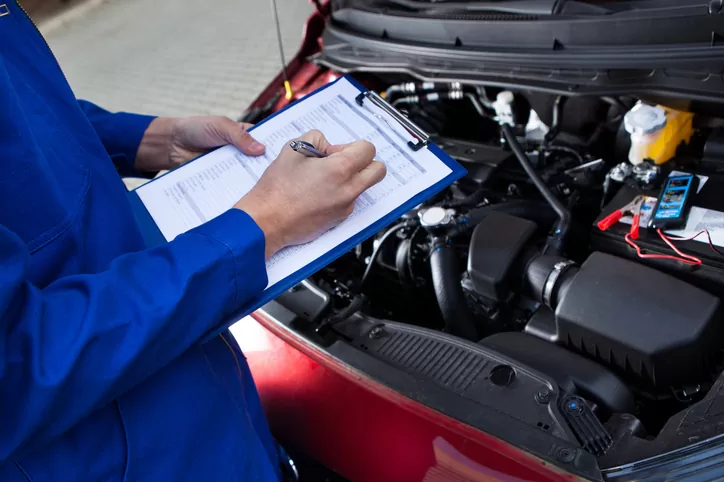
Learning how to read a car diagnostic setup can save you hundreds of pounds in garage bills. When your dashboard illuminates like a Christmas tree, it means your vehicle computer has detected specific vehicle error codes. Modern cars rely on standard OBD2 fault codes to pinpoint mechanical issues, ranging from loose fuel caps to complex engine misfires. You might also encounter sudden ABS warning light codes or a blocked DPF warning light, which diesel cars often show. Understanding these signals helps you decide whether to fix the issue at home or visit a local mechanic. This guide simplifies the process of reading, decoding, and clearing these common fault signals on UK roads.
Decoding the Language of Your Dashboard
Modern vehicles are essentially rolling computers packed with dozens of microscopic sensors. When a sensor detects an operational anomaly, it triggers a car diagnostic response inside the engine control unit. The system then illuminates a dashboard warning light to get your immediate attention. However, a single light can often represent dozens of different underlying mechanical issues. To find the exact problem, you must retrieve the hidden alphanumeric data string using specialised equipment. These codes act as a direct translator between your car and your repair manual.
How to Read Vehicle Error Codes
Extracting vehicle error codes requires a handheld scanner plugged into your vehicle’s universal access port. This 16-pin connection point is usually hidden underneath the driver-side dashboard or near the centre console. Once connected, the scanning device communicates directly with your car’s central computer network. The screen will display a series of five-digit formulas that reveal the exact failure location. Handheld scanners range from cheap Bluetooth dongles to professional workshop machinery used by roadside patrols. Knowing how to pull these files keeps you ahead of potential breakdown situations.
Breaking Down OBD2 Fault Codes
Every standard OBD2 fault code layout follows a strict, logical structure that describes a specific fault. The very first letter tells you which main vehicle system is currently experiencing a fault.
- P (Powertrain): Covers your engine, gearbox, fuel delivery, and ignition systems.
- B (Body): Includes interior features like airbags, electric windows, and climate control.
- C (Chassis): Monitors mechanical setups like suspension, steering, and anti-lock braking parts.
- U (Network): Highlights communication failures between different onboard computers.
The second digit shows whether the code is a generic global fault or manufacturer-specific. The final three numbers isolate the exact subsystem and circuit problem requiring mechanical attention.
Understanding Complex Braking and Filter Problems
Safety systems generate their own unique data strings, such as ABS warning light codes during winter driving. These specific chassis faults indicate that a wheel speed sensor is dirty or completely broken. If your anti-lock braking system fails, your car will lose its automated skid control assistance. Meanwhile, a glowing DPF warning light on diesel cars highlights soot accumulation in your exhaust system. This soot filter requires regular long-distance motorway driving to clean itself out completely through heat regeneration. Ignoring these safety warnings can lead to expensive component damage and an immediate MOT failure.
Choosing the Right Car Scan Tool Codes Reader
Finding the right machine to read car scan tool codes depends on your personal mechanical experience. Basic code readers simply display the raw fault number without offering much additional technical context. Mid-range diagnostic tools connect directly to smartphone apps to show live engine performance data streams. Premium professional tools offer bidirectional control, allowing you to test individual components from the driving seat. Investing in a decent scanner helps you perform a quick car diagnostic check at home. This preparation prevents garages from overcharging you for simple software resets and minor sensor replacements.
Turning Data into Successful Repairs
Acquiring a code is merely the first step towards fixing your car’s mechanical problem. You must research the specific code definition using online lookup databases or workshop manuals. Remember that a sensor code often means the mechanical part is failing, not just the sensor itself. For example, an oxygen sensor fault could indicate a physical air leak in your intake pipe. Always perform physical inspections of the wiring and surrounding pipes before buying expensive replacement parts. Clear the data logs after completing your repairs to see if the dashboard light stays off.
When to Call a Professional Garage
A basic car diagnostic scan might reveal complex issues that require expert workshop attention. If you pull codes related to internal gearbox timing or high-voltage hybrid batteries, call a professional. Clearing a fault code does not magically fix the underlying physical damage inside your engine block. Driving with active emissions faults can permanently damage your catalytic converter or exhaust particulate filter. A qualified UK mechanic has the specialist tools required to measure precise hydraulic pressures and electrical resistance. Use your home scanner as an educational guide rather than a total replacement for professional garage expertise.
Conclusion
Mastering your dashboard warning symbols helps you look after your vehicle more effectively over its lifespan. Regularly performing a DIY car diagnostic scan keeps you informed about developing engine and electrical faults early. This proactivity allows you to resolve minor sensor issues before they spiral into expensive workshop repair bills. Whether dealing with braking faults or emissions blockages, proper code translation gives you complete control over maintenance. Invest in a simple scanning tool today to keep your vehicle running safely on British roads.
FAQs
1. What is a standard car diagnostic test?
A car diagnostic check involves plugging a digital scanner into your vehicle’s onboard computer port. This process retrieves stored error codes that reveal hidden mechanical or electrical faults across various components. It allows car owners to identify engine issues before they cause a major roadside breakdown.
2. Where do I find vehicle error codes on my car?
You can read vehicle error codes by accessing the 16-pin OBD2 port under your dashboard. This connection point is typically located near the steering column or behind the plastic fuse box cover. A plug-in scanning tool will instantly display the active fault data on its digital screen.
3. Do all cars use the same OBD2 fault codes?
Most petrol cars built after 2001 and diesels after 2004 use standard OBD2 fault codes globally. While generic codes mean the same thing across all brands, manufacturers can also create unique custom codes. These specific codes require advanced scanning software to interpret accurately during a vehicle repair session.
4. Why did my ABS warning light codes turn on?
Active ABS warning light codes indicate a critical fault within your vehicle’s anti-lock braking system. This issue is usually caused by a snapped wire or a heavily fouled wheel speed sensor. You should have this looked at immediately because it directly compromises your emergency braking safety.
5. What triggers a DPF warning light in diesel cars?
A DPF warning light on diesel cars triggers when the exhaust particulate filter becomes dangerously blocked with soot. This problem happens frequently if the vehicle is only driven on short, low-speed urban journeys. Clearing it usually requires a sustained drive at motorway speeds to burn off the trapped carbon.
6. Can a cheap reader clear car scan tool codes?
Yes, most basic readers can clear car scan tool codes and turn off your check engine light. However, if you do not fix the underlying mechanical issue, the warning light will return quickly. Clearing the data simply resets the monitor status rather than repairing the physical vehicle fault.
7. Is it safe to drive with an active car diagnostic light?
You can usually drive short distances with a steady yellow car diagnostic light on your dashboard. However, if the warning light begins flashing rapidly, you must pull over and switch off the engine. A flashing light indicates severe engine misfires that can melt your expensive catalytic converter.
8. Can dirty engine oil cause vehicle error codes?
Yes, neglected engine oil can trigger various vehicle error codes related to variable valve timing systems. Thick, dirty oil blocks the tiny hydraulic passages that control your engine camshaft timing gears. Regular oil servicing is essential to keep these sensitive internal sensors working correctly.
9. How do I interpret complex OBD2 fault codes?
You can interpret OBD2 fault codes by breaking down the individual letters and numbers logically. The first letter identifies the affected system, while the remaining digits isolate the exact component group. You can then search this specific formula online to find step-by-step repair advice.
10. Do ABS warning light codes cause an MOT failure?
Yes, any active ABS warning light codes will result in an immediate automatic failure during your annual MOT test. UK safety regulations dictate that all dashboard safety lamps must function correctly and clear after engine startup. Resolving these braking faults before your test date keeps your vehicle legal.
