

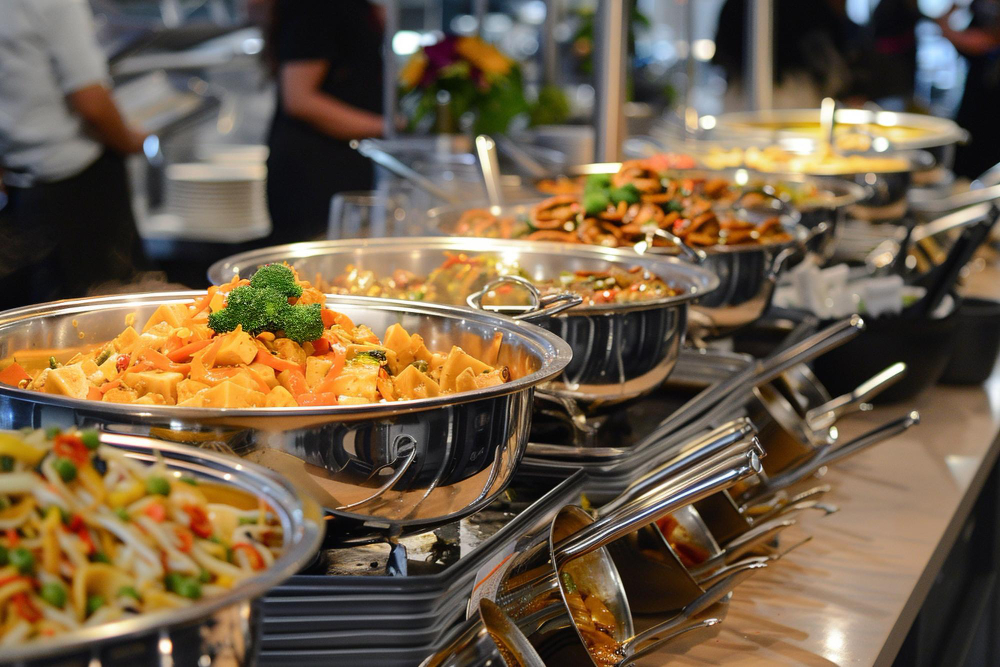
Selecting a beautiful setting for your celebration represents a major step in the planning process. Finding the right fit for catering services in Metro Manila requires checking the rules of your chosen property. A gorgeous ballroom can quickly lose its appeal if the food setup fails during the dinner hour. You can create a perfect pairing by assessing your space and kitchen needs together early.
Analyzing Available Kitchen Space and On-Site Equipment
Many modern celebration spaces do not include a fully functional kitchen area for food vendors. Some properties offer only a small holding room with minimal counter space and no running water. Your food team needs to know these facts before they build their daily preparation schedule. They must plan whether to cook the dishes completely at their central headquarters instead.
Other locations provide excellent cooking facilities including heavy-duty gas ovens and large industrial refrigerators. Sharing these facility details with your supplier saves time and reduces equipment rental costs significantly. The team can pack light if the facility already possesses necessary tools for heating dishes. Always request a detailed inventory list from the property manager during your first site visit.
Evaluating Electrical Outlets and Total Power Capacity
Food warming trays and coffee stations require a steady supply of electrical power to work correctly. Many older buildings or outdoor gardens do not have enough outlets to support multiple appliances. A sudden power outage can ruin the flow of your party and delay dinner service. You must verify the total wattage limits with the venue engineer before signing contracts.
Your food provider might need to bring portable generators if the location lacks sufficient power capacity. This extra step prevents overloaded circuits and keeps the lighting systems working without any dangerous interruptions. Discussing power needs early prevents unexpected technical fees from appearing on your final venue bill. It keeps your food hot and your guests comfortable throughout the entire night.
Navigating Strict Outside Vendor Restrictions and Penalty Fees
Several premium event halls maintain exclusive contracts with a very short list of accredited food suppliers. Rented properties often charge a steep corkage fee if you choose an unlisted business. These additional penalties can quickly drain your budget if you fail to read the fine print. You should always ask about vendor policies before paying your initial venue deposit.
Some managers completely forbid outside food operations due to insurance rules and safety regulations. Choosing an accredited partner usually simplifies your logistics because the team already knows the property rules. They understand where to unload heavy crates and how to navigate the service elevators efficiently. This familiarity reduces setup errors and ensures a smooth operational flow on your big day.
Coordinating Room Layouts and Guest Traffic Flow
The physical size of your function room determines how you should arrange the dining tables. A cramped room cannot accommodate a massive buffet setup without blocking the main walking paths. Long lines will form if guests do not have enough space to move around safely. You need to map out the floor plan with both managers.
A spacious hall allows for creative setups like multiple food stations or double-sided buffet lines. This smart positioning splits the crowd evenly and reduces the waiting time for hungry attendees. Your service team can move smoothly between tables to clear empty plates and refill drinks. Proper spacing creates a relaxing atmosphere where people can socialize without bumping into chairs.
Managing Strict Unloading Times and Tight Setup Windows
Busy city venues often host multiple parties within a single day or weekend. This high demand means your food team might get only two hours to prepare the room. A short setup window requires an organized crew that can work fast under pressure. You must communicate these precise timing rules to your supplier weeks in advance.
Delays during the unloading process can push back your entire party schedule and upset your guests. Ensure the property has a dedicated loading dock that remains clear of traffic during your slot. Your supplier can then assign extra staff to carry heavy items into the hall quickly. Clear scheduling prevents rushing and guarantees that the dining tables look perfect before doors open.
Assessing Waste Management and Final Clean-Up Rules
Every city municipality follows specific laws regarding garbage disposal and environmental protection. Many rental spaces require food suppliers to pack up their own trash after the party ends. Businesses face heavy fines if they leave dirty oils or food scraps in the facility sinks. You must understand who handles the final cleanup before the night finishes.
A responsible supplier will bring heavy-duty trash bags and clear the food preparation area completely. They will leave the property kitchen clean to protect your security deposit from being withheld. Confirming these cleanup duties prevents arguments between your food vendor and the property management team. It allows you to leave the party without dealing with an unexpected mess.
Key Takeaway
Matching your celebration space with the right food vendor requires careful attention to building logistics. Securing the right fit for catering services in Metro Manila keeps your party organized and within budget. Checking power limits, kitchen sizes, and trash rules prevents common problems from ruining your special dinner. Your gathering will succeed when your venue and food teams work together in harmony.
