

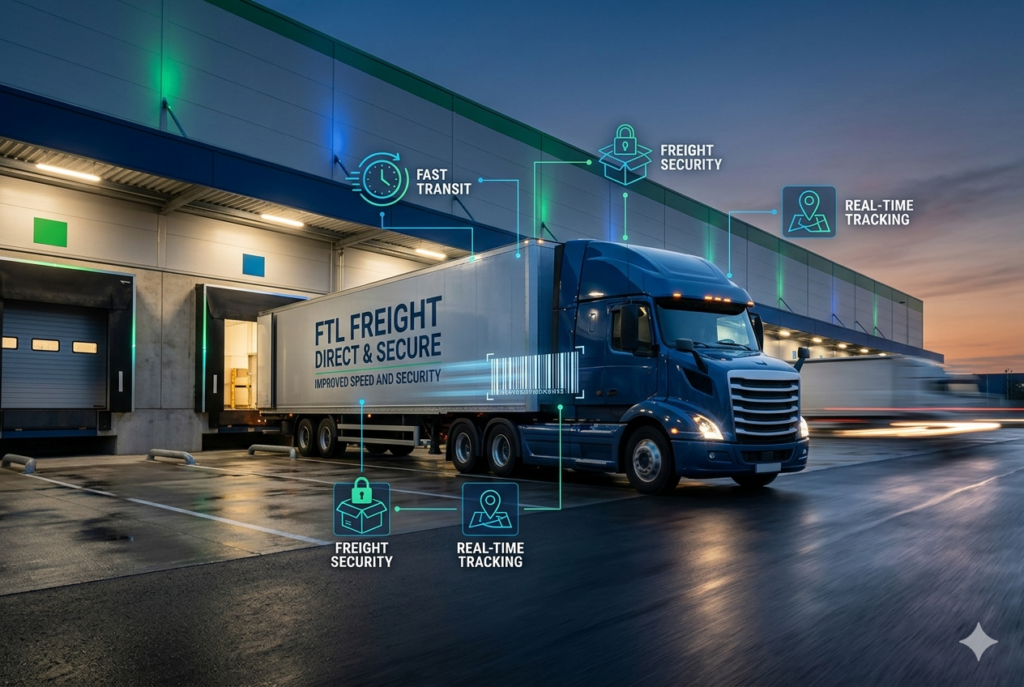
The global logistics landscape has undergone a massive transformation over the last several years. As supply chains become more complex and customer expectations for rapid delivery increase, businesses must find ways to move large volumes of goods with precision. This is where full truckload carriers play a pivotal role. Unlike other shipping methods that combine various smaller shipments into one vehicle, full truckload (FTL) transportation dedicates an entire trailer to a single shipper. This model provides distinct advantages in terms of speed, safety, and operational control.
For any enterprise dealing with high-volume inventory, understanding the mechanics of how full truckload carriers operate is essential. These providers serve as the backbone of the industrial and retail sectors, ensuring that raw materials reach factories and finished products hit the shelves without the delays often associated with fragmented logistics models. By focusing on a single destination, these carriers eliminate the need for sorting hubs and frequent unloading, which significantly reduces the risk of damage and transit time.
The Strategic Importance of Full Truckload Carriers in Modern Logistics
The fundamental definition of truckload shipping involves the movement of at least 10,000 pounds of freight or enough volume to fill a standard 48-foot or 53-foot trailer. According to Wikipedia, this method is preferred when the freight is large enough to fill a semi-trailer or when the shipper has enough freight to make the use of an entire truck more economical than other methods.
One of the primary reasons businesses prefer full truckload carriers is the reduction in touchpoints. In a less than truckload (LTL) environment, a single pallet may be moved on and off several different trucks before it reaches its final destination. Each time a piece of cargo is handled, the probability of an accident or clerical error increases. With full truckload carriers, the trailer is loaded at the point of origin, sealed, and then transported directly to the receiver. This “dock-to-dock” service is the gold standard for high-value or fragile goods.
Furthermore, the consistency offered by full truckload carriers allows for better scheduling. When a company hires a dedicated truck, they are not at the mercy of a carrier’s complex routing for other customers. The driver has one goal: to get that specific load to its destination within the agreed-upon window. This level of predictability is vital for “just-in-time” manufacturing, where a delay of even a few hours can result in a complete shutdown of a production line.
Financial Analysis: Cost-Effectiveness and Scaling
While the upfront cost of hiring full truckload carriers might appear higher than shipping a few pallets via LTL, the price per unit often drops significantly when the trailer is utilized to its full capacity. For companies moving large quantities, the economy of scale becomes the driving force behind their logistics strategy. Professional analysis from Forbes often highlights that supply chain resilience is built on these types of stable, high-capacity partnerships.
When evaluating the financial impact, one must consider more than just the freight rate. There are hidden costs in logistics that full truckload carriers help mitigate. For instance, the risk of “detention fees” at intermediate hubs is eliminated because there are no intermediate hubs. Additionally, the simplified nature of FTL billing—usually based on a rate-per-mile or a flat door-to-door fee—makes it much easier for accounting departments to forecast monthly shipping expenditures.
In many cases, businesses find that using full truckload shipping services allows them to negotiate better long-term contracts with providers. By guaranteeing a certain volume of loads per week, a shipper can lock in rates that protect them from the volatility of the spot market. This stability is a key competitive advantage, especially during peak seasons when shipping capacity is tight and prices tend to skyrocket.
Speed, Security, and Freight Integrity
The speed of full truckload carriers is perhaps their most marketable trait. Because the truck does not stop to pick up or drop off other orders, the only constraints on the delivery time are the driver’s legally mandated hours of service and the distance between the two points. For time-sensitive shipments, such as perishable food items or seasonal retail goods, this direct route is non-negotiable.
Security is another area where full truckload carriers excel. Once the trailer is loaded, it is typically fastened with a heavy-duty seal. This seal remains intact until the truck reaches the consignee. This process provides an audit trail that is nearly impossible to replicate in multi-stop shipping environments. For industries like pharmaceuticals or electronics, where theft and tampering are major concerns, the physical security of a dedicated truck provides peace of mind that justifies the investment.
Recent trends tracked by Google News suggest that the integration of real-time tracking technology is further enhancing this security. Most modern full truckload carriers now equip their fleets with GPS and telematics systems. These tools allow shippers to see exactly where their cargo is at any given moment. If a truck deviates from its planned route or stops for an unusual amount of time, automated alerts can notify the dispatcher and the customer immediately. This transparency has revolutionized the relationship between shippers and carriers, moving it from a “black box” model to one of total visibility.
Selecting the Right Full Truckload Carriers for Your Business
Choosing a carrier is not a task that should be taken lightly. The reputation of your business is often tied to the reliability of your logistics partner. When vetting full truckload carriers, there are several technical and operational factors to consider.
1. Equipment Standards and Diversity
Not all trailers are created equal. Depending on your product, you might need a standard dry van, a temperature-controlled reefer, or a flatbed. Top-tier full truckload carriers maintain a diverse and well-maintained fleet to accommodate various cargo types. You should inquire about the average age of their equipment; newer trucks are less likely to experience mechanical breakdowns that cause delays.
2. Safety Ratings and Compliance
In the United States, the Federal Motor Carrier Safety Administration (FMCSA) maintains records on carrier safety performance. It is crucial to partner with full truckload carriers that have high safety ratings and a clean record of compliance with federal regulations. This includes strict adherence to electronic logging device (ELD) mandates, which ensure that drivers are not exceeding their legal driving limits.
3. Geographic Reach and Capacity
Some full truckload carriers specialize in regional “short-haul” routes, while others are geared for “long-haul” cross-country treks. You must ensure that your carrier has a strong presence in the lanes you frequently use. A carrier with a large network can often find “backhaul” opportunities, which is the practice of finding a load for the return trip. This efficiency can sometimes lead to lower rates for the shipper.
4. Technological Integration
As mentioned previously, visibility is key. The best full truckload carriers offer online portals where you can track shipments, download bills of lading, and manage invoices. If a carrier is still relying solely on phone calls and paper logs, they may struggle to keep up with the demands of a high-speed supply chain.
The Future of Full Truckload Transportation
Looking ahead, the industry is poised for further disruption through automation and green energy. While fully autonomous trucks are still in the testing phases, driver-assist technologies are already making the roads safer for full truckload carriers. These systems can help with lane-keeping, automatic braking, and fuel optimization, which helps keep costs down for the end user.
Environmental sustainability is also becoming a priority. Many full truckload carriers are exploring the use of electric semi-trucks for shorter routes and renewable diesel for long-haul journeys. As corporate social responsibility (CSR) becomes a bigger factor in consumer purchasing decisions, companies will increasingly look for carriers that can help them reduce their carbon footprint.
The shift toward data-driven logistics is another trend that cannot be ignored. AI-powered algorithms are now being used by full truckload carriers to predict traffic patterns, weather disruptions, and even the best times for vehicle maintenance. This proactive approach to logistics minimizes downtime and ensures that the supply chain remains fluid even in the face of unexpected external challenges.
Conclusion: Maximizing Value with Strategic Carriers
The role of full truckload carriers in the modern economy is more critical than ever. By providing a direct, secure, and highly efficient means of moving large volumes of freight, these carriers enable businesses to scale their operations and meet the demands of a global marketplace. The benefits of reduced handling, faster transit times, and enhanced security make FTL shipping the preferred choice for companies that value the integrity of their cargo and the reliability of their schedules.
When you partner with professional full truckload carriers, you are not just buying a space on a truck; you are investing in a strategic partnership that can drive your business forward. Whether you are moving industrial machinery, consumer electronics, or bulk retail goods, the right carrier will provide the expertise and infrastructure needed to navigate the complexities of modern transportation.
If you are looking to optimize your logistics strategy and reduce the volatility in your supply chain, it is time to evaluate your current shipping methods. Consider how the speed and security of a dedicated truckload service can improve your bottom line. Contact a reputable logistics provider today to discuss your specific needs and discover how full truckload carriers can help you achieve your long-term business goals. Reach out now to request a comprehensive freight audit and see where your business can save time and money.
