

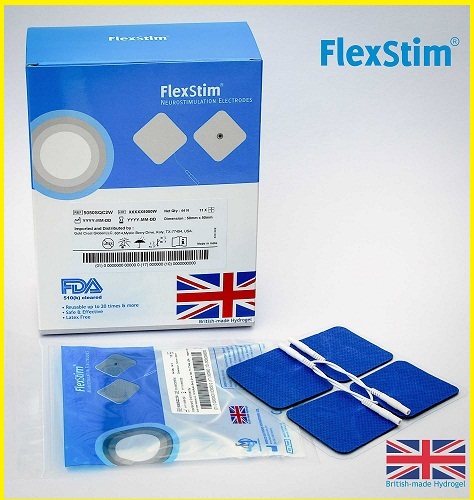
If you are discussing about TENS unit, consider it Transcutaneous Electrical Nerve Stimulation unit. It is a device that mostly folks employ to help in reducing and relieving the pain. You can find similar tools and stuff like tens patches and more. for now, have a look at its works.
Sends Electrical Signals
It simply sends small electrical pulses via the skin. These pulses get delivered by electrodes that are kept on the skin around the area where you are somewhat feeling pain. The electrical signals are somewhat mild and even are meant to stimulate the nerves beneath the skin.
Disturbing Pain Signals
The prime idea behind using a TENS unit is to simply disturb the pain signals travelling from the painful area to even the brain. Once the electrical pulses from the TENS unit reach the nerves, they can definitely interfere with the nerve signals that mostly send pain messages to the brain. Such a thing can aid in reducing the sensation of pain.
Endorphins release
Another way TENS units act is by boosting the body to produce endorphins. These are natural sorts of chemicals in the human body and these do work as painkillers. The electrical pulses from the TENS unit can aid in increasing the release of these endorphins, and that can further help in reducing pain.
Settings adjustment
TENS units possess various settings that you can adjust to suit your specific needs. These settings encompass the following:
- Intensity of the electrical pulses
- The frequency (like how frequently the pulses get delivered),
- The duration (like how long the pulses stay).
You can definitely personalize these settings to simply hunt what works best for you.
So, the point is simple, a TENS unit acts by sending electrical pulses to disturb the pain signals, endorse the overall endorphin release, and get you a customizable and non-invasive type of pain relief option. You can even find tens gel pads to apply and other things as per your requirements.
Why is the right leg not used as an electrode point in ECG?
You know in an Electrocardiogram or ECG, electrodes get used to record the electrical activity of a person’s heart. The placement of such electrodes is significant for gathering accurate readings. In a typical sense, the right type of leg does not get used as an electrode point in standard ECG setups. Of course, whether pediatric ecg electrodes or anything else, placements matter. Anyhow, here are a few things to know about the placement.
Reference Electrode Function
In the realm of an ECG, the right leg electrode is usually designated as a reference or ground electrode rather than simply an active recording point. Its prime role is to offer a stable reference point that aids in reducing electrical noise and interference from other sources. Such a thing helps ensure that the signals from the other electrodes are proper cle,ar and accurate.
Configuration of Standard Lead
The overall standard ECG setup encompasses specific lead configurations that are specifically designed to give a comprehensive view of the heart’s electrical activity. In a typical twelve-lead ECG, the leads get arranged to view the heart from diverse angles. The right leg does not really play a significant role in these specific lead placements because its work is mainly to stabilize the reference ground rather than simply capture active heart signals.
Dodging Electrical Interference
The right leg electrode, once used as a ground, aids in reducing electrical interference from external sources. This is significant because electrical noise can simply distort the ECG signals. By not making use of the right leg as an active electrode, the danger of picking up such interference is reduced, and it leads to more accurate readings.
So, the right leg does not get used in an electrode point in ECG because it works as a reference or even ground to drop the overall noise and interference, upkeep consistency, and promise accuracy. You can check out ECG Electrodes india and try it for yourself.
What are the problems encountered in the development of hydrogel patches?
You know Hydrogel patches get used in medical applications for healing the wound, drug delivery, and even other kinds of therapeutic purposes. These are formed up of water-based materials that offer a moist environment, helping in both healing and delivering medication. However, remember that developing hydrogel patches experience several challenges. Certainly, there is much that gets used, like defibrillation gel and but for now, read on the challenges it faces.
Feeble Mechanical Strength
Hydrogels are most of the time formed up of water, and that makes them soft and flexible. Though this is great for comfort, it even means they can conveniently tear or lose their shape. Diverse types of hydrogel patches lack the strength that is required to stay in place, mainly on moving parts of the body such as joints. Researchers are continually working to enhance the mechanical strength of hydrogels in the absence of making them too rigid or even uncomfortable.
Challenges in Drug Delivery Control
One of the prime uses of hydrogel patches is to simply deliver medicine to the body with time. However, controlling how much and even how quickly the medicine is released can be challenging. Some hydrogels are there that may release the drug too swiftly, while others simply release it too gradually. This sort of lack of precision can make it tough to ensure that the patient receives the right sum of medicine at the right time.
Dehydration with Time
Since hydrogels are made of a huge amount of water, they can dry out with time once exposed to air. This dehydration drops their effectiveness as a wound dressing or even a drug delivery patch. A dry hydrogel patch can definitely lose its flexibility, turn out to be uncomfortable, or be unable to stick to the skin. Finding diverse ways to upkeep moisture levels in hydrogels is definitely a major challenge in their development.
So, the thing is the development of hydrogel patches experiences challenges that you just read through. Overcoming these types of issues demand constant research and even innovation to boost their effectiveness, safety, and overall affordability. Whether these or even other things like electrode hydrogel and more needs to be more affordable.
