

Understand how MEWP certification helps improve safety, reduce risks, and ensure compliance in construction and industrial workplaces.
MEWP operator training and certification play a critical role in ensuring that operators can use elevated work platforms safely, efficiently, and in compliance with industry regulations. Whether you are an employer, contractor, or equipment operator, understanding the importance of MEWP training can help create a safer and more productive work environment.
This guide covers everything you need to know about MEWP operator training, certification requirements, benefits, and why investing in professional training is essential for modern workplaces.
What Is a MEWP?
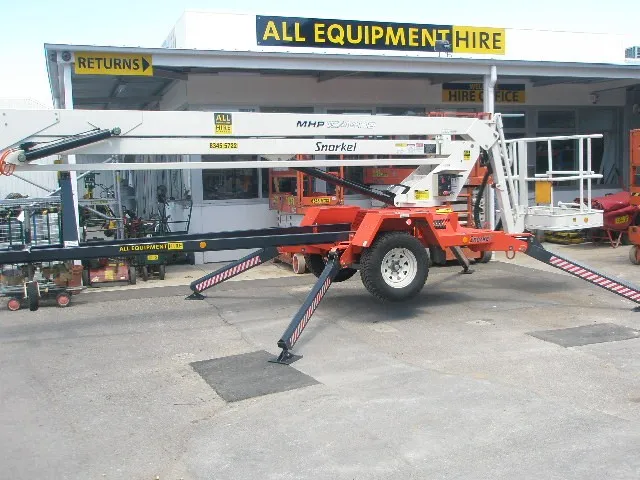
A Mobile Elevated Work Platform (MEWP) is a machine designed to lift workers, tools, and materials to elevated work locations. These platforms provide a safer alternative to ladders and are widely used across multiple industries.
Common types of MEWPs include:
- Scissor Lifts
- Boom Lifts
- Articulating Boom Lifts
- Telescopic Boom Lifts
- Vertical Mast Lifts
- Cherry Pickers
- Trailer-Mounted Platforms
MEWPs are frequently used for:
- Building construction
- Facility maintenance
- Electrical work
- Painting and decorating
- Warehouse operations
- Telecommunications projects
- Industrial inspections
Modern equipment hire companies provide a wide variety of access equipment to suit different job requirements, helping businesses complete projects more safely and efficiently. Access equipment such as boom lifts and scissor lifts are commonly available through professional equipment rental providers.
Why MEWP Operator Training Is Important
While MEWPs significantly improve safety when working at height, improper operation can lead to serious accidents. Falls, tip-overs, collisions, electrocution hazards, and equipment misuse remain common causes of workplace incidents involving elevated platforms.
Professional operator training helps workers understand how to identify hazards, assess risks, and safely operate equipment in different environments.
Regulatory Compliance
Many workplace safety regulations require employers to ensure operators receive proper training before using elevated work platforms. Failure to comply can result in penalties, legal liabilities, and increased workplace risks.
Increased Productivity
Trained operators can use equipment more effectively, reducing downtime and improving project efficiency.
Reduced Equipment Damage
Improper operation can result in costly repairs and equipment downtime. Training helps operators understand machine limitations and correct operating procedures.
Who Needs MEWP Certification?
MEWP certification is beneficial for anyone responsible for operating elevated work platforms.
This includes:
- Construction workers
- Electricians
- Maintenance technicians
- Warehouse personnel
- HVAC specialists
- Facility managers
- Telecommunications workers
- Contractors and subcontractors
Even experienced operators should participate in refresher training to stay updated with safety standards and technological advancements.
What Does MEWP Training Cover?
A quality MEWP operator training program combines theoretical learning with practical hands-on instruction.
Classroom Training
The theoretical portion typically includes:
Equipment Types and Applications
Operators learn about different categories of MEWPs and the situations in which each machine should be used.
Safety Regulations
Training covers workplace safety standards, employer responsibilities, and operator obligations.
Hazard Recognition
Participants learn to identify risks such as:
- Overhead power lines
- Uneven terrain
- Weather conditions
- Falling objects
- Restricted workspaces
- Pedestrian traffic
Risk Assessment
Operators are taught how to evaluate job sites before operating equipment.
Emergency Procedures
Training includes rescue plans, emergency lowering systems, and incident response procedures.
Practical Training
Hands-on training allows operators to gain real-world experience operating MEWPs safely.
Practical exercises generally include:
- Pre-start inspections
- Equipment setup
- Safe maneuvering
- Elevation procedures
- Platform positioning
- Load management
- Shutdown procedures
- Emergency controls
The combination of theory and practical assessment ensures operators develop both knowledge and confidence.
Understanding MEWP Certification
MEWP certification confirms that an operator has successfully completed training and demonstrated the competency required to operate elevated work platforms safely.
Certification programs generally involve:
- Theoretical instruction
- Written assessment
- Practical equipment training
- Hands-on competency evaluation
Upon successful completion, operators typically receive a certificate or proof of training that employers can use for compliance records.
Certification demonstrates an operator’s commitment to workplace safety and professional standards.
Benefits of MEWP Operator Certification
Obtaining certification provides advantages for both workers and employers.
Enhanced Career Opportunities
Many employers prefer certified operators when hiring for construction, maintenance, and industrial positions.
Better Safety Awareness
Certified operators develop stronger hazard recognition and risk management skills.
Reduced Workplace Incidents
Properly trained operators are less likely to be involved in accidents, reducing injury rates and project disruptions.
Increased Employer Confidence
Employers can assign tasks knowing operators have demonstrated the skills required to perform work safely.
Industry Recognition
Certification serves as evidence of professional competency and commitment to safety standards.
MEWPs and Demolition Projects
MEWPs are frequently used alongside various demolition and construction activities. During renovation, dismantling, and structural modification projects, elevated work platforms provide safe access to hard-to-reach areas.
When working with specialized Demolition Tools, operators often need elevated access equipment to safely remove structures, inspect damaged areas, and perform controlled demolition tasks.
Combining the right access equipment with professional operator training significantly improves job site safety and operational efficiency. Specialized demolition equipment and advanced tools are commonly used across construction and demolition projects to improve precision and productivity.
Choosing the Right Equipment Provider
Selecting reliable equipment is just as important as operator training. Reputable providers maintain their machinery according to industry standards and ensure equipment is ready for safe operation.
Companies offering All Equipment Hire solutions often provide a wide range of machinery, including elevated work platforms, earthmoving equipment, and specialized construction tools. Businesses benefit from working with providers that offer properly maintained equipment, technical support, and flexible rental options. Equipment hire companies across Australia commonly provide access equipment, earthmoving machinery, and specialized tools for construction and industrial projects.
For businesses seeking reliable access equipment and construction machinery, All Equipment Hire offers a variety of equipment solutions designed to support construction, maintenance, demolition, and industrial projects.
How Often Should MEWP Training Be Renewed?
Although certification periods may vary depending on workplace policies and local regulations, refresher training is strongly recommended.
Operators should receive additional training when:
- Certification expires
- New equipment is introduced
- Worksite conditions significantly change
- Unsafe operation is observed
- An accident or near miss occurs
Regular retraining helps reinforce safe work practices and ensures operators remain competent.
Employer Responsibilities
Operator training alone is not enough to create a safe work environment. Employers also play a key role in workplace safety.
Employer responsibilities include:
- Providing appropriate equipment
- Conducting risk assessments
- Verifying operator qualifications
- Maintaining equipment
- Establishing emergency procedures
- Promoting a strong safety culture
By combining trained personnel with proper equipment management, organizations can significantly reduce workplace hazards.
Final Thoughts
Mobile Elevated Work Platforms have transformed the way industries perform work at height. From construction and maintenance to industrial inspections and demolition projects, MEWPs provide safe and efficient access to elevated work areas.
However, the benefits of these machines can only be fully realized when operators receive proper training and certification. MEWP operator training equips workers with the knowledge, practical skills, and safety awareness necessary to operate equipment responsibly and effectively.
Whether you are an individual looking to advance your career or a business seeking to improve workplace safety, investing in MEWP operator training is a smart decision that delivers long-term benefits. Combined with reliable equipment providers, quality access solutions, and professional-grade Demolition Tools, trained operators help create safer, more productive, and more successful projects across every industry.
