

Studying in Australia opens the door to world-class education and, for many, a genuine pathway to long-term career growth. But before any offer letter turns into a boarding pass, applicants must clear one of the most scrutinised parts of the process: proving they have the funds to support themselves. Whether you’re applying for the Student Visa Subclass 500 or planning your next step toward the Temporary Graduate Visa Subclass 485, understanding the financial requirements early can be the difference between a smooth approval and a frustrating refusal.
Why Financial Proof Matters for the Student Visa 500
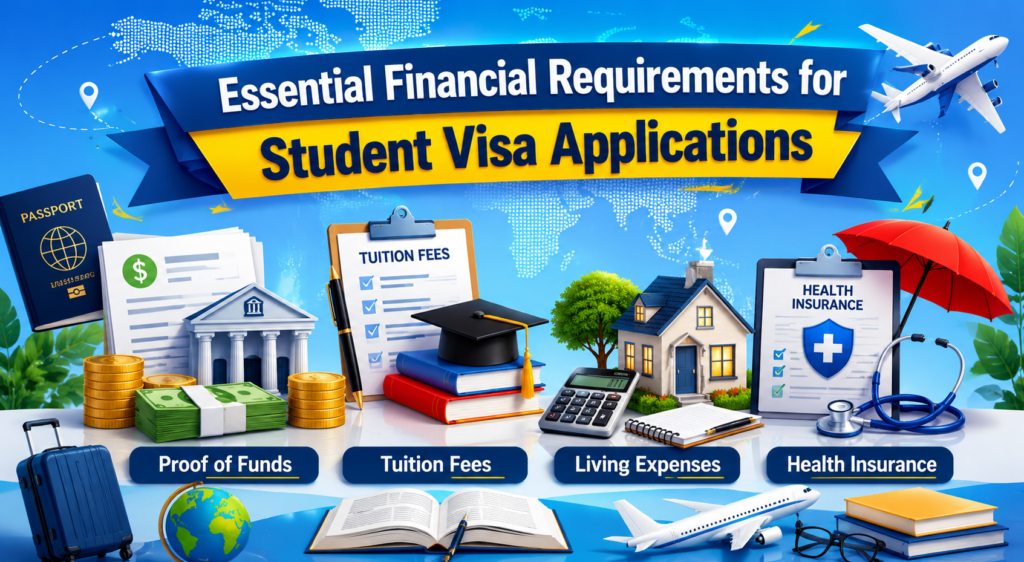
The Department of Home Affairs wants more than a tuition receipt — it wants evidence that you can live, study, and travel in Australia without financial strain. For the Student Visa 500, this means demonstrating access to funds covering living costs, course fees, and travel expenses for at least the first 12 months of your stay. As of 2026, the benchmark living-cost figure sits at AUD 29,710 for a single applicant, with additional amounts required for accompanying family members. These figures are reviewed periodically, so always verify the current threshold on the official Department website before lodging.
What Counts as Acceptable Evidence
Not all financial documentation is treated equally. Case officers generally look for:
- Bank statements showing funds held consistently over the past three to six months (sudden large deposits often raise red flags)
- Education loan approval letters from recognised financial institutions
- Scholarship confirmation letters detailing exactly what is covered
- Sponsor income evidence, such as tax assessments, if a parent or spouse is funding your studies
Consistency matters as much as the total amount. A tidy, well-documented financial history supports the broader “Genuine Student” narrative that now underpins every Subclass 500 decision.
Looking Ahead: From Subclass 500 to Subclass 485
Many students treat their Subclass 485 visa Australia application as a far-off concern, but smart planning starts earlier. The 485 Visa Australia pathway — formally the Temporary Graduate Visa — allows eligible graduates to live and work in Australia after completing their studies. While its financial requirements differ from the student visa, maintaining clean financial records throughout your course (steady savings, traceable income, no unexplained transactions) makes any future visa application, including the 485, far easier to support with credible evidence.
Common Mistakes to Avoid
- Relying on a single lump-sum deposit instead of demonstrated savings history
- Underestimating costs for dependants or regional living expenses
- Submitting outdated financial thresholds from old blog posts instead of current figures
- Failing to explain the source of funds clearly when sponsors are involved
Practical Tips for Applicants
- Start early — build your savings history at least three to six months before applying.
- Match your story — your financial profile should align logically with your course choice and study plans.
- Keep documents traceable — every dollar should have a clear, explainable origin.
- Reconfirm figures — financial benchmarks change, so check the latest amount before submission.
- Get a second opinion — a quick professional review can catch gaps before the Department does.
Final Thoughts
Meeting the financial requirements for a student visa isn’t just about hitting a number — it’s about presenting a credible, well-documented picture of your ability to study and live in Australia. Whether you’re preparing your initial Student Visa Subclass 500 application or mapping your route toward the Subclass 485, careful preparation now saves significant stress later.
If you’d like an expert set of eyes on your documentation before you lodge, a registered Migration Agent Perth can review your evidence of funds and help you avoid the common pitfalls that lead to delays or refusals.
