

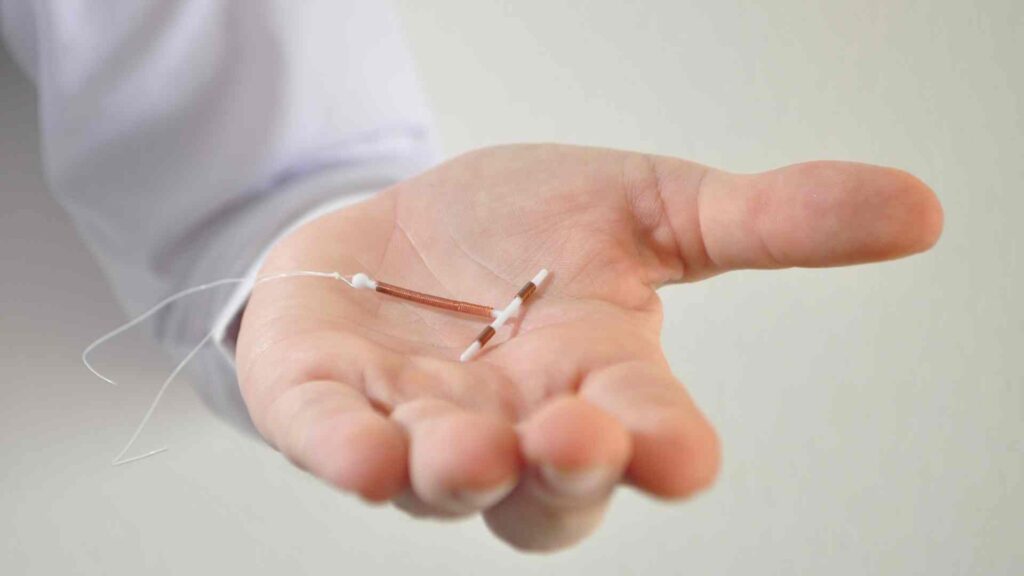
Contraception Treatment in Abu Dhabi has become a popular topic among women seeking more control over their reproductive health. Many women wonder if these treatments can help regulate their menstrual cycles, especially when faced with irregular or troublesome periods. Contraceptive options are not only used for preventing pregnancy but are also recognized for their ability to influence menstrual patterns, making life easier for many women. In Abu Dhabi, women are increasingly exploring how contraception can serve dual purposes—preventing pregnancy and promoting menstrual regularity.
How Contraception Treatment Works to Regulate Periods
The Role of Hormones in Menstrual Regulation
Contraceptive treatments primarily work by altering hormone levels in the body. They influence the natural hormonal cycle, which governs ovulation and menstruation. By introducing synthetic hormones such as estrogen and progestin, these treatments can stabilize hormonal fluctuations that often lead to irregular or heavy periods.
Types of Contraceptive Methods Used for Period Regulation
- Combined Hormonal Contraceptives: These include pills, patches, or vaginal rings that contain both estrogen and progestin. They help regulate periods by maintaining consistent hormone levels, often resulting in lighter, shorter, and more predictable cycles.
- Progestin-Only Methods: These include injections, implants, or progestin-only pills. They are especially helpful for women who cannot take estrogen and are known to help reduce heavy bleeding and irregular periods.
How Contraception Treatment Impacts Menstrual Patterns
Contraception can lead to various changes in menstrual patterns, such as:
- Making periods more regular
- Reducing the severity of heavy bleeding
- Shortening the duration of periods
- Sometimes causing periods to stop altogether in some women
The extent of these effects varies depending on the type of contraception used and individual hormonal responses.
Benefits of Using Contraception for Period Regulation
Improved Menstrual Regularity
Many women experience more consistent cycles, which can make planning daily activities easier and reduce anxiety about unpredictable bleeding.
Reduction in Menstrual Discomfort
Contraceptive treatments often help decrease menstrual cramps, headaches, and other discomforts associated with periods.
Lessened Menstrual Bleeding
Heavy or prolonged periods can be significantly reduced, leading to less anemia and fatigue.
Enhanced Quality of Life
With more predictable and manageable periods, women often find their overall well-being improves, and they can focus on their personal and professional lives without the stress of irregular cycles.
Factors to Consider When Opting for Contraception Treatment in Abu Dhabi
Individual Health Profile
Before starting contraception, a comprehensive health assessment is essential. Factors such as age, medical history, and lifestyle influence the choice of treatment and its effectiveness in regulating periods.
Types of Contraceptive Options Available
Women should discuss with healthcare providers the various options suitable for their needs, considering their menstrual goals and overall health.
Duration of Treatment
The length of time women choose to use contraception can impact how their periods are regulated and how their bodies adapt over time.
Monitoring and Follow-Up
Regular follow-up appointments are important to ensure that the contraception is working as intended and to address any concerns or adjustments needed.
Common Questions About Contraception and Menstrual Regulation
How soon can I expect to see changes in my periods after starting contraception?
Most women notice changes within a few cycles, with some experiencing more predictable and lighter periods shortly after beginning treatment.
Will my periods stop permanently with contraception?
Some contraceptive methods may lead to the absence of periods, especially with long-term use. However, this is usually reversible once the treatment is stopped.
Are there any lifestyle adjustments needed while on contraception?
While no major lifestyle changes are typically necessary, maintaining regular medical check-ups and reporting any unusual symptoms is advised for optimal results.
Can contraception treatment be used solely for menstrual regulation without pregnancy prevention?
Yes, many women use contraception primarily to regulate their periods, and pregnancy prevention can be an added benefit if desired.
Aftercare Tips for Women Using Contraception to Regulate Periods
- Follow the prescribed schedule diligently to ensure optimal results.
- Keep track of menstrual patterns to observe changes and discuss them with healthcare providers.
- Maintain a healthy lifestyle, including balanced nutrition and regular exercise, to support overall reproductive health.
- Report any unusual symptoms or concerns promptly during follow-up visits.
- Be patient, as it may take a few cycles to see the full effects of contraception on menstrual regulation.
Conclusion
Contraception Treatment in Abu Dhabi offers a promising solution for women seeking to regulate their periods. By stabilizing hormonal levels, these treatments can make menstrual cycles more predictable, reduce discomfort, and improve overall quality of life. Women considering contraception for menstrual regulation should consult healthcare professionals to find the most suitable method based on their individual needs and health profile. With proper guidance and monitoring, contraception can be a safe and effective way to gain better control over menstrual health and enjoy a more comfortable, predictable cycle.
READ MORE : When Should You Start Contraception Treatment ?
