

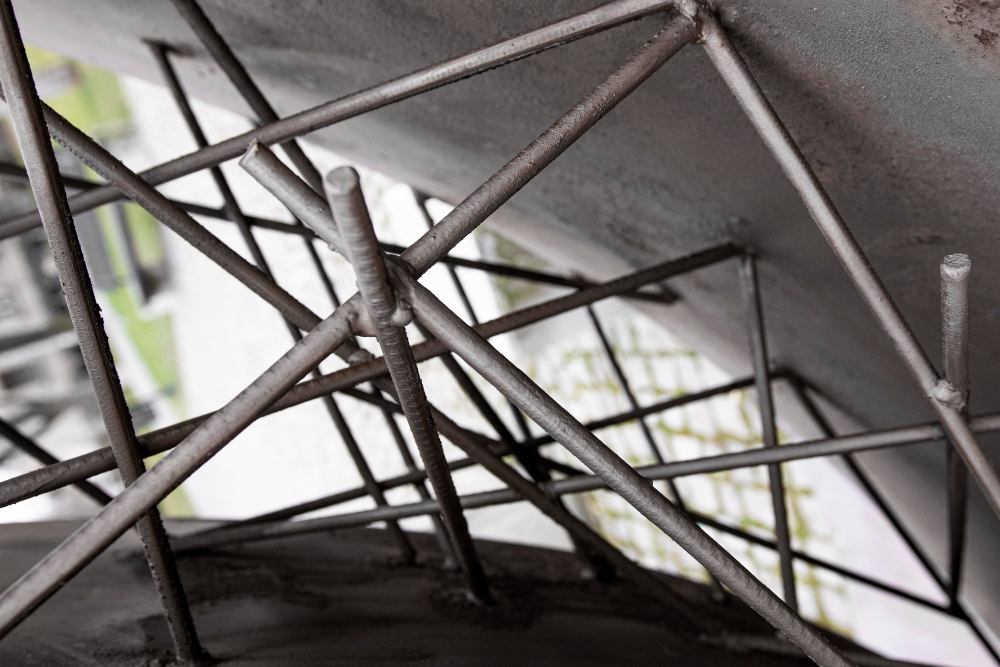
Construction companies now rely on digital tools to minimize errors and speed up the assembly of larger structures. Consequently, they’ve begun working with steel contractors in the Philippines that also use BIM. A technology that sets up a digital building model to show teams how each beam fits. This allows for a more organized workflow during every phase.
What is BIM in Steel Construction?
BIM stands for Building Information Modeling, which adds data and depth to every single structural metal component. For these specialized companies, this means creating a precise digital twin of the entire structural metal frame. These models provide a clear map that guides the workshop in cutting and drilling the steel with accuracy.
Why Does BIM Speed Up Project Timelines?
When the steel parts are modeled in 3D, the chances of parts not fitting together are greatly reduced. This preparation prevents the need for on-site modifications that often cause long delays and very expensive rework. Using these digital tools helps the crew move forward knowing that every piece will align as originally planned.
What is Structural Steel Detailing?
Structural steel detailing is the process of creating shop drawings that show the exact dimensions of every hole. Modern fabrication experts use specialized software to automate much of this detailing work with high levels of precision. These details act as the primary instructions for the machines and workers in the local fabrication plant.
Why is Precision Detailing Necessary?
Even a tiny error in the placement of a bolt hole can make a steel beam impossible to install. Accurate detailing through BIM helps every component arrive ready for immediate bolting without any extra manual adjustments. This efficiency keeps the heavy machinery moving constantly rather than waiting for parts to be fixed on site.
What is Automated Fabrication?
Automated fabrication involves using data from the 3D model to control robotic cutting and drilling machines safely. Many advanced metal builders now link their modeling software directly to these complex factory machines. This link creates a seamless flow of information from the designer’s computer straight to the industrial floor.
Why Link BIM to Fabrication?
Connecting the digital model to the production line helps the contractor produce hundreds of unique parts very quickly. This method also reduces material waste because the software calculates the most efficient way to cut each shape. Higher production speeds mean the metal frame of the building can be completed much earlier than traditional methods.
What is Conflict Detection?
Conflict detection identifies where two different parts of a building might try to occupy the same physical space. Expert builders use this to see if a structural column will block a ventilation duct or piping. Resolving these issues in the digital model is much cheaper than fixing them once the concrete is poured.
Why Resolve Conflicts Early?
Fixing a mistake on a computer screen takes minutes, while fixing it at the site takes weeks of labor. Early detection helps the project manager avoid the stress of sudden changes and the costs of wasted materials. This preventative step helps the project stay within the original budget and on the scheduled completion date.
What is 4D Construction Scheduling?
4D scheduling adds the element of time to the 3D BIM model to show when steel should arrive. Construction teams use this to visualize the step-by-step progress of the building over several weeks. This tool helps the site supervisor coordinate deliveries so the ground never becomes cluttered with unused beams.
Why is 4D Scheduling Helpful for Logistics?
Having a visual timeline helps the contractor manage the arrival of heavy trucks in crowded or tight areas. It helps the crew prepare the right tools for each stage before the metal materials even arrive. This level of organization helps the project flow smoothly without the chaos of various unscheduled supply deliveries.
How Do Contractors Share BIM Data?
Contractors use cloud platforms to share the 3D model with architects and other trade workers in real time. This allows the assembly teams to communicate instantly whenever a change is made to the overall design. Everyone involved in the project sees the same updated information, which prevents the use of any outdated plans.
Why is Real-Time Sharing Beneficial?
Instant communication helps the entire team stay on the same page and reduces the time spent in meetings. It helps workers at the site receive the latest instructions on their mobile devices as soon as possible. This connection helps the project maintain a steady pace and avoids the confusion of having conflicting instructions.
Key Takeaway
Through incorporating BIM technology, and assistance from steel contractors in the Philippines, finishing a project can be easily done. The combination of 3D modeling and real-time data sharing helps eliminate common mistakes that slow down traditional builds. Investing in these digital processes helps companies build a stronger and more efficient structure for the long term.
