

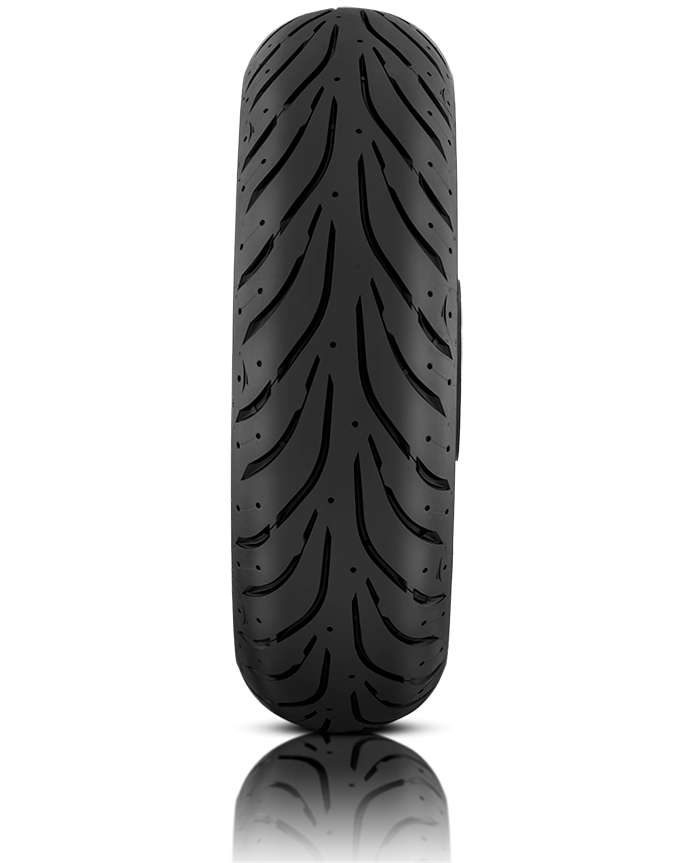
The evolution of two-wheeler technology has transformed not only engines and design but also one of the most critical components of riding performance—bike tyres. From daily commuters to high-performance motorcycles, tyre technology plays a decisive role in safety, comfort, fuel efficiency, and overall riding experience. Among the latest advancements, radial tyres have gained significant attention, raising an important question: are they truly the future of two-wheeler riding?
This guest post explores the fundamentals of modern bike tyres, the rise of radial tyres, and whether they are set to redefine how riders experience the road.
Understanding the Role of Bike Tyres in Two-Wheeler Performance
Bike tyres are the only point of contact between the motorcycle and the road. Their design directly impacts traction, braking efficiency, cornering stability, and ride comfort. Choosing the right tyre is no longer just about size or price—it’s about matching tyre technology to riding style and road conditions.
Traditional tyres have served riders well for decades, but with increasing traffic density, higher cruising speeds, and diverse road surfaces, the demand for advanced tyre performance has grown. This shift has paved the way for innovations such as tubeless construction and radial tyres.
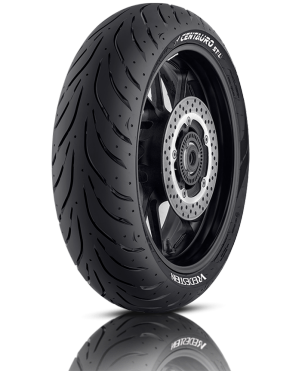
What Are Radial Tyres?
Radial tyres differ fundamentally from conventional bias-ply tyres in their internal construction. In radial designs, the tyre cords run perpendicular to the direction of travel, with additional steel or textile belts placed beneath the tread. This structure allows the tread and sidewalls to function independently.
In contrast, traditional bias-ply bike tyres have crisscrossed layers of cords, which makes the entire tyre flex together during motion.
This structural difference leads to noticeable performance advantages that are increasingly appealing to modern riders.
Key Differences Between Radial Tyres and Conventional Bike Tyres
To understand whether radial tyres are the future, it’s essential to compare them with conventional bike tyres across critical performance parameters.
Flexibility and Stability
Radial construction provides a flexible sidewall while keeping the tread area rigid. This combination enhances road grip and stability, especially at higher speeds.
Heat Management
Radial designs dissipate heat more efficiently. Lower heat buildup improves tyre lifespan and ensures consistent performance during long rides.
Ride Comfort
Thanks to their flexible sidewalls, radial tyres absorb road imperfections better, resulting in a smoother and more comfortable ride.
Cornering Confidence
Radial bike tyres maintain better contact with the road during lean angles, offering improved cornering stability—an essential feature for sport and touring motorcycles.
Why Radial Tyres Are Gaining Popularity in Two-Wheelers
Initially popular in cars, radial tyres have now found a strong foothold in the two-wheeler segment. Several factors are driving this shift:
1. Increasing Performance-Oriented Motorcycles
Modern motorcycles are faster, heavier, and more powerful than earlier models. Traditional bike tyres struggle to deliver consistent grip and stability at higher speeds, whereas radial technology excels in such conditions.
2. Improved Safety Standards
With growing awareness of road safety, riders are prioritizing better braking performance and grip. Radial tyres provide shorter braking distances and enhanced traction, particularly on highways.
3. Long-Distance Touring Trends
Touring and adventure riding are becoming increasingly popular. Riders covering long distances prefer bike tyres that offer durability, comfort, and fuel efficiency—areas where radial designs perform exceptionally well.
4. Advancements in Manufacturing Technology
Tyre manufacturers have significantly refined radial construction methods, making these tyres more accessible and reliable for everyday use.
Are Radial Tyres Suitable for All Two-Wheelers?
While radial tyres offer numerous advantages, they are not universally ideal for every motorcycle.
Best Suited For:
- Sports bikes
- Premium commuters
- Touring motorcycles
- High-speed highway riders
Less Suitable For:
- Entry-level commuter bikes
- Motorcycles designed specifically for rough rural roads
- Older models without compatible suspension geometry
Traditional bike tyres still hold relevance in cost-sensitive segments and for riders who primarily travel at moderate speeds on uneven terrain.
Maintenance Considerations for Radial Bike Tyres
Switching to radial tyres also requires riders to pay attention to proper maintenance to maximize benefits.
Correct Air Pressure
Radial bike tyres are sensitive to incorrect inflation. Maintaining manufacturer-recommended pressure ensures optimal grip and fuel efficiency.
Wheel Alignment and Balancing
Precise alignment is crucial for radial construction. Improper alignment can lead to uneven wear and reduced tyre life.
Suspension Compatibility
Radial tyres work best when paired with well-tuned suspension systems, allowing the tyre to perform as designed.
Cost vs Value: Are Radial Tyres Worth It?
One of the most common concerns riders have is cost. Radial tyres are typically more expensive than conventional bike tyres, but the value they offer often outweighs the initial investment.
- Longer tread life
- Better fuel efficiency
- Enhanced riding comfort
- Improved safety at high speeds
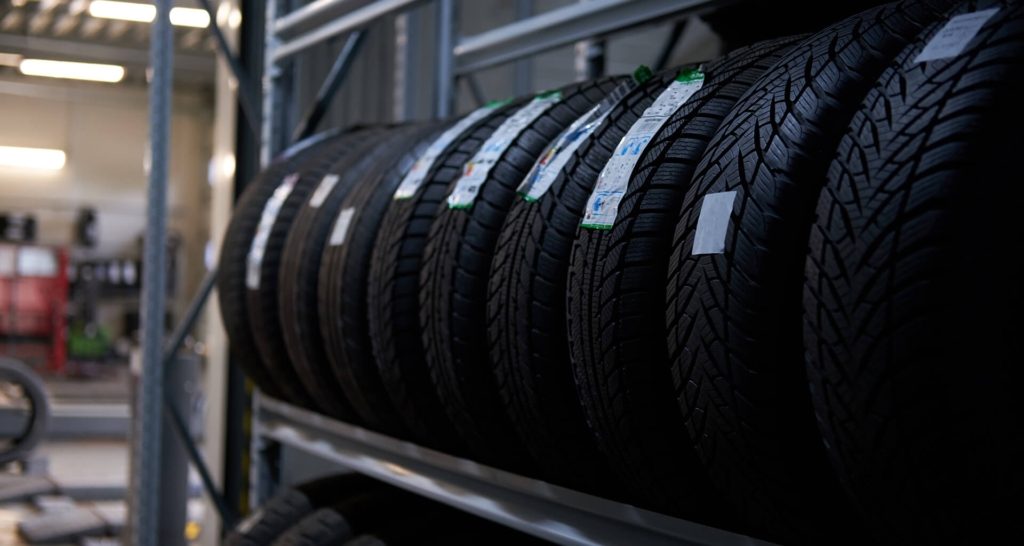
The Future of Bike Tyres: A Shift Toward Radial Technology
For riders who frequently travel on highways or prioritize performance, the long-term benefits make radial technology a cost-effective choice.
Looking ahead, the future of bike tyres appears closely tied to radial innovation. As motorcycle designs evolve and road infrastructure improves, the demand for high-performance tyres will continue to grow.
Manufacturers are increasingly developing radial options tailored for Indian road conditions, blending durability with advanced grip. Over time, as production scales and costs reduce, radial tyres are expected to become more common even in mid-range two-wheelers.
Conclusion
So, are radial tyres the future of two-wheeler riding? For performance-oriented, safety-conscious, and long-distance riders, the answer is a strong yes. While traditional bike tyres will continue to serve specific segments, radial technology represents the next step in tyre evolution—offering superior comfort, control, and confidence on the road.
As tyre innovation accelerates, trusted manufacturers like Vredestein Tyres continue to push boundaries by delivering advanced solutions that meet the evolving needs of modern riders. Whether you’re upgrading for performance or planning your next long ride, choosing the right tyre technology can redefine your riding experience.