
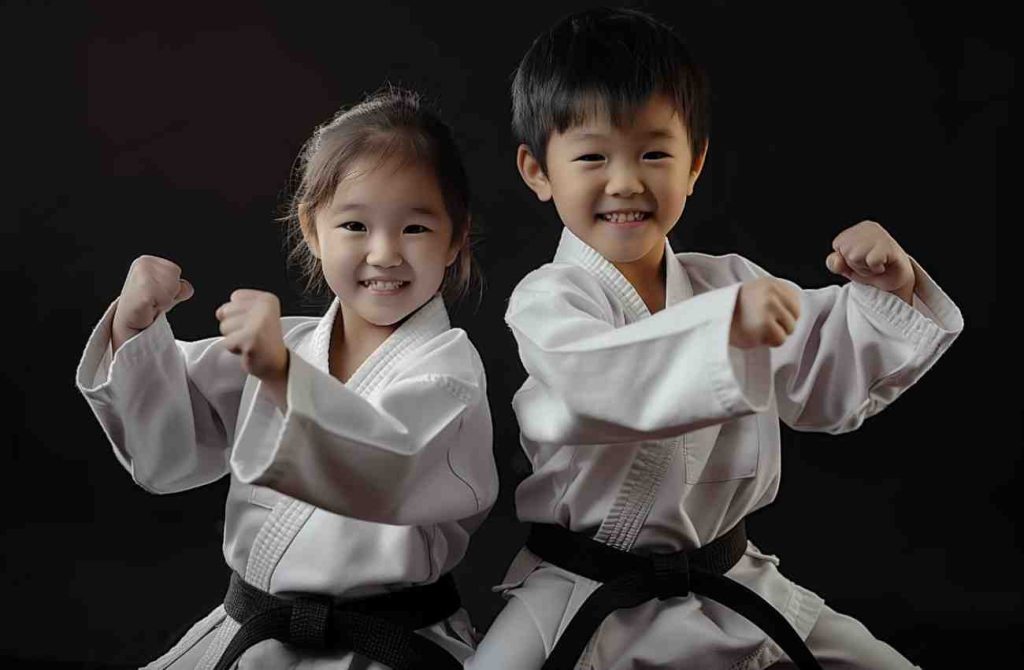
Martial arts is more than a form of physical exercise. It combines technical movement, mental focus, discipline, coordination, and personal development into a structured learning experience. For families searching for a meaningful activity, martial arts can provide age-appropriate challenges for both children and adults.
Whether someone is considering adult martial arts classes to improve fitness or exploring kids martial arts classes for a child’s development, the quality of instruction and training environment can make a significant difference. A well-designed Taekwondo program allows students to progress gradually while developing skills that can extend beyond the training floor.
Understanding the Value of Martial Arts Training
Martial arts requires students to coordinate multiple physical and mental processes at the same time. A simple kicking technique, for example, involves balance, posture, hip movement, timing, distance, and controlled recovery.
Students do not develop these abilities immediately. They learn through repetition, technical correction, and consistent practice. This creates a training environment where improvement can be observed over time.
Unlike a conventional workout where the primary goal may be burning calories or increasing strength, martial arts gives students specific skills to learn and measurable objectives to pursue.
Why Adults Choose Martial Arts
Adults often have different reasons for beginning martial arts. Some want to become more physically active, while others are interested in self-defense, flexibility, stress management, or learning a new discipline.
Adult martial arts classes can combine cardiovascular activity with technical training. Footwork drills, kicking combinations, forms, pad exercises, and controlled conditioning can challenge different muscle groups while improving coordination and mobility.
The learning aspect is equally important. Students must remember combinations, respond to instructions, and refine their technique. This mental involvement can make training more engaging than repetitive exercise routines.
Adults also benefit from having clear progression goals. Working toward improved technique or the next belt level provides a sense of purpose and encourages consistency.
Introducing Children to Martial Arts
Children learn differently from adults, which means their training should be designed around their developmental stage. Effective youth programs generally emphasize fundamental movement, listening skills, coordination, and positive behavior.
In kids martial arts classes, instructors can use structured drills and age-appropriate activities to teach basic stances, blocks, kicks, footwork, and forms. These techniques are introduced progressively so children can develop control before attempting more complex movements.
The classroom itself becomes part of the learning experience. Students practice waiting their turn, following instructions, working with partners, and respecting instructors and classmates.
Building Confidence Through Progress
Confidence is most meaningful when it develops from genuine achievement. Martial arts provides frequent opportunities for students to experience this process.
A child may initially have difficulty maintaining balance during a kick. After several weeks of practice, the same movement may become noticeably more controlled. An adult may struggle to remember a sequence before eventually performing it with greater precision.
These small improvements demonstrate the relationship between effort and progress.
Belt advancement can reinforce this idea, but the belt itself should not be the only measure of success. Better balance, improved technique, increased focus, and greater consistency are equally important indicators of development.
Developing Discipline and Focus
Martial arts training requires students to remain attentive. They must listen to instructions, watch demonstrations, remember sequences, and execute techniques correctly.
For children, these habits can help introduce the concept of structured discipline. They learn that arriving prepared, paying attention, and practicing consistently can influence their progress.
Adults encounter similar challenges. Maintaining a regular training schedule requires commitment, particularly when professional and family responsibilities compete for time.
Over time, martial arts can become a routine that encourages consistency and personal accountability.
Physical Conditioning and Technical Skill
Taekwondo training can provide a comprehensive physical workout without reducing the activity to conditioning alone.
Warm-ups can prepare muscles and joints for movement, while flexibility exercises support range of motion. Footwork and stance drills develop balance and stability. Kicking combinations challenge coordination and lower-body control.
Technical accuracy is especially important. Generating power is not simply a matter of using force. Efficient technique involves correct body alignment, weight transfer, hip rotation, timing, and controlled recovery.
Students gradually develop these qualities through repeated practice and instructor feedback.
Martial Arts and Self-Defense Awareness
Many families become interested in martial arts because they want to understand basic self-defense principles. Responsible instruction should emphasize safety, awareness, and avoidance rather than encouraging confrontation.
Students can learn how to recognize potentially unsafe situations, maintain appropriate distance, communicate confidently, and seek assistance when necessary.
Physical techniques should be introduced according to the student’s age and experience. Partner drills should be supervised carefully, with emphasis on control and respect.
This approach helps students understand that martial arts ability comes with responsibility.
The Family Advantage
A family-oriented martial arts environment can create benefits beyond individual training. When parents and children participate in the same martial arts community, they can encourage one another and celebrate progress together.
Jeong’s Family Taekwondo reflects the idea that martial arts can support multiple generations within a structured training environment. Each student can work toward personal goals while benefiting from a community built around respect, effort, and continuous improvement.
Parents can also gain insight into their children’s development by observing how they respond to challenges, corrections, and new responsibilities.
How to Choose a Quality Martial Arts Program
Choosing the right school requires more than looking at class schedules. Families should consider the instructor’s qualifications, teaching approach, curriculum, safety practices, and overall environment.
For children, parents should look for instructors who understand age-appropriate communication and maintain clear classroom expectations. Students should be challenged without being placed under unnecessary pressure.
Adults may want to determine whether beginner-friendly instruction is available and whether experienced students have opportunities for continued technical development.
It is also worth asking about progression systems, partner exercises, equipment requirements, and how the school approaches physical contact.
Long-Term Benefits of Consistent Training
Martial arts becomes increasingly valuable when students view it as a long-term journey. Skills are developed gradually, and each level introduces new technical and personal challenges.
Children can build habits related to focus, patience, respect, and responsibility. Adults can maintain physical activity while continuing to learn and improve.
The transferable nature of these skills is one of the strongest reasons families choose martial arts. Learning to remain patient when a technique is difficult can influence how a student approaches academic or professional challenges. Learning to accept constructive feedback can improve communication and personal growth.
Conclusion
Martial arts provides a unique combination of physical training, technical education, mental concentration, and character development. While children and adults may enter the training environment with different goals, both can benefit from consistent practice and progressive instruction.
For adults, adult martial arts classes can provide an engaging approach to fitness, self-defense awareness, and lifelong skill development. For younger students, kids martial arts classes can support coordination, confidence, discipline, and respectful behavior.
With an experienced instructional team and a structured curriculum, Jeong’s Family Taekwondo can offer families an environment where students are encouraged to learn, improve, and develop skills that remain valuable well beyond their martial arts journey.