

USB data recovery has gained significant attention in recent years as more people rely on portable storage devices for personal and professional use. From pen drives to external storage devices, USB technology is everywhere—but so are the risks of data loss. Whether due to accidental deletion, corruption, or compatibility issues, recovering lost files has become a necessity rather than a luxury.
One of the key reasons behind the growing demand for USB data recovery is the wide variety of devices that use USB connections. Sometimes, files stored on one device may not be easily accessible on another. In such cases, advanced recovery techniques can help retrieve important data efficiently.
What is USB Data Recovery?
USB data recovery refers to the process of retrieving lost, deleted, or inaccessible data from USB storage devices. It is commonly used by both individuals and businesses when critical data is accidentally lost or damaged.
What makes this process intriguing is how it works. Data isn’t always completely erased from a USB drive—it often remains hidden until overwritten. Specialized software tools scan the device at a deep level to locate and restore these hidden files. However, such tools can be complex and sometimes expensive, especially when dealing with severe data loss scenarios.
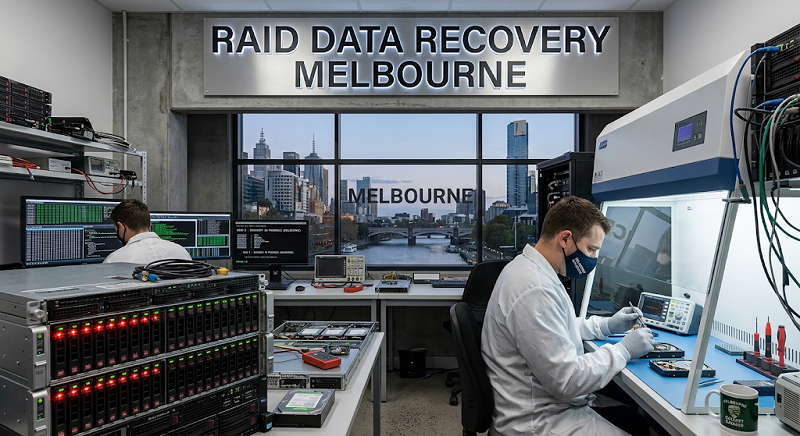
The cost factor is another mystery. High-quality recovery software or professional services may charge premium prices due to the complexity of the process. In advanced cases, such as raid data recovery melbourne, experts use sophisticated techniques to recover data from complex storage systems, which further adds to the cost.
Recovery time is also unpredictable. While small recoveries may take minutes, larger or more damaged storage devices can take hours or even days to fully restore.
The Mysterious Facts
There are several lesser-known facts about USB data recovery that many people overlook:
- Different USB Types: USB devices come in multiple formats such as standard USB, micro USB, and USB-C, each with unique structures and compatibility factors.
- Recovery from Damaged Drives: Even physically damaged or corrupted USB drives can sometimes be recovered using advanced tools and professional expertise.
- Formatted Drives Aren’t Empty: Formatting a USB drive doesn’t always erase the data completely. In many cases, files remain recoverable until overwritten.
These facts highlight how complex and fascinating the data recovery process truly is.
Useful Tips and Common Mistakes
When dealing with USB or SSD data loss, avoiding common mistakes can significantly improve recovery success:
- Always Back Up Your Data: Regular backups are the safest way to prevent permanent loss.
- Stop Using the Drive Immediately: Continued use can overwrite recoverable data.
- Avoid DIY Fixes for Serious Issues: Attempting to repair corrupted drives without proper knowledge can worsen the problem.
- Use Trusted Recovery Solutions: Whether software-based or professional services, always choose reliable options.
For complex storage systems or business-critical data, services like raid data recovery melbourne offer specialized solutions to handle advanced recovery scenarios safely.
Conclusion
Although USB data recovery may seem mysterious, it is a well-developed process supported by advanced tools and expertise. From recovering deleted files to restoring data from damaged or formatted drives, the possibilities are broader than most people realize.
If you ever face data loss, acting quickly and choosing the right recovery approach is essential. Professional services can provide reliable solutions, ensuring your valuable data is restored safely—no matter how complex the situation.