

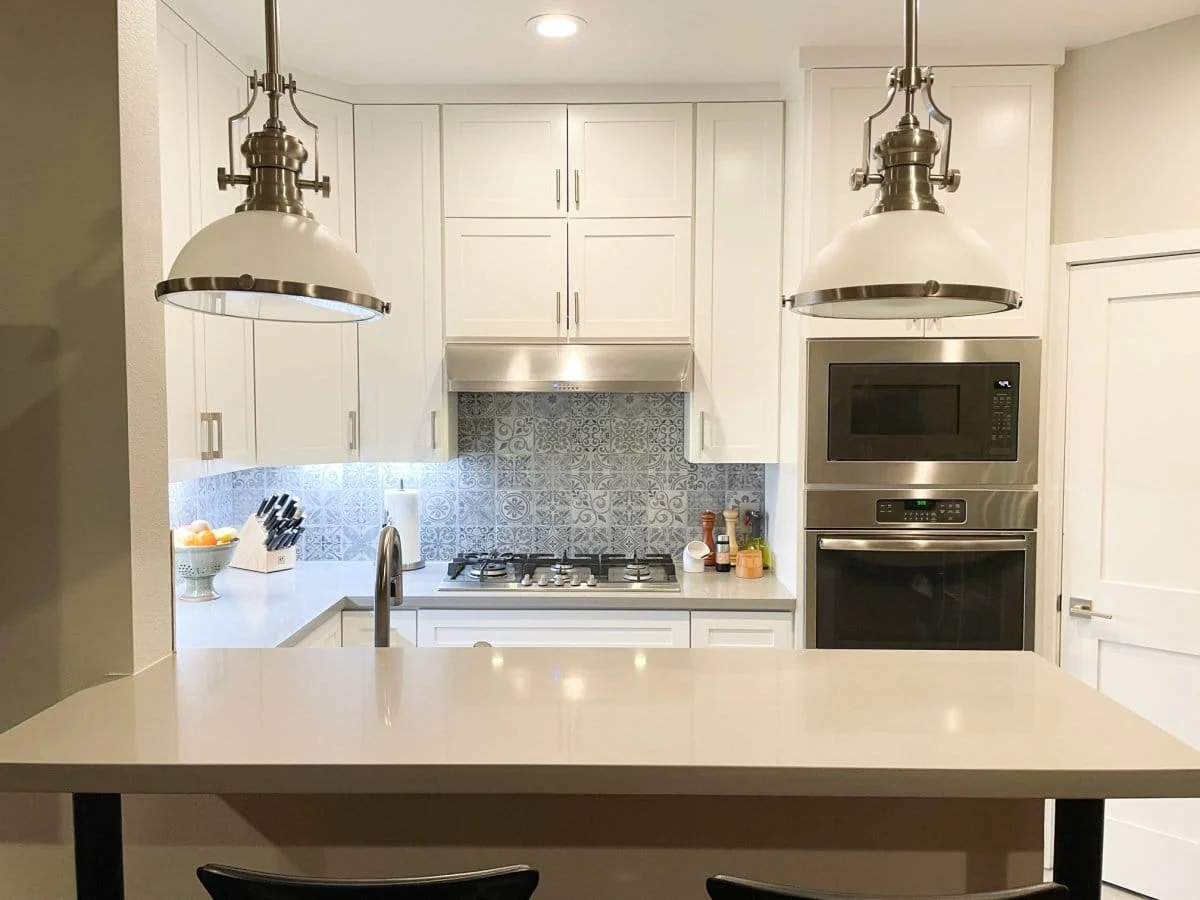
A 30-inch under-cabinet hood is a common ventilation choice for compact and standard kitchens because it fits beneath existing cabinetry while helping remove smoke, steam, grease, and cooking odours. It works well above many 30-inch ranges and cooktops, especially where space is limited. When choosing an under cabinet hood 30 inch range hood, homeowners should compare airflow, ducting options, filters, installation space, noise, and cleaning needs.
Space-Saving Kitchen Ventilation
Under-cabinet hoods are designed to mount below wall cabinets directly above the cooking surface. This placement saves wall space and keeps ventilation close to the source of smoke and steam. It is especially useful in kitchens where cabinetry already exists and a large wall-mounted chimney hood would not fit.
Retail listings show many 30-inch under-cabinet range hoods designed for standard kitchen layouts. These hoods are commonly available in ducted, ductless, and convertible styles. This gives homeowners flexibility based on whether the kitchen can vent air outdoors or must recirculate filtered air indoors.
Matching Hood Width to Range Size
The hood width should generally match or slightly exceed the cooking surface width. A 30-inch hood is often paired with a 30-inch range, which is one reason this size is widely used in residential kitchens. Proper width helps capture rising cooking fumes before they spread across cabinets and walls.
Before buying an under cabinet hood 30 inch, homeowners should measure the cabinet opening, range width, available height, and depth from the wall. A hood that is too shallow may not capture front-burner smoke well. A hood that is too tall may reduce clearance above the cooking surface or conflict with cabinet doors.
Airflow and Fan Speeds
Airflow is measured in CFM, or cubic feet per minute. Higher CFM means the hood can move more air, but the right airflow depends on cooking habits. Light cooking may require less airflow, while frying, searing, and frequent use of multiple burners may require stronger ventilation.
Some 30-inch under-cabinet hoods are listed with 600 CFM, 900 CFM, or even higher airflow options depending on design and motor capacity. Other 30-inch under-cabinet models may have lower ratings such as 230 CFM, 350 CFM, or 380 CFM, showing that performance varies widely across products. Multiple fan speeds are helpful because they allow users to adjust ventilation based on the amount of smoke or steam produced.
Filter Types and Cleaning
Filters are important because they collect grease and particles before air moves through the hood. Metal mesh filters and baffle filters are common in ducted hoods, while ductless hoods also need charcoal filters for odour control. Metal filters may be washable, but charcoal filters usually need replacement.
Some ductless wall-mounted hoods include permanent metal filters and carbon filter kits for recirculating installation. Other ductless models note that carbon filters may last up to 6 months depending on use. For an under cabinet hood 30 inch, regular cleaning is necessary because clogged filters reduce airflow and may increase noise.
Noise and Lighting
Noise level matters because a loud hood may discourage regular use. Fan speed, motor type, duct design, and installation quality all affect sound. A hood with multiple speeds lets users run a lower setting for simmering and a higher setting for heavy smoke.
Lighting is another useful feature. Built-in LED lights improve visibility over the cooktop and help with food preparation. Many modern range hoods include LED lighting, touch or button controls, and multiple fan speeds. These features improve everyday usability, especially in kitchens with limited task lighting.
Installation Checks Before Buying
Before purchase, homeowners should confirm cabinet width, available mounting height, electrical access, duct opening location, and whether rear or top venting is needed. If ductless operation is planned, the correct carbon filters or recirculating kit should be included or available separately.
An under cabinet hood 30 inch should also leave enough clearance above the cooking surface according to product instructions and local code requirements. Measuring carefully before ordering helps avoid installation delays, cabinet modifications, and ventilation problems.
Conclusion
A 30-inch under-cabinet hood can provide practical ventilation while preserving cabinet space and fitting many standard kitchen layouts. Whether comparing an under-cabinet model or a wall mounted ductless range hood, homeowners should focus on proper fit, reliable filtration, and ventilation performance. The best choice depends on range size, cooking habits, airflow needs, filter type, duct access, and installation space.