
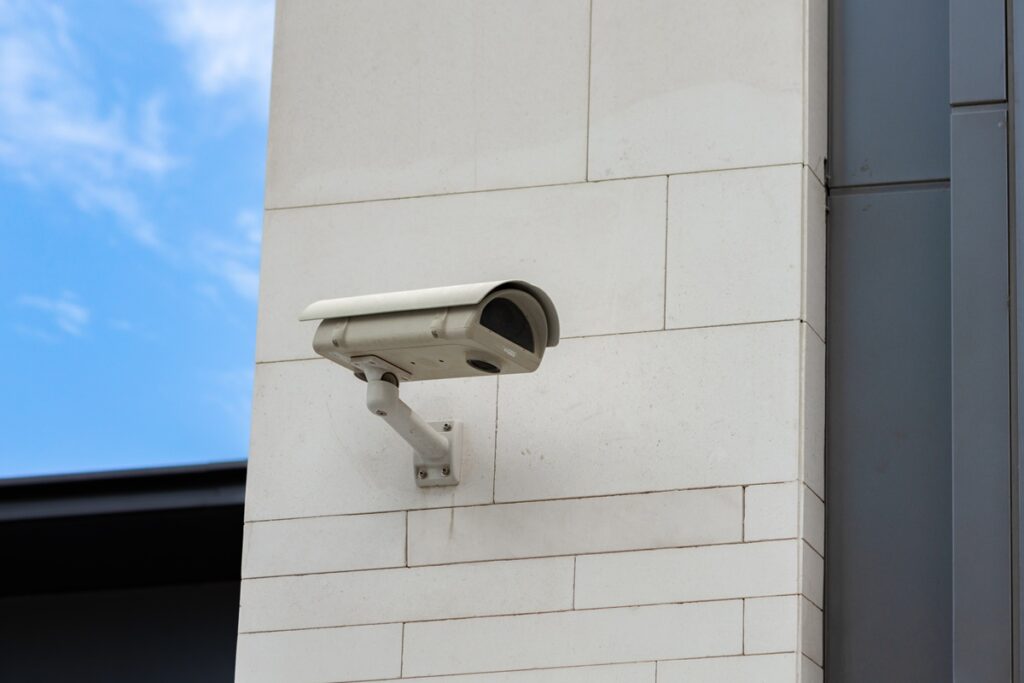
Security cameras used to mean grainy footage reviewed only after something had already gone wrong. Modern CCTV has moved far beyond that passive role, now combining artificial intelligence, remote connectivity, and real-time alerts to actively prevent incidents rather than just record them. For homeowners and businesses alike, understanding what today’s smart CCTV systems can actually do makes it clear why they’ve become a central part of modern security planning rather than an afterthought.
How Smart CCTV Differs From Traditional Systems
Beyond Simple Recording
Traditional CCTV systems captured footage to a local recorder, useful mainly for reviewing incidents after the fact. Smart CCTV systems, by contrast, actively analyse footage in real time, identifying movement, people, vehicles, and unusual activity as it happens rather than waiting for someone to review the tape later.
The Shift to Connected, Intelligent Security
Modern CCTV is built around connectivity, linking cameras to mobile apps, cloud storage, and smart home or business systems. This shift means security isn’t confined to an on-site monitor anymore; it travels with the user wherever they are.
Key Features of Modern Smart CCTV Systems
AI-Powered Motion and Object Detection
Rather than triggering alerts for every passing shadow or moving branch, smart CCTV uses AI to distinguish between people, vehicles, animals, and irrelevant motion, dramatically reducing false alarms while still catching genuine security events.
Facial Recognition and Person Identification
Some advanced CCTV systems can recognise familiar faces, distinguishing between household members or known staff and unidentified visitors, allowing for more targeted alerts rather than a notification for every single movement detected.
Real-Time Alerts and Remote Monitoring
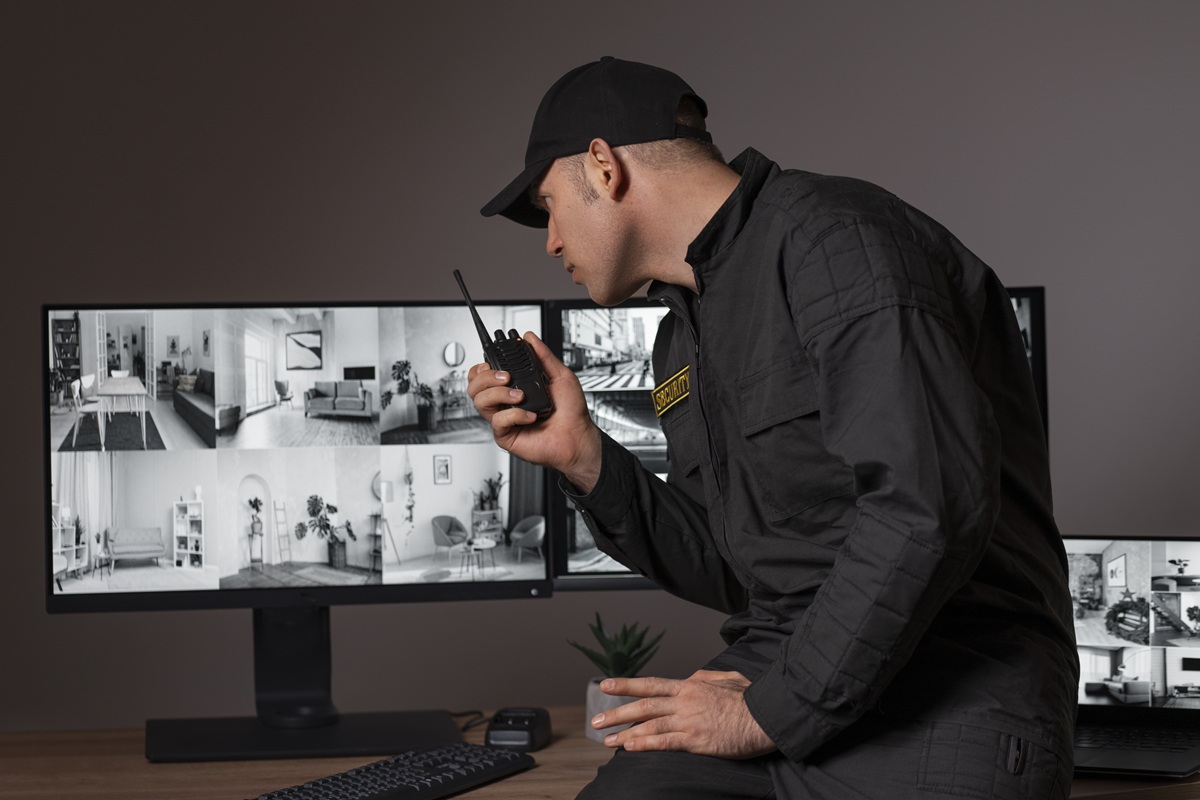
Smart CCTV sends instant notifications to a phone or connected device the moment something significant is detected, allowing users to view live footage remotely and respond immediately, whether that means checking in on a delivery or contacting authorities.
Common Smart Alert Triggers
- Motion detected in a defined zone after hours
- An unfamiliar face at the door
- A vehicle entering a driveway or car park
- Package detection at an entryway
Cloud Storage and Remote Access
Footage stored in the cloud removes the risk of losing recordings if a physical device is damaged, stolen, or tampered with, while also allowing authorised users to review footage from anywhere with an internet connection.
Benefits of Upgrading to Smart CCTV
Proactive Rather Than Reactive Security
Because smart CCTV can alert users the moment something suspicious happens, it shifts security from a reactive tool, useful mainly for investigating incidents after the fact, to a proactive one capable of prompting immediate action.
Reduced False Alarms
AI-based filtering means fewer unnecessary notifications, making it far more likely that real alerts actually get attention rather than being dismissed after repeated false triggers from older, less discerning systems.
Integration With Broader Security Systems
Modern CCTV often integrates with alarm systems, smart locks, and lighting, allowing coordinated responses, such as lights automatically switching on when motion is detected after dark, or footage automatically saving when an alarm is triggered.
Choosing the Right Smart CCTV System
Assessing Coverage Needs
The right setup depends heavily on the specific space being protected. Entry points, driveways, and blind spots around a property typically need the most attention, while internal cameras may be more relevant for larger commercial premises.
Resolution and Image Quality
Higher resolution cameras capture more usable detail, particularly important for identifying faces or number plates clearly, though this needs to be balanced against storage capacity and bandwidth requirements for continuous recording.
Weatherproofing for Outdoor Cameras
Outdoor CCTV cameras need to withstand rain, heat, and general environmental wear over years of continuous use, making weatherproof ratings an important factor rather than an afterthought when selecting outdoor-facing units.
Smart CCTV for Homes vs Businesses
Residential Applications
For homes, smart CCTV commonly focuses on entry points, driveways, and package delivery areas, often paired directly with a smartphone app for quick, convenient monitoring by homeowners.
Commercial and Business Applications
Businesses typically require broader coverage, including internal areas, stockrooms, and parking facilities, often combined with more advanced analytics like people counting or after-hours activity monitoring across multiple connected sites.
Privacy and Data Considerations
Storing Footage Responsibly
Because smart CCTV often relies on cloud storage, it’s important to choose systems with strong encryption and clear data handling policies, protecting footage from unauthorised access.
Balancing Security With Privacy
Camera placement should be thoughtfully planned, particularly in shared or public-facing spaces, to maintain effective security coverage while respecting the privacy of neighbours, employees, or visitors within view of the cameras.
Final Thoughts
Smart CCTV has transformed security from a passive recording tool into an active, intelligent system capable of detecting, alerting, and helping prevent incidents in real time. For homes and businesses alike, the combination of AI-driven analysis, remote access, and integration with broader security systems makes modern CCTV one of the most effective investments available for genuine peace of mind.