
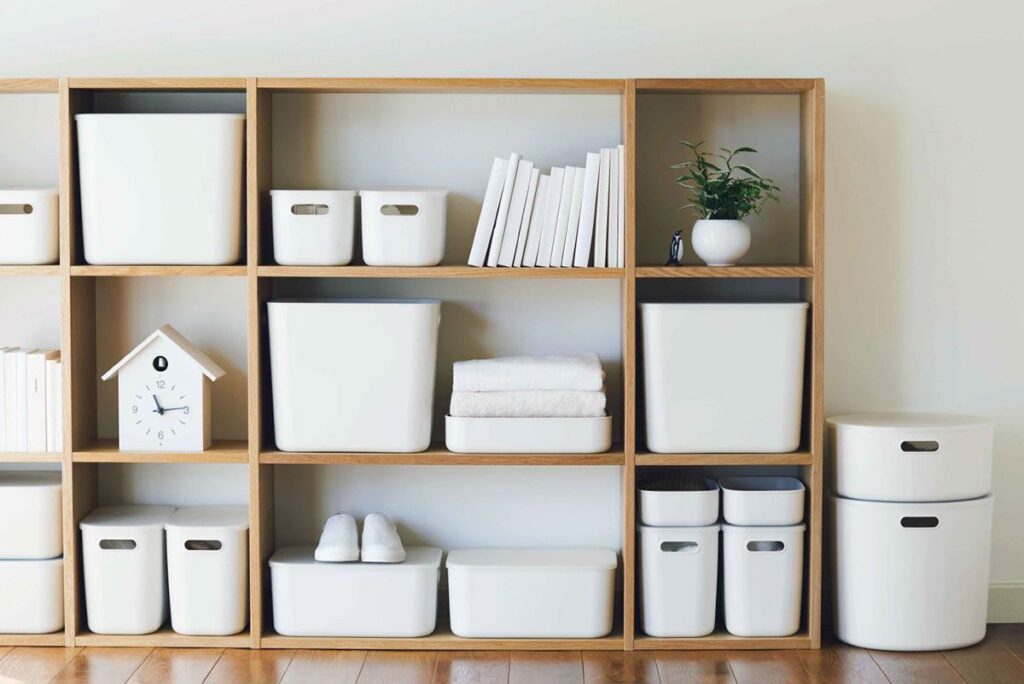
Households often accumulate more belongings than they have space to store. Furniture, appliances, seasonal items, books, kitchenware and personal possessions can gradually make a home feel crowded. Moving to a smaller house, renovating a property or travelling for an extended period can make the problem even more difficult. In such situations, storage for household goods can provide a practical way to keep belongings safe without getting rid of items that may still be useful. Professional storage facilities offer dedicated spaces where household possessions can remain organised until they are needed again.
However, choosing a storage facility requires some planning. The size of the space, security, storage conditions, accessibility and handling services should all be considered before making a decision. Comparing the services, facilities and customer support offered by the best storage unit companies can also help you choose a suitable option for your household belongings.
When Do You Need Household Storage?
There are several situations where additional storage space can be useful. Moving homes is one of the most common reasons. Your new home may not be ready when you need to leave your current property, creating a temporary need for extra space. Home renovation is another situation. Furniture and appliances may need to be moved away from construction work, dust and accidental damage.
Storage can also help when family members move away for education or work, when you are downsizing, or when you need space for seasonal belongings. Instead of filling garages, balconies or spare rooms, you can keep less frequently used items in a dedicated storage facility.
What Household Items Can Be Stored?
The items accepted by storage facilities can vary, so it is important to check the provider’s rules before moving anything. Common household belongings may include:
- Sofas, chairs and tables
- Beds and mattresses
- Cupboards and wardrobes
- Refrigerators and other appliances
- Books and household documents
- Clothing and seasonal items
- Kitchen equipment
- Home décor and furnishings
- Boxes containing personal belongings
Some items may require special storage conditions. Fragile furniture, electronics and important documents should be packed appropriately before they are moved into storage.
How to Prepare Household Goods for Storage
Good preparation can help reduce the risk of damage during storage. Start by cleaning everything properly. Dust, food particles and moisture left on belongings can create problems over time. Furniture should be cleaned and covered with suitable protective material. Fragile items should be wrapped individually and placed in strong boxes. Avoid overfilling boxes because excessive weight can damage both the items and the packaging.
For appliances, clean and dry them completely before storage. If possible, keep their doors slightly open where appropriate to allow ventilation. Always follow the manufacturer’s storage recommendations for specific appliances.
Choose the Right Storage Unit Size
Selecting the correct unit size can help you avoid paying for unnecessary space. At the same time, overcrowding a small unit can make it difficult to access your belongings and may increase the risk of accidental damage. Create a list of everything you plan to store before choosing a unit. Estimate how much floor and vertical space the items will require.
If you are unsure about the size, ask the storage provider for guidance. Reputable facilities can often suggest an appropriate space based on the type and quantity of belongings you have.
Look for Good Security Measures
Security should be one of the first things to consider when comparing home storage units. Your belongings may remain at the facility for several weeks or months, so the premises should have appropriate security arrangements. Look for features such as CCTV surveillance, controlled access and secure entry systems. Ask how visitors and customers are monitored and whether access to individual storage areas is restricted.
It is also worth checking whether the facility has procedures for handling emergencies. Fire-safety equipment and other preventive measures can provide additional protection for stored belongings.
Consider the Storage Environment
Security is important, but the physical storage environment matters just as much. Household items can be affected by dust, moisture, pests and extreme temperature changes. A clean and well-maintained facility can help protect furniture, electronics, clothing and other possessions. Ask how frequently the premises are cleaned and whether pest-control measures are carried out. Items should also be stored off the floor where appropriate. Proper organisation can help reduce exposure to moisture and make the stored belongings easier to access.
Check Accessibility Before Choosing a Facility
Think about how often you may need your belongings. If you are storing items that you will not need for several months, occasional access may be enough. However, if you are storing business equipment, household essentials or items needed regularly, convenient access becomes more important. Ask about the facility’s access timings and retrieval process. Some providers may also offer pickup and delivery services, which can make storage more convenient when you cannot visit the facility yourself.
Conclusion
Household storage becomes easier when you plan what needs to be stored and how those belongings should be protected. Cleaning items, using suitable packaging, choosing the right unit size and maintaining an inventory can help prevent avoidable problems. Security and storage conditions should also be checked before selecting a facility. Whether you are moving, renovating, downsizing or simply running out of space at home, professional storage can give you a convenient place to keep your belongings.
Take time to compare facilities, understand their terms and check how access and retrieval work. A suitable storage facility should offer more than extra space. It should provide an organised environment where your household belongings can remain protected until you are ready to bring them home.
Avati Safe Storage offers convenient storage options for household belongings in Bangalore. Its organised facilities are designed to help customers store furniture, appliances, personal possessions and other household items safely. With features such as CCTV monitoring, professional handling and convenient pickup and retrieval support, Avati can make household storage simpler during moves, renovations and other life transitions.