
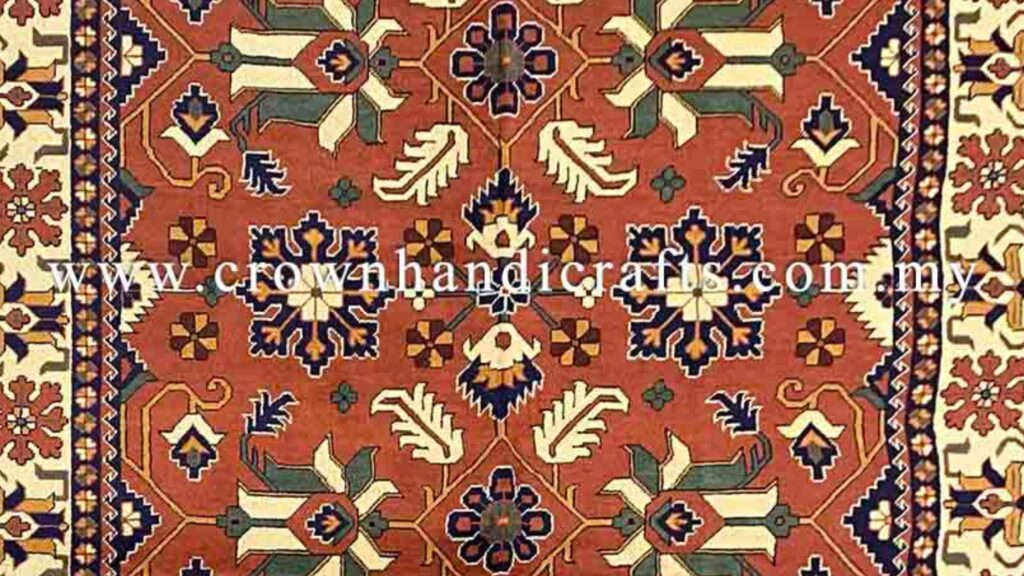
The right rug can bring together furniture, colours, and décor while giving a room a distinctive finishing touch. For homeowners and interior designers in Malaysia, traditional floor coverings offer a way to introduce rich patterns and detailed craftsmanship into both classic and contemporary spaces. Persian carpets are especially valued for their artistic designs, quality materials, and long connection with traditional weaving.
What Makes Persian Carpets Unique?
Persian carpet weaving has a long history connected with different regions of Iran, including Fars, Kashan, Kerman, and Isfahan. Each weaving centre developed its own patterns, colours, materials, and techniques. These regional characteristics continue to influence the appearance and identity of traditional Persian designs.
UNESCO recognises traditional carpet-weaving skills in Fars and Kashan as Intangible Cultural Heritage. The craft includes processes such as preparing wool, spinning fibres, dyeing materials, preparing designs, and weaving carpets. These skills have traditionally been passed from one generation to another.
Materials Used in Persian Carpet Weaving
The material used in a carpet affects its texture, appearance, durability, and maintenance requirements. Traditional Persian weaving commonly uses wool, cotton, and silk.
Wool remains one of the most widely associated materials because it can provide a comfortable texture and good resilience. Cotton is often used in the foundation or structure of the carpet, while silk may be incorporated into finer or more decorative designs.
Traditional carpet production has also used natural dye sources to create distinctive shades. Materials such as madder, indigo, walnut skin, and pomegranate skin have historically contributed to the colour palettes found in regional weaving traditions.
Why Choose Persian Carpets for Malaysian Homes?
Interior styles across Malaysia include modern apartments, contemporary houses, classic residences, and commercial spaces. This variety makes traditional carpets useful for creating contrast and adding character without changing the entire room.
A Persian Carpet can help define a living-room seating area, add detail to a bedroom, or create a decorative focal point in a formal space. Rich patterns can work particularly well with neutral furniture, while softer designs can complement rooms that already contain decorative elements.
When selecting a carpet, consider the room size, furniture placement, existing colours, and expected foot traffic.
How to Choose the Right Persian Carpet
Start by measuring the area where the carpet will be placed. The correct size should work with the furniture arrangement and leave enough space for comfortable movement.
Colour is another important consideration. Traditional Persian designs may feature floral motifs, medallions, vines, borders, geometric shapes, and other decorative elements. Kashan weaving traditions, for example, are known for motifs involving flowers, leaves, branches, animals, and historical themes.
The carpet’s construction and material should also match its intended use. A frequently used living room may require a more durable option, while a decorative carpet in a low-traffic area can focus more heavily on intricate detailing.
Persian Carpets for Modern Interior Design
Traditional patterns can create an attractive contrast against modern furniture. A detailed carpet can add visual interest to a minimalist room, while a more subtle design can blend naturally with traditional or contemporary décor.
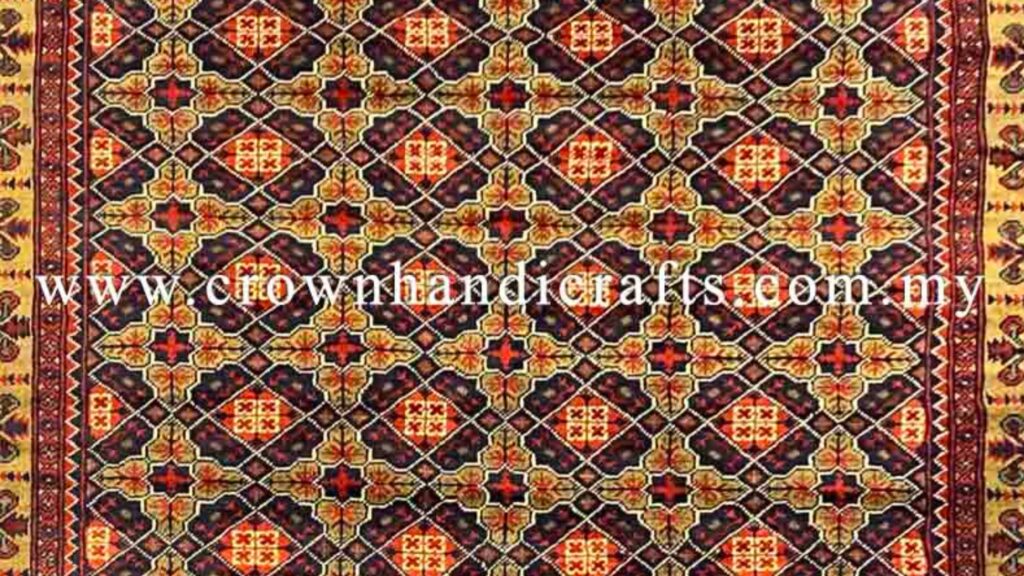
Balance is important when using patterned floor coverings. If the room already contains bold furniture, artwork, or curtains, a calmer carpet design may create a more coordinated appearance. In a neutral room, a detailed Persian design can become the main decorative feature.This flexibility makes Persian carpets suitable for many Malaysian interior styles.
Caring for Persian Carpets
Proper maintenance can help preserve the appearance and condition of a carpet. Gentle, regular cleaning can remove everyday dust and debris, while spills should be treated promptly using methods suitable for the carpet’s material.
Excessive moisture should be avoided, especially in humid environments. Strong chemicals or unsuitable cleaning equipment may damage fibres or affect colours.
For valuable, handmade, antique, or delicate carpets, professional cleaning is often a safer choice. Rotating the carpet periodically can also help distribute wear more evenly when the room layout allows it.
Find Persian Carpets in Malaysia
Selecting a carpet should involve more than choosing an attractive pattern. Size, material, construction, colour, room function, and maintenance requirements all deserve attention.
For customers searching for Persian Carpets in Malaysia, Crown Furniture & Carpets offers a collection suitable for different interior styles and spaces.
Final Thoughts
Persian carpets bring together traditional craftsmanship, distinctive regional designs, quality materials, and artistic detail. Their cultural heritage gives them a character that goes beyond ordinary floor décor. With the right size, pattern, material, and placement, they can add depth and elegance to modern Malaysian interiors while complementing both classic and contemporary furniture.
FAQs
1. What is a Persian carpet?
A Persian carpet traditionally refers to a carpet associated with Persia, now Iran, and its established weaving traditions. Different regions developed unique patterns, colours, materials, and construction methods. Common designs include floral motifs, medallions, geometric patterns, borders, and detailed decorative elements.
2. Are Persian carpets suitable for Malaysian homes?
Yes, Persian carpets can suit Malaysian homes when their size, material, design, and maintenance requirements match the intended space. They can complement modern, minimalist, classic, and traditional interiors. Selecting colours that work with existing furniture and décor can create a more balanced and attractive room.
3. What materials are commonly used in Persian carpets?
Wool, cotton, and silk are commonly associated with traditional Persian carpet production. Wool is frequently used for the pile, while cotton may form part of the foundation. Silk can be used for finer decorative work. Material choice affects softness, appearance, durability, and maintenance requirements.
4. How do I choose the right Persian carpet size?
Measure the available floor space before purchasing and consider how the carpet will interact with your furniture. In living rooms, the carpet should relate to the main seating arrangement. Smaller carpets can work well beside beds, tables, chairs, or in smaller decorative areas.
5. How should Persian carpets be maintained?
Regular gentle cleaning can help remove dust and everyday debris. Spills should be handled promptly with suitable cleaning methods, while excessive moisture and harsh chemicals should be avoided. Valuable or delicate carpets may benefit from professional cleaning to protect their fibres, colours, and overall construction.