
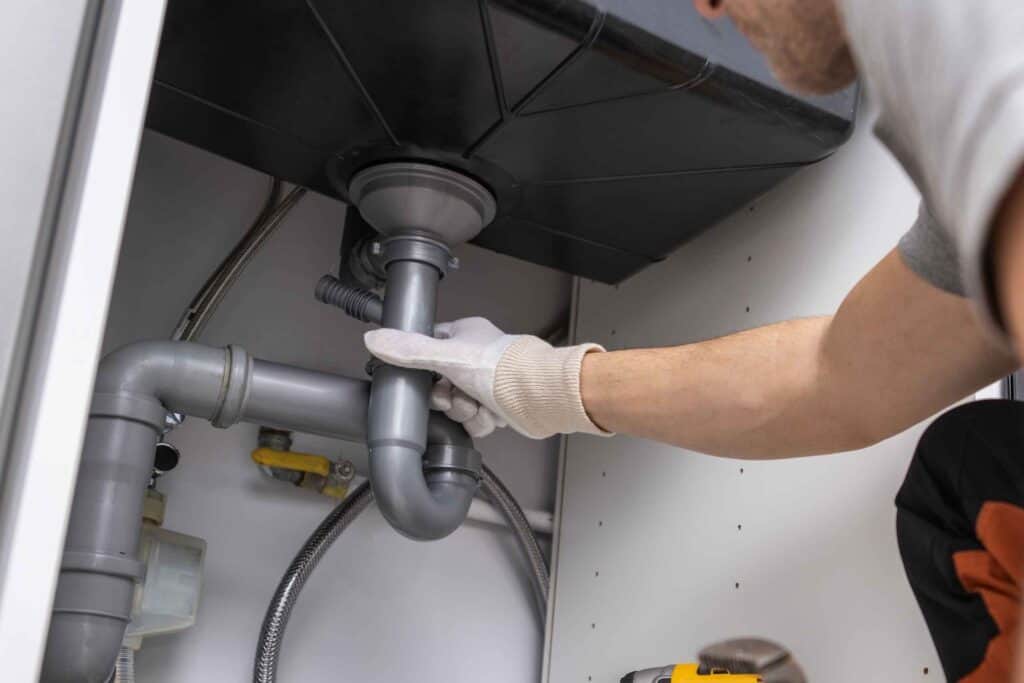
Drainage problems rarely begin with a dramatic backup or completely blocked pipe. More often, the first warning is a subtle change in how quickly water disappears from a sink, shower, floor drain, or other fixture. Recognizing these early signs can help homeowners and business owners address developing restrictions before they become disruptive emergencies. Professional Drain Cleaning Services can remove accumulated debris and help determine whether a recurring problem has a deeper cause. Routine attention to drainage systems can also support better plumbing performance and reduce the likelihood of unexpected blockages.
Why Routine Drain Cleaning Matters
Every drainage system collects some level of residue over time, even when it appears to be working normally. Kitchen pipes can accumulate grease, oils, food particles, and soap residue, while bathroom drains commonly collect hair, personal-care products, and mineral deposits. Commercial systems may experience additional buildup because they handle higher volumes of wastewater and may serve many fixtures throughout a property. When these materials accumulate, they gradually reduce the available space inside the pipe and slow wastewater movement. Regular maintenance can help identify and address these restrictions before they develop into major blockages.
Routine cleaning should not necessarily mean cleaning every drain on a fixed schedule regardless of its condition. The appropriate frequency depends on the age of the plumbing, the property’s usage, the type of drainage system, and its history of blockages. A household with recurring kitchen restrictions may need more frequent attention than a property with consistently clear drains. Businesses with high wastewater volumes may also require a planned maintenance program. A qualified plumber can evaluate the system and recommend a practical schedule based on actual conditions.
Slow Drains Are an Early Warning Sign
One of the most common indicators that a drain needs attention is water draining more slowly than usual. A sink that once emptied quickly but now takes several minutes may have developing buildup inside the trap or connecting pipe. Showers and bathtubs can become slow because of hair, soap residue, and other materials that accumulate around the drain opening or farther inside the line. While a slow drain may not seem urgent, repeated slowing can indicate that the available passage is becoming increasingly restricted. Addressing the issue early may be easier than waiting for a complete blockage.
The location of the slow drain can provide useful information about the potential cause. If one fixture is affected while everything else works normally, the restriction may be close to that fixture. When several fixtures begin draining slowly around the same time, the problem could involve a shared branch line or a larger drainage connection. A professional can compare these symptoms and determine whether routine cleaning is sufficient. If multiple areas are affected, further inspection may be necessary to rule out a more significant drainage problem.
Recurring Clogs Should Not Be Ignored
A drain that repeatedly becomes clogged despite regular plunging or cleaning deserves closer attention. Temporary clearing may restore water flow, but the same blockage can return if substantial material remains inside the pipe. Recurring clogs can also result from poor drainage conditions, damaged piping, mineral scale, root intrusion, or another underlying issue. Repeatedly treating the symptom without investigating the cause can lead to unnecessary maintenance expenses. Professional Drain Cleaning Services can assess the line and determine whether a thorough cleaning or additional diagnostic work is appropriate.
The type of recurring blockage can also provide clues about what is happening inside the plumbing system. Kitchen clogs that return frequently may involve grease and food residue, while bathroom blockages may be related to hair and soap buildup. If several fixtures repeatedly back up, the issue may be farther downstream and could involve a larger drainage or sewer line. Professional assessment can help distinguish a localized fixture problem from a system-wide restriction. This distinction is important because the appropriate cleaning equipment and repair strategy may differ significantly.
Gurgling Sounds Can Reveal Drainage Problems
Unusual gurgling noises from sinks, toilets, or drains can indicate that air and wastewater are not moving normally through the plumbing system. These sounds may occur when water encounters a partial blockage or when airflow within the drainage system is disrupted. While occasional noises can have harmless explanations, persistent or increasingly frequent gurgling should not be dismissed. If gurgling occurs alongside slow drainage or unpleasant odors, it may be a stronger indication of a developing problem. Professional evaluation can determine whether cleaning or additional investigation is needed.
Toilets that gurgle when another fixture is running can also provide useful information about the condition of a shared drainage line. In some cases, this pattern can indicate that wastewater is encountering resistance farther down the system. Continuing to use multiple fixtures without investigating the cause may increase the risk of a more serious backup. A plumber can assess the drainage pattern and determine whether the problem is localized or connected to a larger line. Early attention may prevent a minor restriction from becoming a disruptive plumbing failure.
Unpleasant Odors Should Be Investigated
Persistent odors coming from drains are another warning sign that should receive attention. Organic material, grease, sludge, stagnant water, or buildup inside a drainage line can contribute to unpleasant smells. In some situations, an odor may also indicate a problem with a trap, venting system, or sewer connection rather than simple debris accumulation. Covering the smell with household products does not necessarily address its source. Professional inspection can determine whether routine drain cleaning or another plumbing service is required.
Sewer-related odors deserve particular attention because they may indicate a problem beyond an individual fixture. If multiple drains produce strong odors at the same time, the issue could involve a shared drainage line or ventilation problem. Property owners should not assume that the smell will disappear on its own, especially when other symptoms are present. A qualified technician can inspect the plumbing and determine whether the drainage system is functioning properly. Addressing the underlying condition can improve both plumbing performance and the overall comfort of the property.
Water Backups Mean the Problem Has Progressed
Water backing up into a sink, bathtub, floor drain, or other fixture is a stronger warning sign that the drainage system has become significantly restricted. A backup means wastewater is unable to move through the system as it should, creating the possibility of standing water and property damage. If wastewater appears in more than one fixture, the restriction may be located in a shared line rather than at a single drain. Property owners should reduce water usage until the problem is assessed. Professional service can determine the location and severity of the obstruction and recommend an appropriate solution.
Sewage backups require additional caution because the water may contain contaminants. Homeowners and employees should avoid unnecessary contact with wastewater and keep children, pets, or customers away from affected areas. Professional plumbing technicians can identify whether the problem involves a blocked drain, main sewer line, or another drainage failure. If structural damage is discovered, cleaning alone may not be sufficient. The appropriate response may involve specialized cleaning, repair, or replacement depending on the condition of the system.
When Sewer Line Repair May Be Necessary
Routine drain cleaning is useful for removing suitable buildup, but it cannot correct every drainage problem. If a sewer camera inspection reveals cracked, collapsed, severely deteriorated, or displaced piping, the property may require Sewer Line Repair rather than repeated cleaning. Tree root intrusion can also affect underground sewer lines and may return after temporary removal if the underlying pipe remains compromised. Other warning signs include repeated backups, unexplained wet areas in the yard, sewage odors outside, or persistent drainage problems affecting several fixtures. These symptoms warrant professional evaluation of the larger sewer system.
Sewer Line Repair decisions should be based on evidence from the condition and location of the damaged pipe. Depending on the circumstances, repair methods can vary from localized work to more extensive replacement. A professional may use camera inspection and locating equipment to understand the problem before recommending invasive work. This diagnostic process can help prevent unnecessary excavation and provide property owners with clearer information about their options. Addressing a damaged sewer line can also reduce the likelihood of repeated blockages and more serious wastewater problems.
Signs That Your Business Needs Routine Drain Maintenance
Businesses often have different drainage demands from residential properties, particularly when many people use the same fixtures throughout the day. Restaurants, hotels, offices, retail locations, healthcare facilities, and multi-unit buildings may experience high wastewater volumes and recurring buildup. A single blockage can interrupt restrooms, kitchens, customer areas, or essential operations. Signs such as slow floor drains, recurring backups, unpleasant odors, or frequent fixture clogs should be investigated rather than treated as normal wear. Planned maintenance can help businesses address drainage problems before they interfere with daily operations.
Commercial property owners should also consider the financial consequences of unexpected drainage failures. A serious blockage can affect employees, customers, inventory, equipment, and business schedules while emergency repairs are arranged. Routine professional cleaning may provide a more predictable approach to managing drainage infrastructure. A plumber can review the property’s usage patterns and maintenance history to recommend an appropriate service frequency. Preventive planning can help businesses reduce avoidable disruptions while keeping their plumbing systems functioning more reliably.
Choosing Professional Drain Cleaning Services
When selecting a plumbing provider, homeowners and businesses should look for appropriate licensing, insurance, experience, equipment, and a reputation for clear communication. A reputable company should investigate the problem and explain why a particular cleaning method is recommended. Mechanical drain cleaning, hydro-jetting, camera inspection, or another approach may be appropriate depending on the condition of the system. Property owners should also ask whether diagnostic work or additional repairs involve separate charges. Transparent communication makes it easier to understand the service and make an informed decision.
Professional drain cleaning should focus on solving the underlying problem rather than simply producing temporary water flow. If a blockage repeatedly returns, the technician should consider whether pipe deterioration, root intrusion, poor drainage, or another condition is contributing to the problem. Camera inspection can be particularly helpful when the cause is unclear or when several fixtures are affected. If structural damage is found, Sewer Line Repair may be more appropriate than repeated cleaning. A qualified professional can explain the findings and recommend a solution based on the actual condition of the plumbing.
Preventing Future Drain Problems
Property owners can reduce the amount of buildup entering drainage systems through simple everyday habits. Kitchen users should avoid pouring grease, cooking oils, coffee grounds, and large food particles into sinks. Bathroom users can use appropriate screens or strainers to catch hair and larger debris before it enters the plumbing. Regularly cleaning accessible drain components can also help reduce residue around fixtures. These habits will not eliminate every plumbing problem, but they can reduce unnecessary buildup and support better drainage performance.
It is equally important to respond to early warning signs instead of waiting for a complete blockage. A slow drain, recurring clog, unusual odor, or gurgling sound can provide an opportunity to investigate the plumbing before a major failure occurs. Properties with older plumbing or a history of recurring blockages may benefit from periodic professional inspections. A qualified plumber can recommend maintenance based on actual usage, pipe condition, and previous service history. Preventive care is generally easier to schedule and manage than an unexpected drainage emergency.
Conclusion
Routine drain maintenance is not simply about clearing an occasional clogged sink; it is about recognizing early warning signs and protecting the larger plumbing system. Slow drainage, recurring clogs, gurgling sounds, persistent odors, and backups can all indicate that professional attention is needed. Drain Cleaning Services can remove suitable buildup while also helping identify conditions that may require more extensive investigation. When damaged or deteriorated sewer piping is discovered, Sewer Line Repair may be necessary to provide a lasting solution. By paying attention to drainage changes and scheduling professional maintenance when appropriate, homeowners and businesses can reduce disruptions, protect their property, and keep their plumbing systems operating efficiently.