

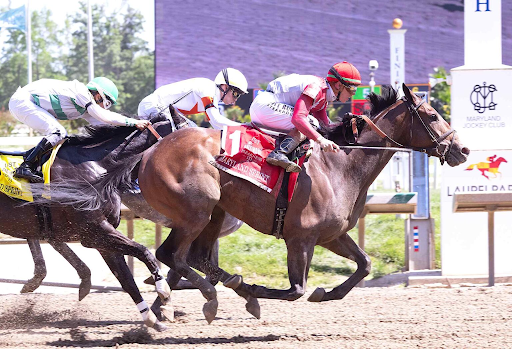
Spanning vast acres of lush, well-maintained land, Nestled on the outskirts of Pune, Manjri stud farm is one of India’s most celebrated and historically significant thoroughbred breeding establishments. This iconic facility has played a pivotal role in shaping the landscape of Indian horse racing for well over a century. Its rich heritage, disciplined breeding programmes, and commitment to excellence have earned it a revered place in the hearts of racing enthusiasts across the subcontinent and beyond.
A Glimpse Into Its History
The origins of this extraordinary establishment date back to the late 19th century, making it one of the oldest stud farms in Asia. It was founded during the British colonial era, a period when horse racing was considered the sport of kings and enjoyed tremendous patronage from both the British administration and Indian royalty alike.
Over the decades, the farm evolved from a modest breeding operation into a world-class facility producing thoroughbreds capable of competing at the highest levels. Its bloodlines have contributed to some of the most celebrated racehorses in Indian racing history, and its legacy continues to inspire breeders, trainers, and racing professionals to this day.
Breeding Excellence and Stallion Programme
One of the most distinguishing features of Manjri Stud Farm is its meticulously curated stallion programme. The farm has historically stood some outstanding sires whose progeny have gone on to win prestigious races across India’s leading racecourses, including those in Mumbai, Bangalore, and Hyderabad.
The breeding philosophy here is rooted in a careful balance of pedigree, conformation, and temperament. Each pairing is evaluated with precision to ensure that desirable traits are passed down through generations. The farm employs experienced stud managers, veterinary professionals, and stable hands who work tirelessly to maintain the health and performance potential of every horse bred on the premises.
World-Class Infrastructure and Facilities
The infrastructure at this stud farm reflects a deep commitment to animal welfare and breeding science. Expansive paddocks allow mares and foals to roam freely in a natural environment, promoting both physical development and psychological wellbeing. State-of-the-art veterinary facilities ensure that every horse receives the highest standard of care from birth.
Foaling units are equipped with round-the-clock monitoring to ensure safe deliveries, while dedicated facilities for covering mares meet international breeding standards. The farm also maintains comprehensive record-keeping systems that track bloodlines, health histories, and performance data for every horse bred on site.
Contribution to Indian Horse Racing
The contribution of Manjri stud farm to Indian horse racing cannot be overstated. Countless Classic winners, Group race performers, and top-rated horses have emerged from its carefully managed breeding programme. The farm has consistently supplied the Indian racing circuit with quality thoroughbreds capable of holding their own against imported competition.
It has also played a significant role in the development of indigenous breeding, reducing India’s dependence on imported bloodstock and helping establish a more self-sufficient racing industry. This commitment to nurturing homegrown talent has been one of its most enduring contributions.
Why Does It Remains a Benchmark in Indian Breeding?
Decades may have passed since its founding, but the stud farm continues to set the standard for breeding operations across the country. Its combination of tradition, expertise, and modern science makes it a model for aspiring breeders and an institution that commands deep respect within the racing fraternity.
Conclusion
Its legacy is written in the hoofbeats of champions who have graced racecourses across India. For those keen to explore the broader world of Indian thoroughbred breeding, understanding establishments such as Poonawalla stud farm also offers fascinating insight into how a handful of pioneering institutions have collectively elevated the standard of horse racing on the subcontinent.
