

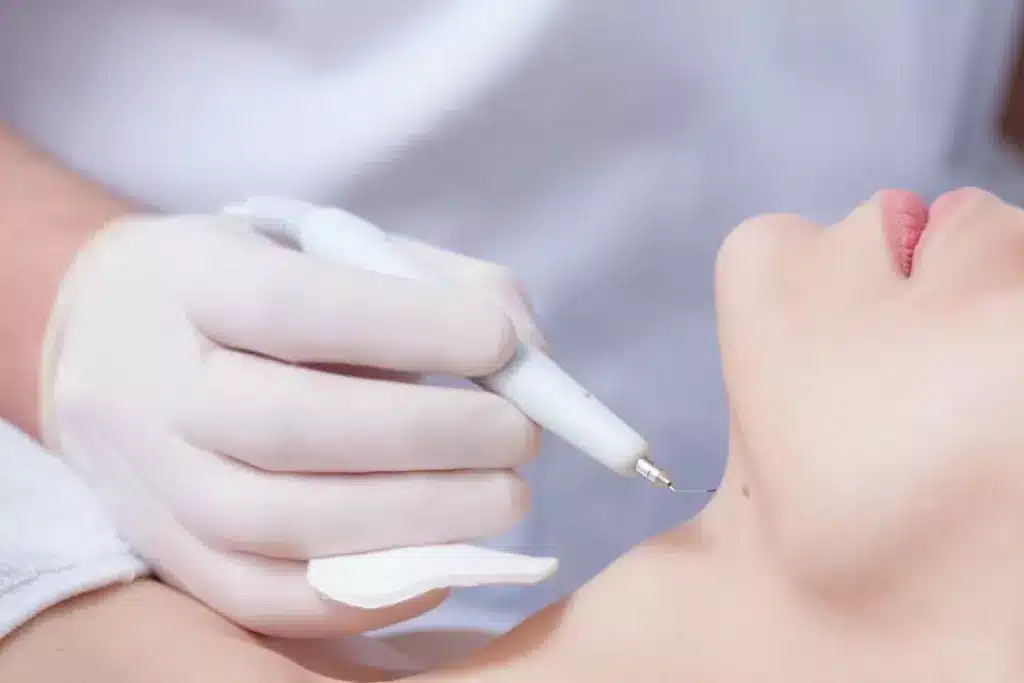
The journey to clear skin doesn’t end the moment you leave the specialist’s office. While modern procedures are highly efficient, the biological process of skin regeneration requires patience and proper care. If you are considering or have recently undergone a Warts Removal Treatment in Abu Dhabi, understanding the recovery roadmap is essential for managing expectations and ensuring the best aesthetic results. Recovery is generally swift, but the specific timeline is influenced by the technique used, the depth of the lesion, and your body’s natural healing speed.
Understanding the Immediate Post-Treatment Phase
The first 24 to 48 hours are the most critical for setting the stage for a smooth recovery. During this time, the treated area begins its inflammatory response, which is a natural signal that the body is repairing the tissue.
- The immune system sends white blood cells to the site to prevent any external interference.
- Minor swelling or redness is a standard sign of the healing cascade beginning.
- Keeping the area protected from friction and contaminants is the primary goal during these initial hours.
The Recovery Roadmap by Treatment Method
The speed of your recovery is largely dictated by how the wart was addressed. Different modalities interact with the skin layers in unique ways, leading to varying healing milestones.
Cryotherapy Healing Milestones
Cryotherapy involves using extreme cold to freeze the wart tissue. This method typically creates a small blister under the wart, which acts as a natural bandage.
- Days 1-3: A blister forms as the frozen cells die off.
- Days 4-7: The blister begins to flatten and darken into a scab.
- Week 2: The scab naturally detaches, revealing fresh, pink skin underneath.
- Cryotherapy is often favored for its relatively short downtime and minimal disruption to daily routines.
Laser and Electrosurgery Recovery
Laser treatments and electrosurgery use focused energy to remove the wart. These methods are precise and often used for deeper or more stubborn lesions.
- Immediate: A small, shallow wound or “crater” may be visible where the wart was located.
- Week 1: A dry crust or scab forms over the site to protect the underlying dermis.
- Week 2-3: The scab falls off as the skin layers regenerate from the bottom up.
- These methods provide a very controlled recovery environment, though the site may require a bandage for a few extra days compared to freezing.
Surgical Excision Timeline
In cases where a wart is surgically removed, the recovery involves the healing of a small incision.
- Week 1: Focus is on keeping the sutures (if any) clean and dry.
- Week 2: Sutures are typically removed, and the skin edges begin to strengthen.
- Month 1: The area continues to mature, and any initial pinkness begins to fade into your natural skin tone.
- While this takes slightly longer, it is often a definitive solution for complex cases.
Factors That Influence Healing Speed
Not every recovery follows the exact same calendar. Several biological and environmental factors play a role in how quickly your skin returns to its normal state.
The Location of the Wart
The site of the treatment significantly impacts how fast you can return to full activity.
- Warts on the face or neck tend to heal faster due to the high density of blood vessels in those areas.
- Plantar warts (on the soles of the feet) may take longer because the skin is thicker and subject to constant pressure from walking.
- Protecting “high-traffic” areas like hands and feet is key to preventing delays in the recovery process.
Individual Health and Lifestyle
Your body’s internal environment is the engine of the healing process.
- Nutrition: A diet rich in Vitamin C, Zinc, and protein provides the building blocks for new collagen and skin cells.
- Hydration: Well-hydrated skin is more elastic and heals more efficiently than dry, brittle skin.
- Rest: The body does its most significant repair work during deep sleep, making recovery a great time to prioritize your sleep schedule.
Best Practices for a Smooth Recovery
While the body does the heavy lifting, your aftercare routine acts as the support system that ensures the process remains on track without setbacks.
Keeping the Site Clean and Protected
Hygiene is the cornerstone of post-treatment care. Ensuring the area remains free of irritants allows the skin to focus entirely on regeneration.
- Gently wash the area with mild, fragrance-free cleansers as recommended by your specialist.
- Avoid using harsh scrubs or exfoliants on the treated zone until it is fully healed.
- Pat the area dry softly rather than rubbing it with a towel.
The “Hands-Off” Policy
One of the most important rules of recovery is to let scabs fall off on their own.
- Picking at a scab can restart the healing clock and lead to an uneven skin texture.
- Natural shedding ensures that the new skin underneath is strong enough to be exposed to the environment.
- If the area feels itchy, using a specialized post-procedure ointment can provide relief without the need for scratching.
Sun Protection and Long-Term Care
Newly healed skin is particularly sensitive to ultraviolet (UV) rays.
- Protect the area with high-SPF sunscreen or physical barriers like clothing for several weeks.
- Sun protection prevents the new skin from darkening (hyperpigmentation) and keeps the tone even.
- Continuing to moisturize the area helps the new tissue remain supple and integrated with the surrounding skin.
When to Contact Your Specialist
Most people find the recovery process straightforward and manageable. However, staying in touch with your care provider ensures that any questions you have are answered promptly. Reference clinics like the Enfield Royal Clinic Abu Dhabi often provide detailed post-care instructions tailored to your specific treatment. Monitoring the site daily allows you to track your progress and celebrate the return of clear, healthy skin.
Frequently Asked Questions
Can I exercise immediately after wart removal?
For most treatments, light activity is fine. However, if the wart was on your foot or a joint, you may need to avoid high-impact exercise for 3 to 5 days to prevent the wound from opening or becoming irritated.
How do I know if the healing is progressing normally?
Normal healing involves the formation of a scab or blister, followed by the appearance of pinkish new skin. As long as the area is gradually becoming less sensitive and the skin is closing, your recovery is on the right track.
Is it normal for the area to look white or grey after treatment?
Yes, especially after cryotherapy or certain chemical treatments. This change in color indicates that the wart tissue has been successfully targeted and is beginning to break down.
When can I stop wearing a bandage?
You can usually stop wearing a bandage once a solid scab has formed and the area is no longer “weeping” or sensitive to the touch. For many, this happens within 3 to 7 days depending on the treatment depth.
